Will Insurance Pay for a New Roof in Florida?
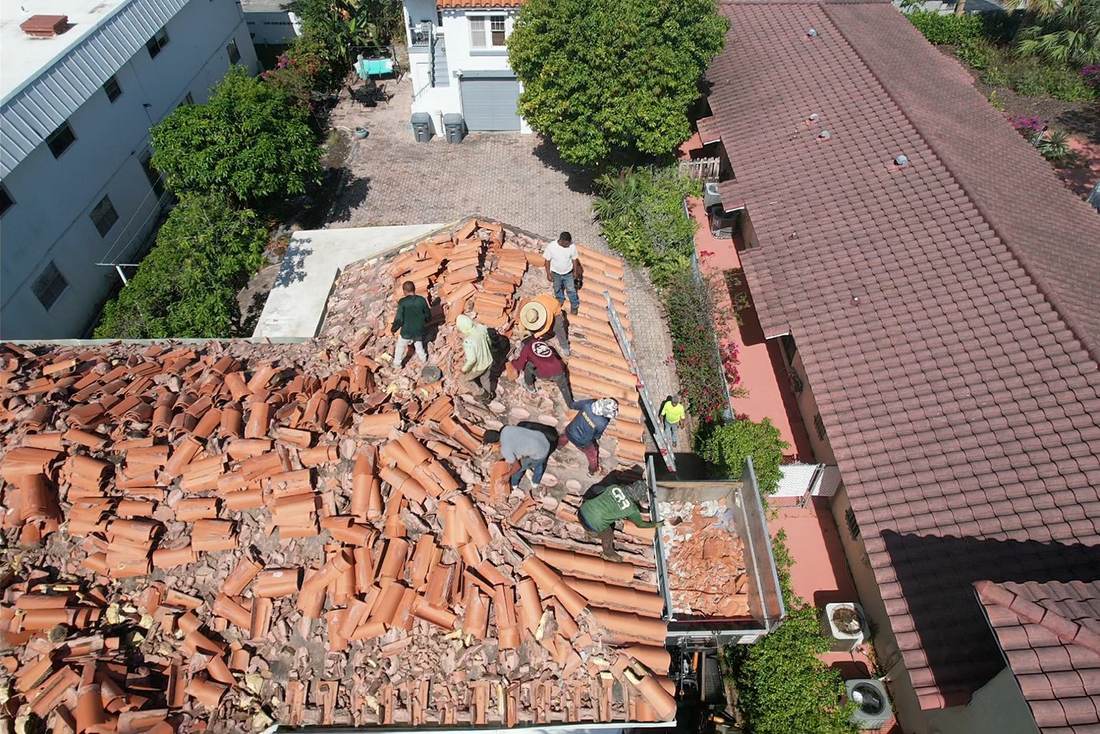
Sometimes. Florida homeowners insurance pays for roof damage from a sudden event, like hurricane wind or a fallen tree, minus your deductible. It does not pay to replace a roof that is simply old or worn out. Whether you get a repair or a full new roof depends on the damage, your policy and the code rules that apply.
What Insurance Covers and What It Doesn't
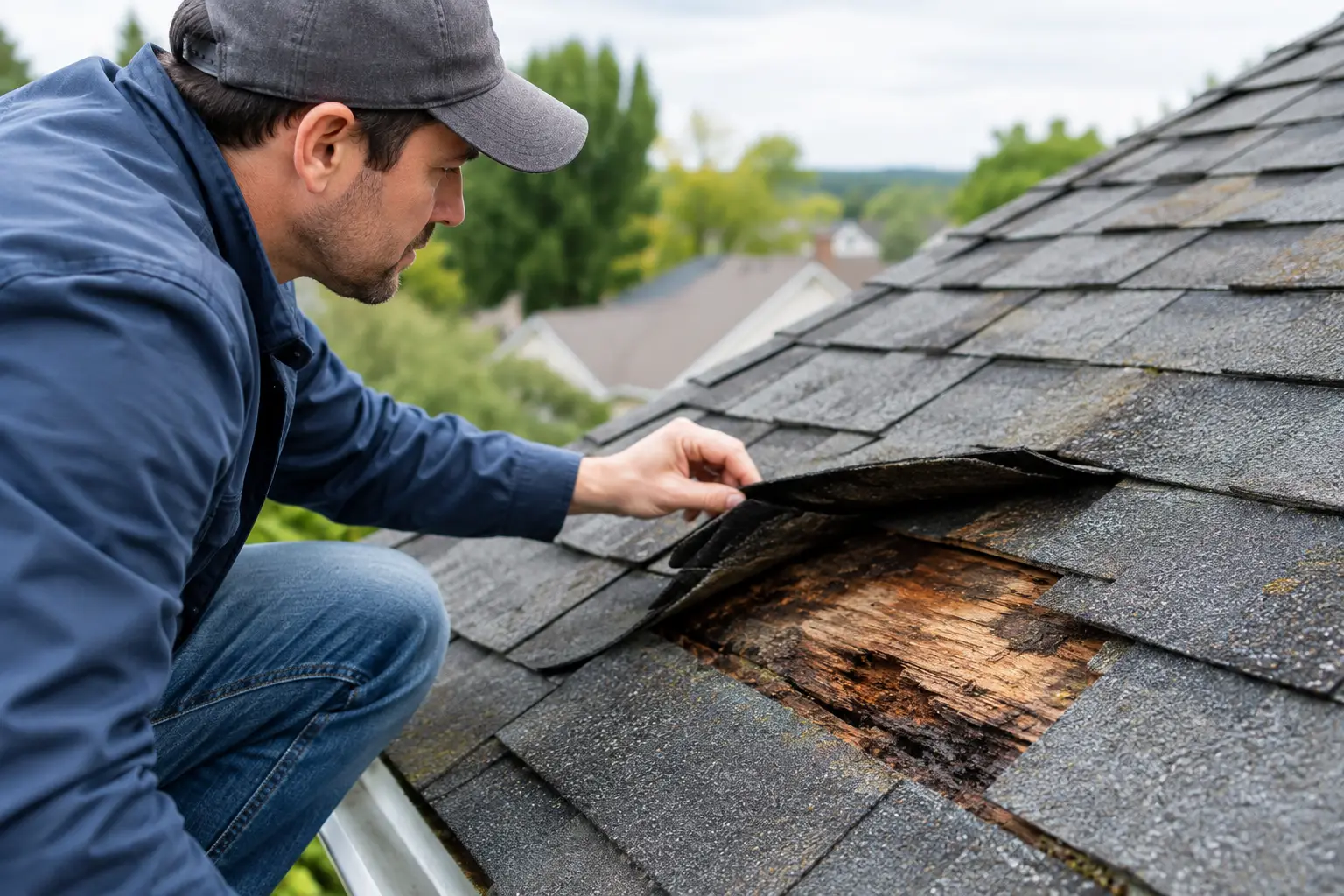
Homeowners insurance is built for sudden damage. Wind that peels off shingles, a hurricane that cracks and lifts tile, or a tree that falls through the roof are the kinds of losses a policy is meant to pay for.
It is not built to pay for age. A shingle roof that has baked in the South Florida sun for 25 years, or tile underlayment that has simply reached the end of its life, is wear and tear. Insurers don't pay to replace a roof just because it is worn out, even if it leaks.
That line between storm damage and old age is what the adjuster has to decide. We go deeper on it in what roof damage insurance covers for Florida homes.
- Usually covered: wind and hurricane damage, fallen trees, other sudden events named in your policy.
- Usually not covered: old age, gradual wear, long-term leaks from neglect, a roof that has reached the end of its life.
Your Deductible Comes First
Even when a claim is approved, you pay your deductible before the insurer pays anything. For hurricane damage, the deductible is usually a percentage of your dwelling coverage, not a flat dollar amount. That can be a much bigger number than homeowners expect.
Pull out your declarations page and find your hurricane deductible and your all-other-perils deductible before storm season. If the cost of the repair is close to your deductible, a claim may not make sense at all.
Florida Claim Deadlines Are Shorter Now
Florida tightened its claim deadlines under Florida Statutes 627.70132. For policies effective on or after December 16, 2022:
- A new claim must be reported within 1 year of the date of loss.
- A reopened claim must be filed within 1 year.
- A supplemental claim must be filed within 18 months.
Before that change, the deadlines were 2 years and 3 years. Many homeowners still go by the old numbers. Don't wait. If a storm hits and you think the roof was damaged, get it looked at and report it promptly.
This is general information, not legal advice, so confirm the details that apply to your home with your insurer or agent.
Repair or Full Replacement? The 25% Rule Matters
If the damage is limited to part of the roof, the insurer may only pay to repair that part. Whether a partial repair can be done at all depends on Florida's building code.
Under the old rule, if 25% or more of a roof section was repaired or replaced within 12 months, the whole section had to be brought up to current code, which often meant a full replacement. Since 2022, under Florida Statutes 553.844(5), roofs built, repaired or replaced under the 2007 Florida Building Code or later only need the repaired portion brought up to current code. Roofs permitted before the 2007 Florida Building Code took effect (March 1, 2009) can still fall under the 25% requirement. Your permit date tells you which code applied.
So the age of your roof can affect whether a claim ends in a patch or a new roof. Read the full breakdown in what Florida's 25% roof rule means.
How to Handle a Roof Claim
- Stay safe. Don't climb on a wet or damaged roof.
- Document everything. Take dated photos of the roof, ceilings, attic and anything inside that got wet.
- Limit further damage if you can do it safely, such as covering an opening with a tarp. Ask your insurer what temporary repairs they expect and keep every receipt.
- Get a licensed roofer to inspect. You want a written report of what was damaged and what it will take to fix it to code.
- Report the claim within the deadline and keep notes of every call and email.
- Give the adjuster a copy of your roofer's written inspection report.
Be careful who you let on the roof after a storm. Door-to-door storm chasers show up fast. Florida law limits contractor solicitation tied to insurance claims, including offering rebates or gifts for filing a claim. Check any roofer's license at myfloridalicense.com before you sign anything.
If Insurance Won't Pay
If your roof is simply old, or the claim is denied, you're back to a normal repair-or-replace decision. Sometimes a targeted repair buys real time. Sometimes it's throwing money at a roof that's done. Our guide to roof repair versus replacement walks through how to decide.
At 1 OAK we do free inspections and give a written quote either way, whether insurance is involved or not. For homeowners paying out of pocket, we offer financing: $0-down financing with up to 2 years before the first payment. Subject to approval; terms may vary.
If you want a ballpark number first, our instant online roof quote measures your roof from satellite imagery in a few minutes.
Frequently asked questions
Does homeowners insurance cover a leaking roof in Florida?
It depends on why it's leaking. A leak caused by sudden damage, like wind lifting shingles in a storm, is usually covered. A leak from old age or long-term wear usually isn't. Check your own policy for the exact wording.
How long do I have to file a roof claim in Florida?
For policies effective on or after December 16, 2022, a new claim must be reported within 1 year of the date of loss. Reopened claims have 1 year and supplemental claims have 18 months. Older policies may have different terms, so ask your agent.
Can a roofer offer me something for filing an insurance claim?
Florida law limits contractor solicitation tied to insurance claims, including offering rebates or gifts for filing a claim. Treat any offer like that as a red flag. A good roofer inspects, documents the damage and lets the claim stand on the facts.
Can my insurer refuse to renew because my roof is old?
Florida law says an insurer can't refuse to issue or renew a policy solely because a roof is less than 15 years old. Roofs 15 or older have an inspection option. See our post on how old a roof can be for insurance in Florida. For a roof 15 or older, you can get an inspection at your expense, and if it shows 5 or more years of useful life, the insurer can't refuse solely because of age.