What Roof Damage Insurance Covers for Florida Homes
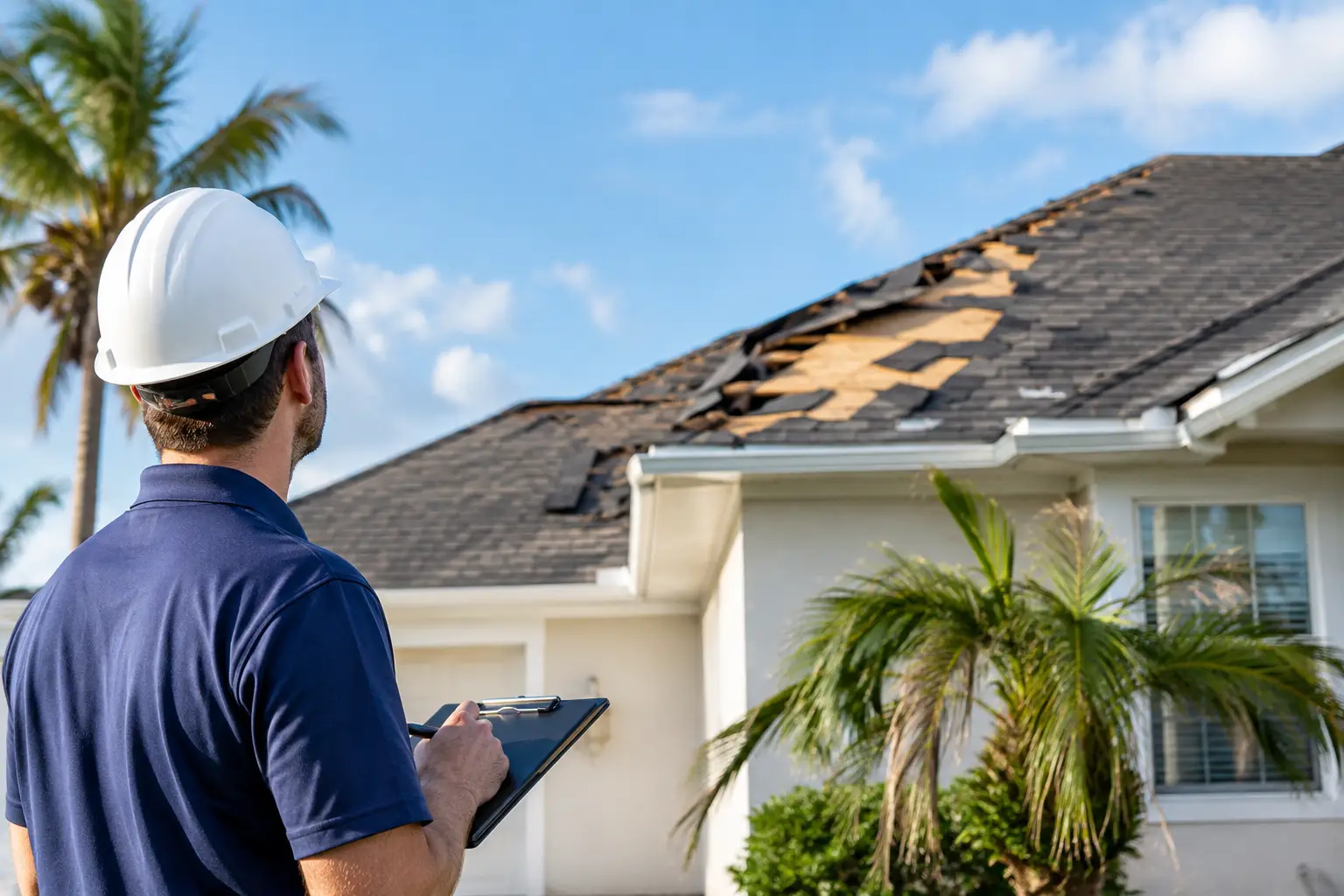
A Palm Beach County storm can turn a sound-looking roof into a source of leaks in one afternoon. Knowing what roof damage insurance covers helps you act quickly, document the right details, and avoid assuming that every roofing problem will be paid for.
Most homeowners insurance policies are designed to cover sudden, accidental damage from a covered event. The key words are sudden, accidental, and covered. A policy is not a roof maintenance plan, and the condition of your roof before the storm can affect the outcome of a claim.
What Roof Damage Insurance Covers After a Florida Storm
When a covered event damages your roof, insurance may pay to repair or replace the affected roofing system, less your deductible and subject to your policy limits. In South Florida, the most common claims involve wind, wind-driven debris, hail, fallen trees, and damage caused by severe thunderstorms or hurricanes.
For example, if high winds lift shingles, crack tiles, bend metal panels, or tear flashing away from the roof, that is the type of sudden storm damage a homeowners policy may cover. If a tree limb falls and punctures the roof, the policy may also cover the opening and related repairs. The same can be true when storm damage allows rainwater into the home and damages ceilings, insulation, walls, flooring, or personal belongings.
Coverage is not limited to the visible roof surface. A thorough claim may include necessary work on flashing, underlayment, vents, gutters, soffits, fascia, and interior areas affected by a roof leak. The exact scope depends on the policy, the documented damage, and whether each item was caused by the covered event.
Wind and hurricane damage
Wind is a major concern for homeowners in Boynton Beach and throughout coastal Palm Beach County. Standard homeowners policies commonly include windstorm coverage, but hurricane losses often come with a separate hurricane deductible. That deductible can be significantly different from the deductible applied to an ordinary thunderstorm claim.
A hurricane deductible is frequently calculated as a percentage of the home’s insured value rather than a flat dollar amount. Review your declarations page before storm season so you understand what you would be responsible for if a named storm causes roof damage.
Wind-driven rain can be more complicated. Insurance may cover water damage when wind creates an opening in the roof or exterior that lets rain enter. If rain enters through an existing leak, worn sealant, or an opening that was already present before the storm, coverage may be limited or denied.
Falling objects and sudden impacts
A fallen tree, heavy branch, or airborne debris can cause obvious roof damage. Insurance generally considers this a covered sudden loss when the object falls because of a covered event. The policy may pay for roof repairs and resulting interior damage, but tree removal coverage can have separate limits.
If a neighbor’s tree falls on your home, contact your insurer promptly. Responsibility is not always determined by whose yard the tree came from. Your own policy often responds first for damage to your home, while fault may matter only in specific circumstances.
Fire, lightning, and accidental events
Homeowners insurance typically covers roof damage from fire and lightning. Lightning can crack tile, damage electrical components near roof penetrations, or start a fire. Smoke and water damage from firefighting efforts may also be part of the claim.
Sudden accidents, such as an object striking the roof, may be covered as well. Every policy is different, so the insurer will review the cause of loss, the age and condition of the roof, and the scope of damage before making a decision.
What Roof Damage Insurance Usually Does Not Cover
The reason behind the damage matters as much as the damage itself. Insurance is intended for unexpected losses, not gradual deterioration. A roof that has reached the end of its useful life may need replacement, but age alone is not an insured event.
Policies commonly exclude or limit damage related to normal wear, poor maintenance, rot, corrosion, mold, pests, defective workmanship, and long-term leaks. A cracked tile that has allowed water in for months is different from a tile cracked by a documented storm.
Insurance also may not pay to replace an entire roof when only a small, repairable area was damaged. Some policies include provisions that affect matching materials, especially when older shingles or tiles are no longer available. Your policy language and local building requirements can influence what is ultimately approved.
Flood damage is another separate issue. If rising water enters the home during a storm, homeowners insurance generally does not cover that loss under a standard policy. Flood insurance is typically required for flood-related claims.
Repair Cost, Depreciation, and Your Roof Policy
Two homeowners can have similar roof damage and receive very different claim payments because their policies are structured differently. The most common distinction is between replacement cost value and actual cash value.
Replacement cost coverage is designed to pay the cost to repair or replace covered damage with comparable materials, subject to deductibles, limits, and policy terms. Actual cash value coverage subtracts depreciation for the roof’s age and condition. On an older roof, that difference can be substantial.
Some insurers apply special roof endorsements that change how roof losses are settled, particularly for older roofs. Before filing a claim, read the roof-loss section of your policy or ask your insurance representative how your coverage works. Do not rely on a neighbor’s experience or assume that every Florida policy handles roof claims the same way.
What to Do When You Suspect Storm Damage
Safety comes first. Do not climb onto a wet, steep, or visibly damaged roof. From the ground, look for missing shingles or tiles, displaced flashing, loose debris, sagging areas, and water stains on ceilings. Inside, photograph any active leaks, bubbling paint, wet drywall, or damaged belongings.
Take clear photos and short videos as soon as conditions are safe. Include wide shots of the property and close-ups of the visible issue. Save storm alerts, receipts for emergency protection, and records of any temporary measures taken to prevent additional damage.
If water is entering, reasonable emergency mitigation is often necessary. Covering an exposed area with a tarp or collecting water to prevent further interior damage can help protect the home. Keep documentation of what was done and why. Avoid permanent repairs until the damage has been documented and your insurer has provided direction, unless immediate work is necessary to keep the property safe.
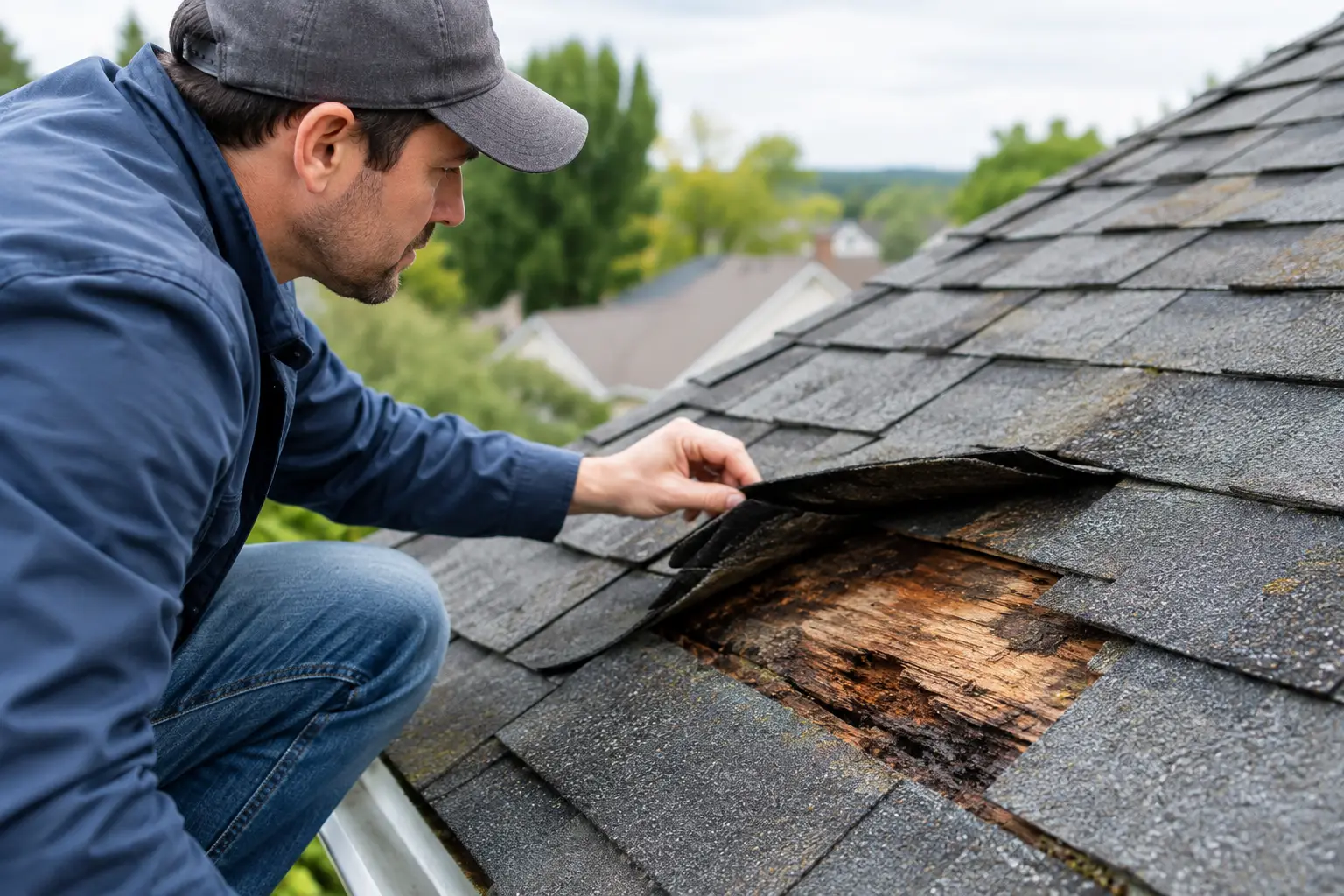
Then arrange a professional roof inspection. A qualified roofer can identify storm-related issues that are easy to miss from the ground, including lifted materials, compromised flashing, punctures, and damaged underlayment. A detailed inspection also separates fresh storm damage from older maintenance concerns, which gives you a clearer basis for deciding whether a claim makes sense.
Why a Professional Inspection Matters
Not every roof leak means a full replacement is needed, and not every storm requires an insurance claim. Filing a claim for a minor repair that falls below your deductible may not be practical. On the other hand, waiting after a major wind event can allow a small opening to become extensive water damage.
A professional inspection gives you an honest picture of the roof’s condition, the urgency of repairs, and the visible evidence of storm impact. At 1 OAK Home Improvement Inc., homeowners can request a clear assessment for tile, shingle, metal, and flat roofs, with recommendations focused on protecting the home rather than creating unnecessary work.
Questions to Ask Your Insurer
When speaking with your insurance company, ask whether the reported event is covered, which deductible applies, and whether your roof is settled at replacement cost or actual cash value. Ask how interior water damage, temporary protective measures, code-required upgrades, and material matching are handled under your specific policy.
It also helps to ask what documentation the insurer needs and when an adjuster will inspect the property. Keep a written record of claim numbers, dates, names, and conversations. Clear records reduce confusion when repairs move forward.
Your roof is your home’s first line of defense against Florida weather. After a storm, a prompt inspection and careful documentation can protect that investment, whether the right next step is a focused repair, a claim, or a planned roof replacement.