Roofing Contractor Checklist for Palm Beach Homes

A roof replacement is not a cosmetic update. For a South Florida homeowner, it is protection against wind-driven rain, intense sun, humidity, and the next storm season. This roofing contractor checklist helps you look beyond a quick estimate and choose a team prepared to protect your home, your timeline, and your peace of mind.
The right contractor should make a major project feel organized. They should answer questions clearly, explain what they find on your roof, and keep you informed from the first inspection through final cleanup. That level of care matters whether your home needs shingle, tile, metal, or flat roofing.
Roofing Contractor Checklist: Start With Credentials
A professional roofing company should be able to confirm its qualifications without hesitation. In Florida, roofing work requires the proper licensing, and your contractor should carry active insurance appropriate for the work being performed. Ask for current proof, then take the time to verify it independently.
This step protects more than the roof itself. It helps establish that the company is operating responsibly and has the credentials to handle a complex exterior project. A licensed, insured contractor also understands the local permitting process and the building requirements that apply in your municipality.
For homes in Boynton Beach and across Palm Beach County, permit expectations can vary by city and by the type of roof being installed. Your contractor should explain who will pull the required permits, what inspections may be required, and how the project will be coordinated around them. Vague answers here are a warning sign.
Look for a Thorough Roof Inspection
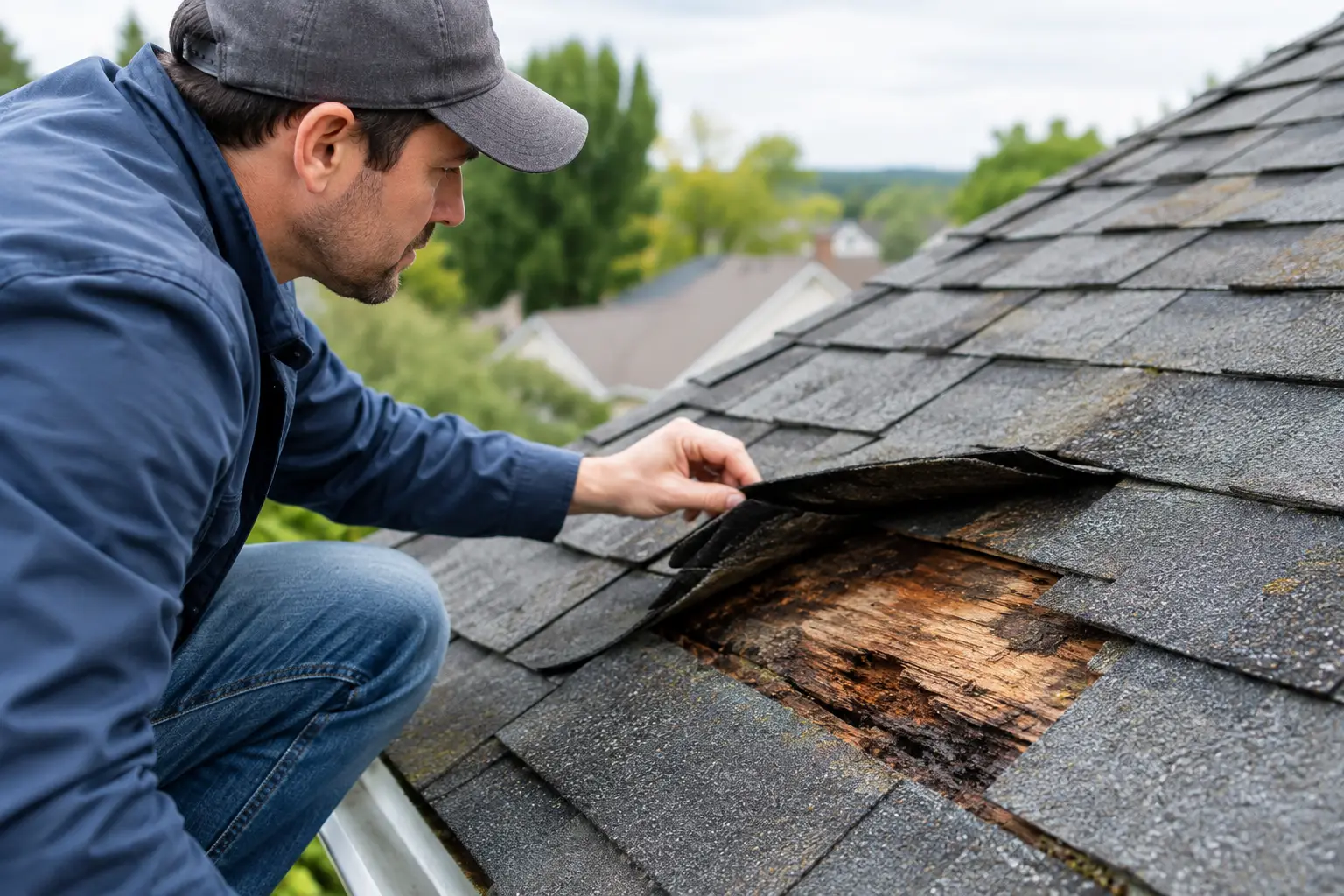
A trustworthy recommendation starts with a real inspection, not a guess from the driveway. The contractor should examine roof surfaces, flashing, penetrations, drainage areas, valleys, edges, and visible signs of water intrusion. They should also ask about leaks, storm damage, the roof's age, and any past repairs.
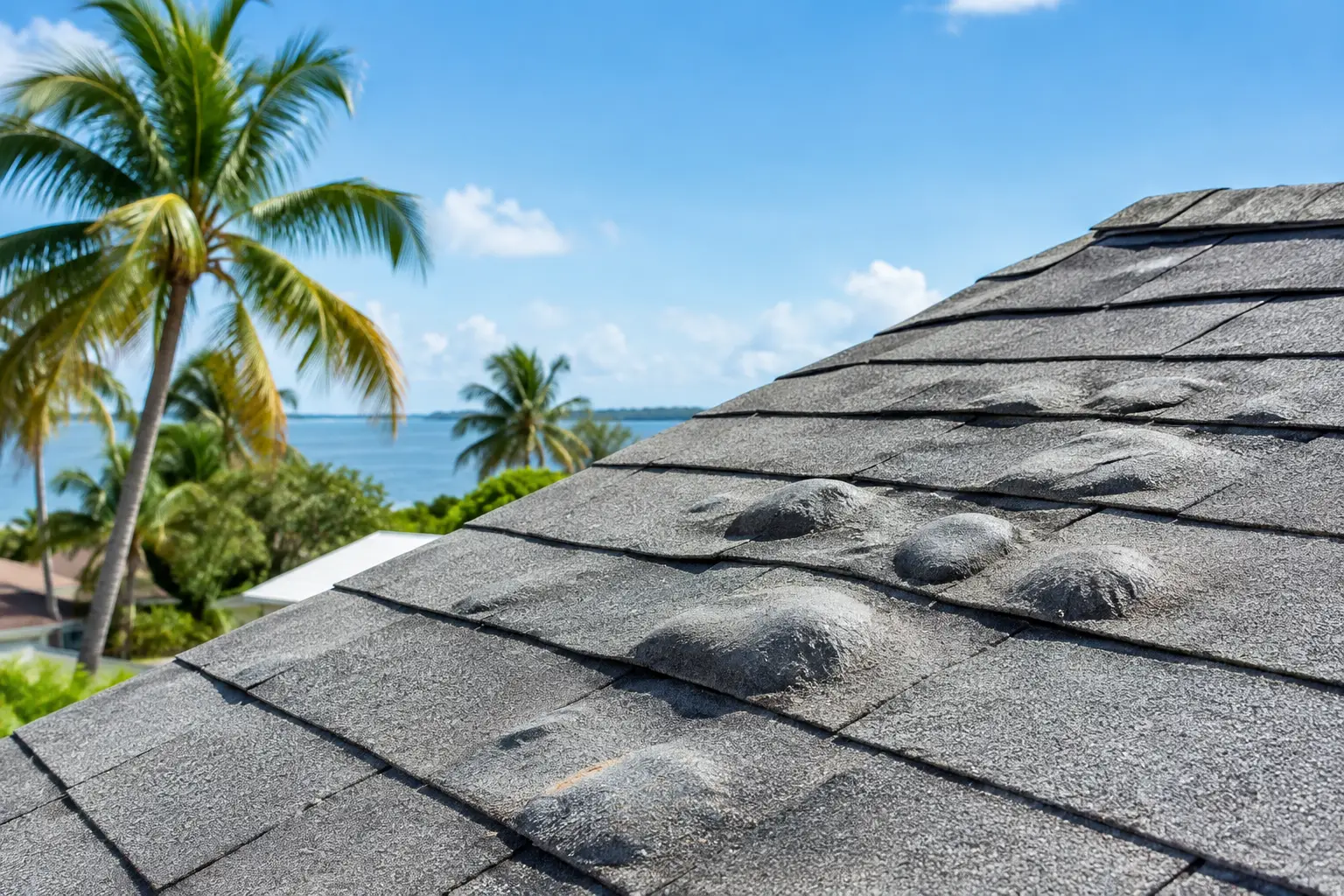
A roof can look acceptable from the ground while hiding issues around vents, skylights, chimneys, or transitions between roof sections. On flat roofs, ponding water and drainage details deserve close attention. On tile roofs, broken or displaced tiles may be only part of the issue if underlayment has reached the end of its service life.
Ask the contractor to explain their findings in plain language. You do not need a technical lecture, but you should understand what needs attention, why it matters, and whether repair or replacement is the more sensible path. Sometimes a targeted repair is appropriate. Other times, repeated repairs only delay a needed replacement and leave the home exposed.
Make Sure the Scope Is Specific
The proposed work should clearly describe what the crew will do. A strong scope identifies the roofing system, the areas included, and the work involved in removing existing materials, preparing the roof deck, installing underlayment, flashing, ventilation components where applicable, and finishing edges and penetrations.
Details are where roof performance is won or lost. Two homes may both receive a new shingle roof, yet the results can differ significantly based on deck preparation, flashing installation, fastening methods, drainage, and how carefully the crew handles transitions. The same is true for tile, metal, and flat roof systems.
Use this part of your roofing contractor checklist to compare clarity, not just broad promises. If one proposal simply says “new roof” while another explains the full system and the work sequence, the difference matters. A clear scope gives you a better picture of what will be installed on your home.
Ask Which Materials Fit Your Home and Location
There is no single best roofing material for every Palm Beach County property. The right choice depends on roof design, slope, drainage, architectural style, maintenance preferences, neighborhood requirements, and exposure to sun, salt air, or wind.
Shingle roofing can be a practical option for many homes because it offers a familiar appearance and broad style selection. Tile delivers a distinctive South Florida look and can be an excellent long-term choice, but the roof structure and underlayment details must be evaluated carefully. Metal roofing is valued for durability and clean lines, while flat roofing requires careful attention to water management and membrane installation.
Your contractor should discuss the trade-offs honestly. A material that looks ideal may not be the best match for a low-slope section, a complex roof layout, or a home close to the coast. Ask how the recommended system addresses wind resistance, heat, drainage, and maintenance. The answer should be tailored to your property rather than copied from a sales script.
Confirm How the Contractor Manages the Jobsite
Roofing is disruptive, but it should not feel chaotic. Before work begins, ask how the crew will protect landscaping, driveways, pool areas, outdoor furniture, and nearby structures. Find out how debris will be contained and removed, and how the team will use magnetic sweeping to collect loose nails from the property.
Communication is equally important. You should know who your point of contact will be, how schedule updates are shared, and what happens if weather affects the work. In South Florida, rain can change a roofing schedule quickly. A dependable contractor does not pretend weather is irrelevant. They plan around it, secure the home properly, and keep you informed.
A professional crew should arrive prepared, work with care, and leave the property clean at the end of the project. Precision. Punctuality. Professionalism. Those are not extras when your home is open to roofing work. They are the standard homeowners should expect.
Understand Warranties and Long-Term Support
A new roof can involve different types of warranty coverage, including coverage related to materials and the contractor's workmanship. Ask the roofer to explain what each warranty covers, how long coverage lasts, and what maintenance or documentation may be expected from the homeowner.
Do not assume all warranties provide the same protection. Material coverage and workmanship coverage serve different purposes. The key is having a contractor who installs the system according to manufacturer requirements and stands behind the quality of their work.
It is also reasonable to ask what happens after the project is complete. Will the contractor be available to answer questions? How are service concerns handled? A roof is a major investment in the home, and responsive support can matter just as much as a polished first meeting.
Watch for Communication Red Flags
Trust your instincts when a contractor avoids direct questions or pushes you to make a rushed decision. Roofing work involves many details, and homeowners deserve time to understand the recommendation. Clear communication is a sign of an organized company. Pressure, confusion, and changing explanations are not.
Be cautious if you encounter any of these issues:
- The company cannot provide current licensing or insurance information.
- The inspection is brief, with no explanation of the roof's condition.
- The scope of work is vague or leaves out key system components.
- Questions about permits, materials, cleanup, or warranties receive unclear answers.
- The contractor has no clear process for weather delays or jobsite protection.
A good contractor welcomes informed questions because an informed homeowner can make a better decision. You are not being difficult by asking for details. You are protecting your greatest investment.
Choose Confidence, Not Just Convenience
The best roofing decision is rarely based on one factor alone. Credentials, inspection quality, material knowledge, jobsite management, and follow-through all work together. A contractor who handles each part with care is more likely to deliver a roof built for Florida conditions.
At 1 OAK Home Improvement Inc., homeowners can expect straightforward guidance, quality workmanship, and attention to the details that protect a property long after the crew has left. When you are ready to discuss your roof, schedule a free estimate and bring this checklist with you. The right conversation should leave you feeling informed, respected, and confident about what comes next.