How to Spot Roof Rot Before It Damages Your Home
A roof leak does not always announce itself with a steady drip. In many Palm Beach County homes, water works quietly behind shingles, tile, underlayment, and decking until wood begins to soften. Knowing how to spot roof rot early can help protect your home from larger repairs, interior damage, and avoidable stress.
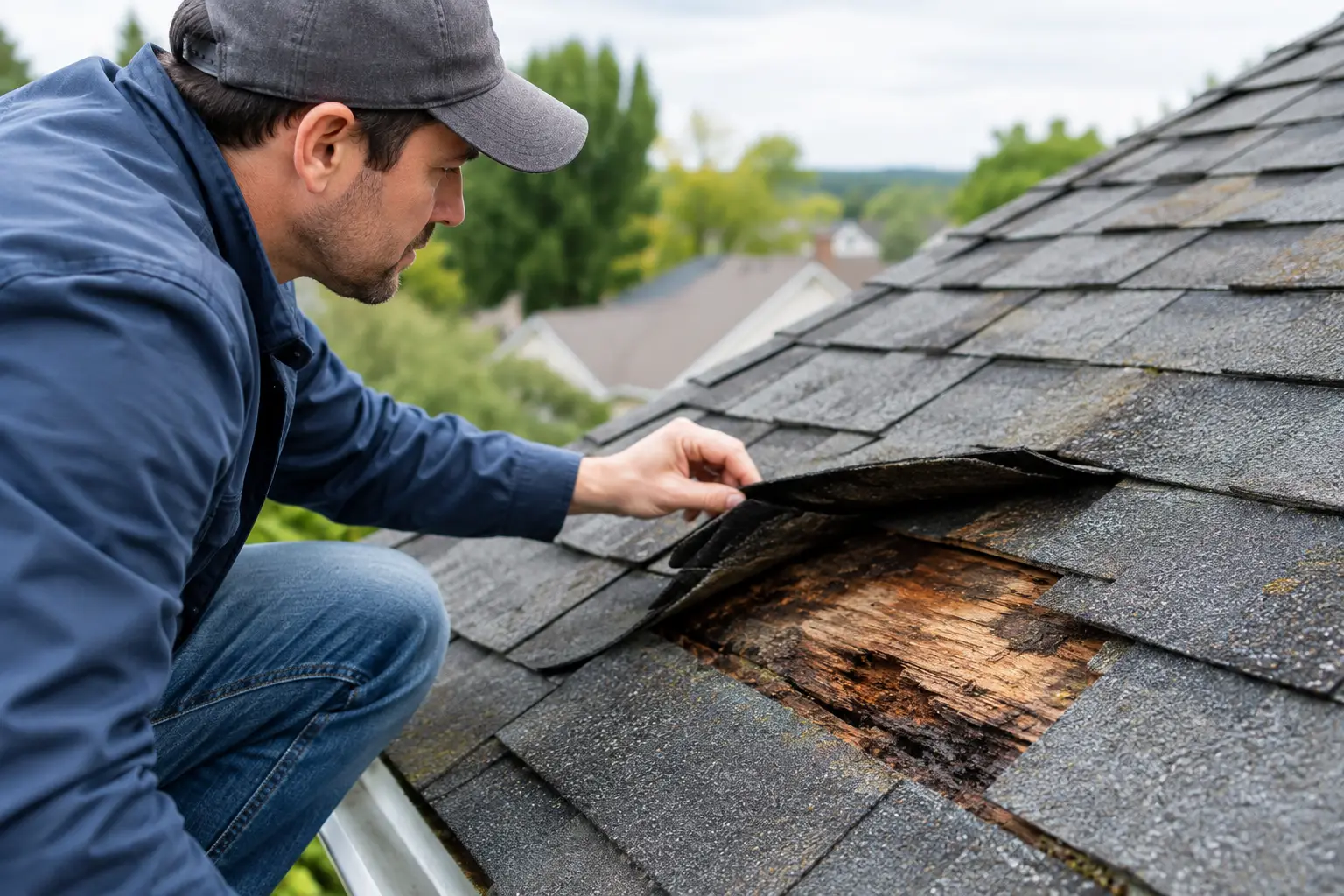
Roof rot is wood deterioration caused by repeated moisture exposure. It can affect roof decking, fascia boards, rafters, trusses, and the wood around vents or skylights. The roof may still look acceptable from the street while damage develops underneath, which is why early warning signs matter.
How to Spot Roof Rot From the Outside
Start with a visual check from the ground after heavy rain or a windy storm. You do not need to climb onto the roof to find every concern. In fact, walking on a tile roof or a roof with damaged materials can create more problems and put you at risk.
Look along the roofline for sagging areas, dips, or sections that appear uneven. A sag does not automatically mean rot, but it deserves professional attention because deteriorated decking or framing can lose its ability to hold a flat, consistent line.
Pay close attention to the fascia, the boards along the lower edge of the roof. Peeling paint, dark discoloration, cracked wood, or soft-looking sections can point to water getting behind the gutter area or roof edge. In South Florida, intense sun and driving rain can wear down these exposed areas quickly.
Damaged roofing materials can also create the opening that leads to rot. Missing shingles, lifted flashing, broken or displaced tiles, cracked sealant around penetrations, and loose metal edges allow water beneath the roof covering. The visible issue may be small, but water can travel before it reaches the wood below.
Other outdoor warning signs include:
- Dark streaking or persistent staining below roof edges
- Moss, algae, or vegetation collecting in places that stay damp
- Gutters pulling away from the fascia or showing signs of overflow
- Rusted flashing around vents, chimneys, skylights, or wall transitions
- Roof sections that look wavy rather than straight and supported
These signs do not confirm the full extent of rot. They do tell you that the roof should be inspected before another season of storms adds more moisture to the structure.
Check the Attic for Hidden Moisture Damage
The attic often gives the clearest view of a roof problem. Only enter if it is safe, there is stable flooring, and you can avoid stepping on insulation or drywall. Bring a flashlight and look from the access point first.
Watch for darkened roof decking, water stains, mildew-like spotting, or wood that looks swollen and uneven. Fresh moisture may appear as darker patches, while older leaks often leave yellow-brown rings or faded stains. A stain alone does not always mean active rot, but it is evidence that water has been there.
A musty odor is another signal. It can come from humid attic air, mold growth, or wet wood that has not had a chance to dry. South Florida attics can become extremely hot and humid, so ventilation matters. Still, poor ventilation and a roof leak can exist at the same time. A professional inspection can separate a moisture-control issue from a roof-entry issue.
If you can safely see exposed wood, look for cracking, flaking, crumbling, or a sponge-like appearance. Do not poke suspected weak decking from below. Soft wood can break unexpectedly, and a roofing contractor can assess it without putting you or the ceiling at risk.
Interior Clues That Should Not Be Ignored
Ceiling stains are one of the most recognized signs of a leak, but they often appear after water has already moved through the roof assembly. Look for yellow, brown, or gray spots on ceilings and upper walls, especially near exterior walls, bathrooms, skylights, and HVAC vents.
Bubbling paint, peeling drywall tape, warped trim, or a ceiling that feels soft are more urgent signs. If the ceiling is bulging, keep people away from the area. Water can collect above the drywall and create a collapse hazard.
Some homeowners notice a recurring stain after only certain storms. That pattern is useful information. Wind-driven rain can expose a weakness that does not leak during a light, straight-down shower. Take a photo, note the room and date, and share those details during a roof inspection.
Why Roof Rot Can Move Faster in South Florida
Roof rot needs moisture and time. Palm Beach County provides plenty of opportunities for both, from heavy summer rain and hurricane-season winds to humid air and intense sun that can age roofing materials. Salt air near the coast may also accelerate corrosion in metal components such as flashing and fasteners.
The challenge is that roofs are layered systems. Water may enter around a vent, valley, flashing detail, or damaged tile, then travel under the roof covering before wetting the decking in a different location. The spot on your ceiling is not always directly below the entry point.
Roof type also affects what an inspection looks for. Tile roofs can hide underlayment wear beneath otherwise sound tiles. Shingle roofs may show granule loss, curling, or lifted edges. Flat roofs require close attention to seams, drains, ponding water, and membrane condition. Metal roofs need properly sealed fasteners and flashing. The right repair depends on the material and the source of the moisture, not just the visible stain.
Do Not Confuse Rot With Every Roof Stain
Not every dark mark means structural damage. Surface algae, dirt, old staining from a repaired leak, and ordinary weathering can look concerning without indicating active wood rot. On the other hand, a clean-looking roof can still have compromised decking below.
That is why a qualified inspection matters. A licensed roofer can examine roofing materials, penetrations, flashing, drainage, attic conditions, and accessible wood components together. If rot is present, the inspection should identify its likely cause and whether the repair is limited to a small area or connected to broader roof wear.
Be cautious with quick cosmetic fixes. Painting over a water stain, adding caulk where it does not belong, or replacing only one visible material without addressing the water path can hide the symptom while moisture continues working underneath. Good roofing work begins with finding the source.
What to Do When You Suspect Roof Rot
Act promptly, but do not panic. If water is actively entering the home, place a container under the drip, move furniture and valuables, and photograph the affected area. If it is safe to do so, reduce interior damage with towels or plastic sheeting, but avoid opening ceilings or climbing onto the roof during wet or windy conditions.
Next, schedule a professional roof assessment. Ask for clear information about the condition of the roof covering, underlayment, decking, flashing, and any affected fascia or structural wood. A thorough contractor should explain what is urgent, what can be monitored, and what repair approach will correct the cause of the leak.
For a small, isolated issue caught early, repairs may involve replacing damaged wood and restoring the surrounding roofing system. When deterioration is widespread or the roof is near the end of its service life, a more comprehensive replacement may be the safer long-term decision. The right answer depends on the extent of damage, the roof type, and the condition of the surrounding materials.
Your home is one of your greatest investments, and a dependable roof protects everything beneath it. If you have noticed stains, sagging, damaged fascia, or a musty attic smell, 1 OAK Home Improvement can help you understand what is happening and what it will take to protect your home without the stress.