What Should You Do If Your Roof Leaks During a Storm?
Stay safe first. Never go on the roof during a storm, and keep water away from outlets, lights and electrical panels. Move valuables, catch dripping water with buckets and towels, and take photos and video. Once the storm passes, call a licensed roofer for a temporary fix and contact your insurer about the damage.
Safety comes first
A leak is stressful, but water damage can be fixed. Injuries are much harder to undo. Before you think about the roof, think about the people in the house.
- Never go on the roof during a storm. Wet roofs are slick, wind gusts can knock you off a ladder, and lightning is a real risk. Wait until the storm has fully passed, and even then, leave roof work to a professional.
- Watch for electrical hazards. If water is dripping near a light fixture, ceiling fan, outlet or your electrical panel, stay clear. If it's safe to reach the panel without standing in water, switch off the breaker for that area. If it isn't safe, leave it alone and call an electrician or your utility.
- Don't stand under a sagging ceiling. A bulging, water-filled ceiling can come down. Keep everyone out of that room.
- During a hurricane, follow official instructions. If you're told to evacuate or shelter in an interior room, do that. A leak isn't a reason to stay put.
Limit the water damage inside
Once everyone is safe, focus on keeping the water contained:
- Move what you can. Get furniture, electronics, rugs and papers out of the drip zone.
- Catch the water. Use buckets, pots or trash cans, with a towel in the bottom to cut down on splashing. Lay towels or a tarp on the floor around them.
- Stay away from a bulging ceiling. If a ceiling is sagging or bulging with water, keep everyone out of the room, turn off power to that area at the breaker if you can do it safely, and call a professional.
- Check the attic if you can do it safely. If you have easy, safe access, a bucket under the drip in the attic can keep water off the ceiling below. Step only on framing, never on the drywall between joists.
Document everything for your insurance claim
Good records make an insurance claim much easier. While it's happening, and right after:
- Take photos and video of the leak, the ceiling, walls, floors and anything damaged.
- Note the date and time the leak started.
- Keep receipts for anything you buy to limit damage, like tarps, buckets or a wet vac.
- Don't throw out damaged items until your insurer says you can.
Insurance generally pays for sudden damage, like wind, hurricanes and fallen trees, not wear and tear or an old roof. Under Florida Statutes 627.70132, for policies effective on or after December 16, 2022, a new claim must be reported within 1 year of the date of loss. Hurricane deductibles are usually a percentage of your dwelling coverage, so check your own policy. Our guide to what roof damage insurance covers for Florida homes explains more.
After the storm: get a temporary fix, then a real one
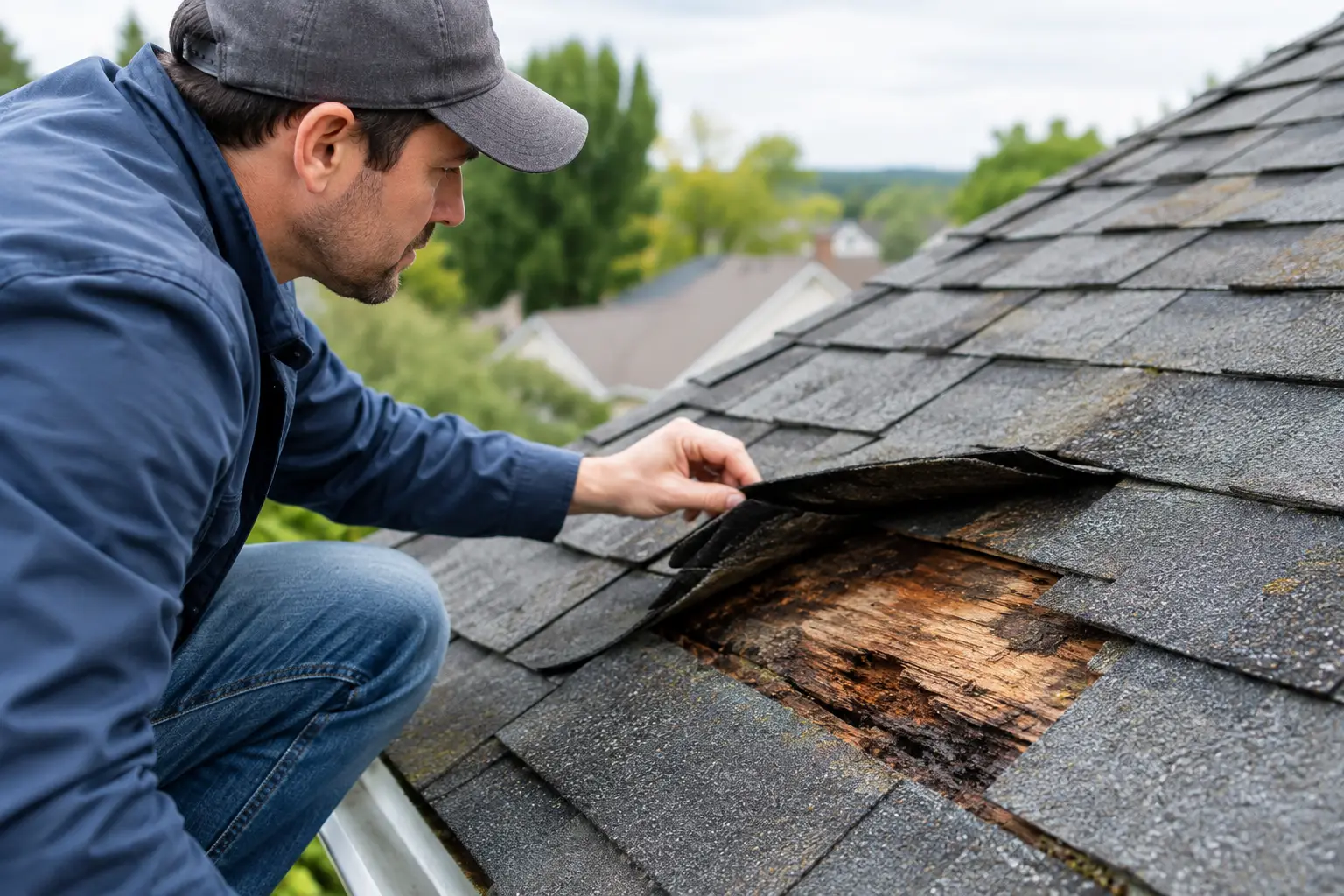
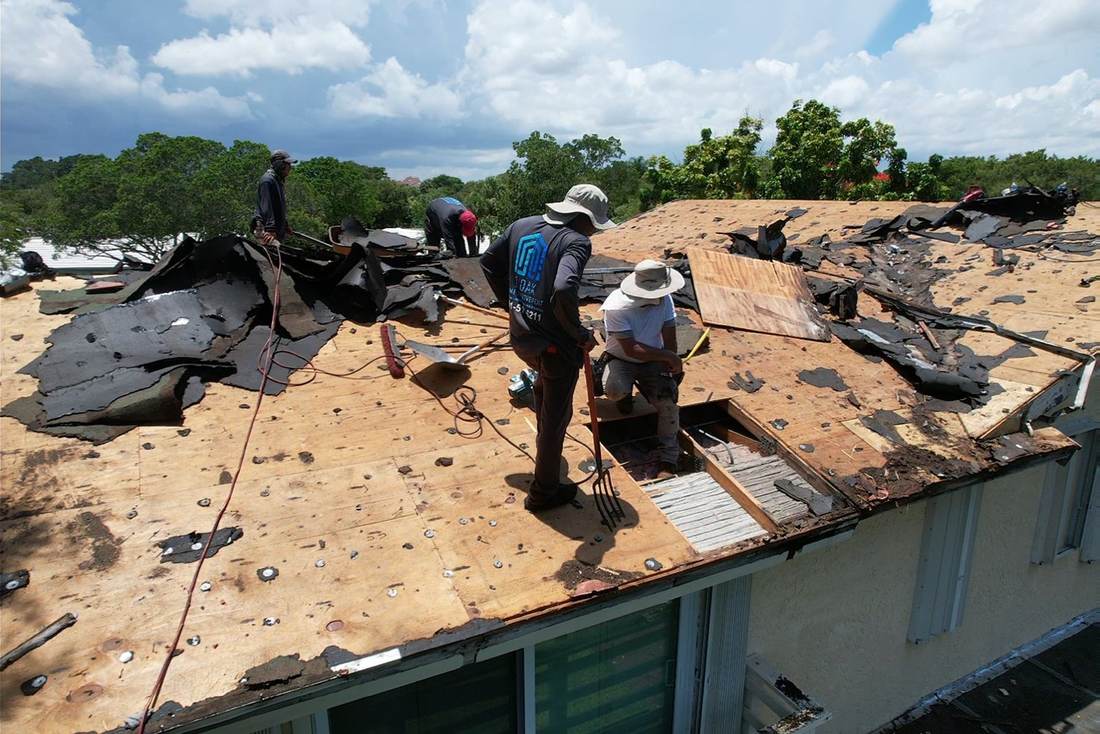
Once the weather clears, call a licensed roofer. A professional can tarp the damaged area or make a temporary repair to stop more water from getting in, then inspect the whole roof to find the source. Water often travels along framing before it drips, so the leak on your ceiling may be several feet from the actual hole.
After a hurricane or tropical storm, check the outside from the ground. Look for missing or lifted shingles, cracked or slipped tiles, bent flashing, and debris or branches on the roof. Our hurricane roof inspection checklist walks through what to look for.
At 1 OAK we handle roof repair in Boynton Beach and across Palm Beach and Broward, and we'll tell you honestly whether a repair will do or the roof is near the end of its life.
Watch out for storm chasers
After big storms, out-of-town crews often go door to door. Some are fine. Some aren't licensed in Florida, so verify before you sign or pay anything. Red flags include:
- Door-to-door solicitation right after a storm
- Asking you to pull your own permit
- Asking for a large cash deposit
- Pressure to sign the same day
- Offers of rebates or gifts for filing an insurance claim, which Florida law limits
Check any contractor's license at myfloridalicense.com and ask for proof of general liability and workers' compensation insurance.
Why roofs leak in storms in the first place
Storm leaks often show up at weak spots that were already there: worn flashing around chimneys and vents, cracked tiles, aging underlayment, or shingles that have lost their seal. Wind-driven rain pushes water sideways into places normal rain never reaches. If your roof only leaks in heavy, windy storms, that's a clue the problem is flashing or underlayment. Read more in why is my roof leaking in South Florida, or book a free inspection once the weather clears.
Frequently asked questions
Should I go on my roof to put a tarp on during a storm?
No. Wet roofs, wind and lightning make it dangerous. Wait until the storm has passed and have a professional roofer put the tarp on.
Will homeowners insurance cover a roof leak from a storm?
Insurance generally covers sudden damage from wind, hurricanes or fallen trees, not wear and tear or old age. Coverage and deductibles vary, so check your own policy. Report the damage promptly; for policies effective on or after December 16, 2022, new claims must be reported within 1 year of the date of loss.
Can a roof leak cause an electrical fire?
Water and electricity are a dangerous mix. If water is near a light fixture, outlet or panel, stay away, and switch off that breaker only if you can do it without standing in water. When in doubt, call an electrician or your utility.
Why does my roof only leak during heavy storms?
Wind-driven rain gets into spots that light rain doesn't, like worn flashing, lifted shingles or gaps under tile. That usually points to a flashing or underlayment problem. A roofer can find it once the weather is dry.