When Roof Coatings Protect a Florida Home
A roof can look faded, chalky, or weathered long before it is ready to be replaced. In South Florida, relentless UV exposure, wind-driven rain, humidity, and ponding water on low-slope areas put every roofing system under pressure. Roof coatings can be a practical way to extend the service life of an eligible roof, but only when the roof beneath them is sound.
That distinction matters. A quality coating is not a shortcut around leaks, damaged decking, failing seams, or worn-out materials. It is a protective system that must be selected and installed with the same care as any other major roofing decision.
What Roof Coatings Actually Do
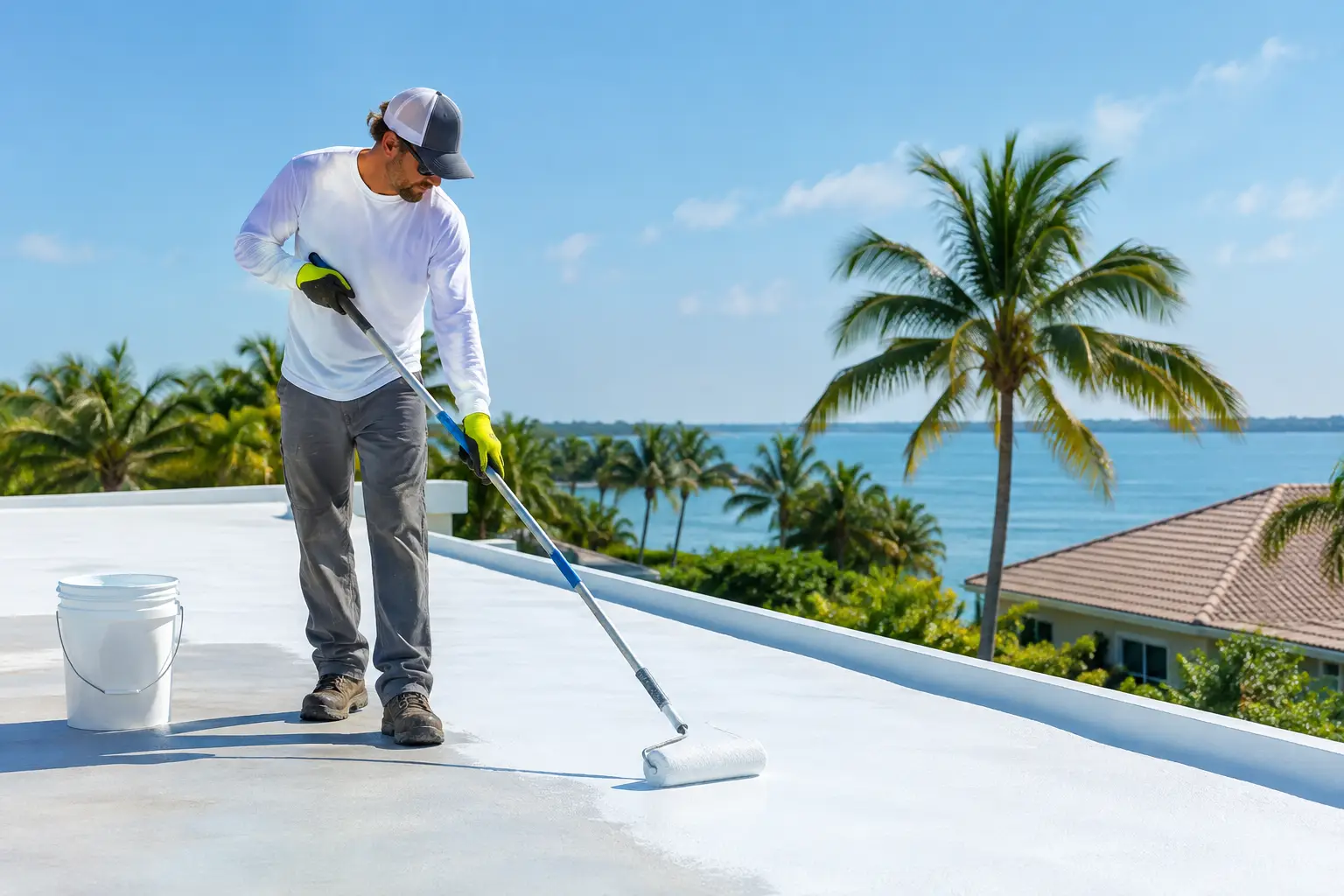
Roof coatings are liquid-applied materials that cure into a continuous protective layer across the roof surface. Depending on the system and roof type, they can help shield the roof from ultraviolet rays, limit surface deterioration, improve water resistance, and reflect a portion of the sun's heat.
For a properly prepared flat or low-slope roof, a coating can also reduce the stress caused by Florida's intense sun. A lighter, reflective surface may lower roof-surface temperatures, which can support better comfort inside the home. The energy impact varies by insulation, attic conditions, air conditioning use, roof color, and the existing roofing assembly, so it should not be treated as a guaranteed utility-bill fix.
The biggest value is often preservation. A coating can help a roof that is still structurally sound continue doing its job longer, while giving the homeowner a clean, maintained appearance. It can also be less disruptive than a full tear-off when the roof qualifies for restoration.
Which Roofs Are Good Candidates for Coating?
Coatings are most commonly used on flat and low-slope roofs, including certain modified bitumen, built-up roofing, metal, and single-ply roof systems. The right answer depends on the roof material, its age, drainage, prior repairs, and overall condition.
Flat and low-slope roofs
These roofs are often the strongest candidates because they have broad, continuous surfaces where a seamless coating can perform well. Still, standing water deserves careful attention. Some coating products are designed to handle ponding water better than others, but correcting drainage concerns is often part of protecting the roof for the long term.
Before coating, a contractor should inspect seams, penetrations, flashings, drains, scuppers, curbs, and transitions at walls. These details are where many leaks begin. Covering them without repairing them first can trap the problem instead of solving it.
Metal roofs
Metal roofing can sometimes be coated to refresh the surface, add protection, and address oxidation after proper preparation. Fasteners, panel laps, flashing details, and any rusted areas need to be evaluated first. A coating may be a sensible maintenance option for a sound metal roof, but it will not correct widespread corrosion, loose panels, or damaged structural components.
Tile and shingle roofs
Tile and shingle roofs require more caution. Homeowners may see products marketed as coatings or sealers for these surfaces, but they are not a universal answer for aging roofing. Tile roofs can have underlayment, flashing, or attachment issues that are not visible from the ground. Shingle roofs depend on their granular surface and proper water-shedding design, so applying the wrong material can create performance or warranty concerns.
For these roof types, an inspection should come before any recommendation. If the roof is leaking, losing materials, or near the end of its service life, repair or replacement may be the more responsible path.
When a Coating Is Not the Right Solution
A coating should never be used to hide an active roofing failure. If water has entered the roof system, insulation is saturated, decking is compromised, or leaks are recurring in several areas, the roof needs a deeper evaluation.
Warning signs include soft spots, widespread blistering, open seams, deteriorated flashing, interior staining, moldy odors, sagging areas, and repeated repairs that do not hold. Hurricane-season storms can expose weaknesses quickly, especially around roof penetrations and transitions.
Age also matters, but condition matters more. A newer roof with poor drainage or storm damage may not be a coating candidate. An older roof that has been maintained well and remains dry may be. The goal is not to force a coating onto every roof. The goal is to recommend the work that protects the home without creating a larger issue later.
Choosing the Right Coating System
Not all coatings perform the same way. Acrylic, silicone, polyurethane, and other specialty systems have different strengths. The best choice should be based on the existing roof, weather exposure, drainage conditions, required adhesion, and the manufacturer's specifications.
Acrylic coatings are often valued for their reflectivity and appearance, but their performance can be affected by frequent standing water. Silicone coatings are commonly considered where ponding water is a concern, though they can attract dirt and may require specific preparation if recoating is needed later. Polyurethane systems can offer strong durability in high-traffic or impact-prone areas, but they are not automatically necessary for every residential roof.
The product is only one part of the decision. Surface preparation, detail work, coverage rate, drying conditions, and proper application are equally important. A premium coating installed over a dirty, damp, unstable, or poorly repaired surface can fail early.
What a Professional Coating Project Should Include
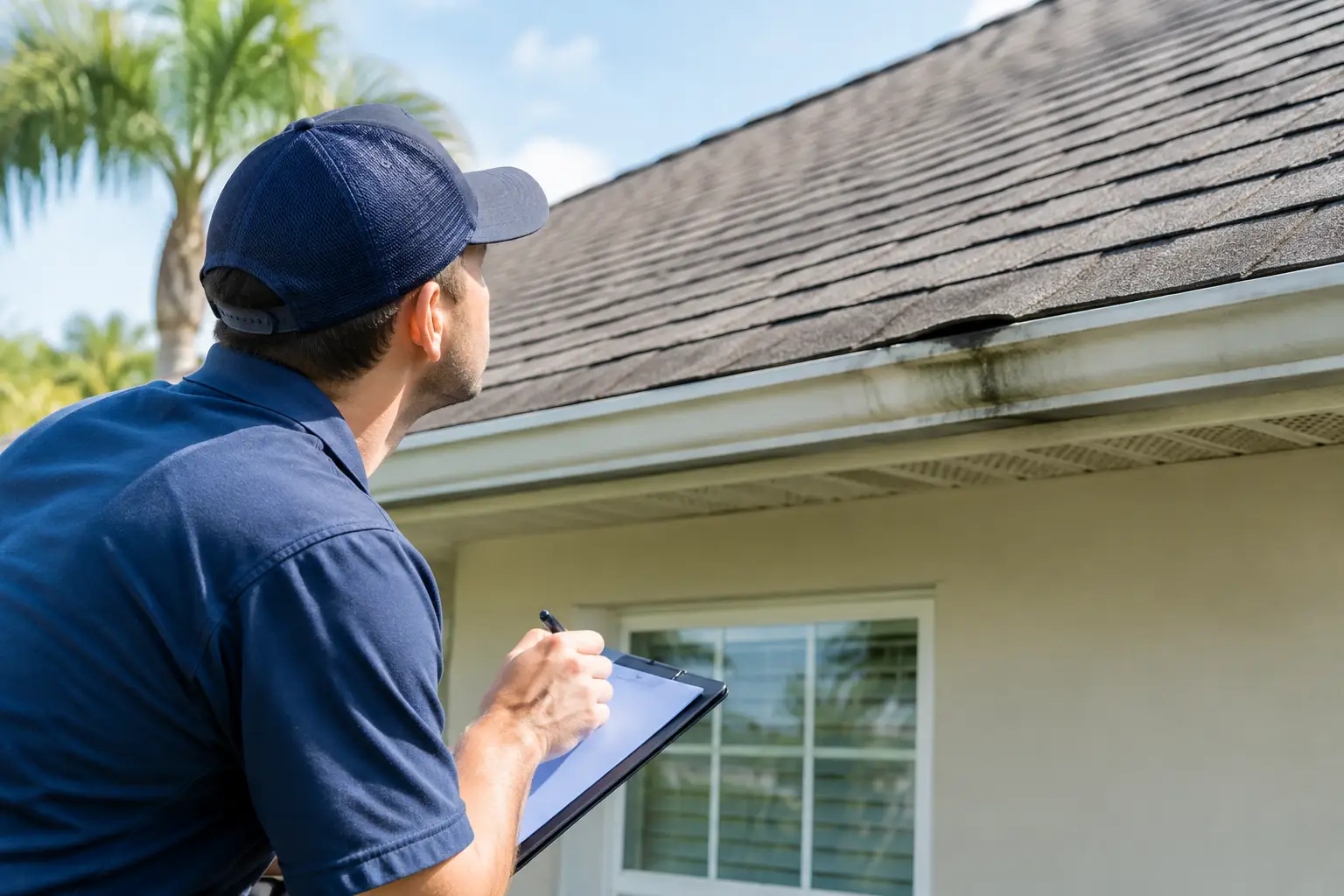
A reliable roof coating project begins with an honest inspection. The contractor should identify the roof type, inspect for moisture concerns and visible damage, review drainage, and determine whether repairs are needed before coating. If a coating is not appropriate, that should be explained clearly.
Preparation typically includes cleaning the roof thoroughly, removing loose material, treating or repairing damaged sections, securing seams and flashings, and allowing the surface to dry as required. On many roofs, reinforcement fabric or specialized sealant is used around penetrations, joints, drains, and other vulnerable details before the field coating is applied.
Application conditions matter in Boynton Beach and throughout Palm Beach County. Rain, humidity, surface temperature, and cure times can affect how a coating adheres and performs. An experienced roofing contractor plans the work around the product requirements and the weather rather than rushing an application just to finish quickly.
Homeowners should also ask what maintenance the completed system needs. Even a well-installed coating benefits from periodic inspections, especially after severe storms. Keeping drains clear and addressing small issues promptly can help protect the investment.
Questions to Ask Before You Coat Your Roof
Before approving a coating project, ask whether the existing roof is dry and structurally sound, what repairs are included, how drainage concerns will be handled, and which coating system is recommended for your roof material. You should also understand how the coating will be applied around vents, pipes, skylights, HVAC curbs, and roof edges.
Ask for a clear explanation of the expected scope of work, not just a promise that the roof will be “sealed.” A professional recommendation should connect the condition of your roof to the proposed solution. If the answer feels vague, request more detail before moving forward.
At 1 OAK Home Improvement Inc., the priority is helping homeowners make confident roofing decisions based on what their property actually needs. Whether a roof needs targeted repairs, a coating system, or replacement, the right path is the one that protects your home and avoids unnecessary stress.
A roof coating can be a smart maintenance investment when the roof is ready for it. Start with a thorough inspection, insist on proper preparation, and choose a solution built for Florida weather - not a temporary cover for a problem that deserves real attention.