What Is the Best Roof for Hurricanes in Florida?
There's no single best roof for hurricanes. Standing seam metal, concrete tile and architectural shingles can all perform well in Florida when they're installed to code over a re-nailed deck with a secondary water barrier. Installation, roof shape and the connections underneath matter as much as the material. Pick based on budget, lifespan and your home.
Why Installation Matters as Much as Material
Homeowners usually ask which material wins. In practice, a roof is a system. Wind works on the edges, the fasteners, the deck and the connections between the roof and the walls. A top-shelf material put on poorly will lose to a mid-priced one put on right.
Florida code sets the floor. On many reroofs, Florida code requires re-nailing the deck and a secondary water barrier. Location matters too:
- Broward and Miami-Dade are in the High-Velocity Hurricane Zone (HVHZ). Roofing products there need HVHZ approval, such as a Miami-Dade Notice of Acceptance (NOA).
- Palm Beach County isn't HVHZ, but it still requires Florida-approved products and wind-rated installation.
So the first question isn't really metal vs. tile vs. shingle. It's whether the contractor will install it to code, with approved products, and pass the inspections. Our Florida roofing code guide for Palm Beach homes explains the rules in more detail.
Standing Seam Metal
Standing seam metal uses long panels that run from the ridge to the edge, joined by raised seams. The version we install is 24-gauge with concealed fasteners, so the screws aren't exposed to the weather.
- Lifespan: 40–60 years in South Florida.
- Upfront cost: the highest of the three.
- Good fit for: owners planning to stay a long time who want the longest-lasting option.
One thing to know: a new metal roof doesn't automatically lower your insurance premium. It's a strong, long-lived roof, but discounts depend on what your insurer credits. Read more in our post on metal roofs for hurricane zones in Florida.
Concrete Tile
Concrete tile, flat or barrel, is the classic South Florida look, and it lasts a long time when installed and maintained properly.
- Lifespan: 40–50 years, though the underlayment under the tile usually needs replacing around 20–25 years.
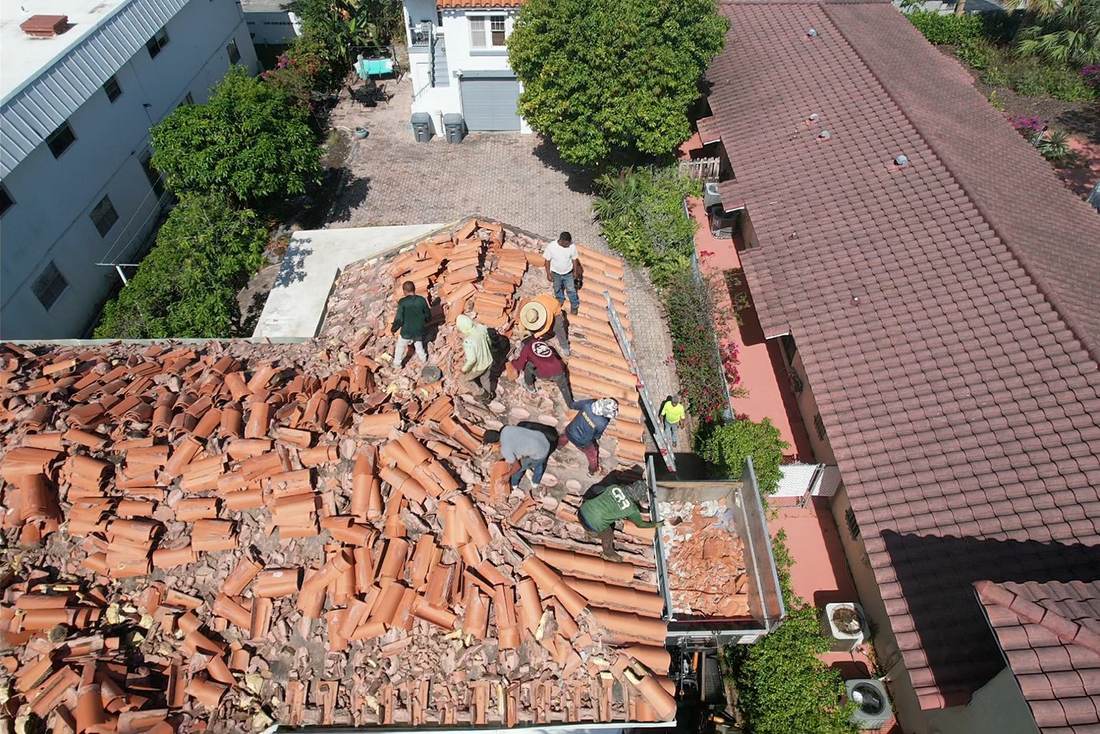
- Upfront cost: in the middle, more than shingle and less than metal. Removing an existing tile roof adds labor and disposal.
- Good fit for: homes and neighborhoods where tile is the norm, and owners who want a long-life roof.
With tile, how each tile is attached and the condition of the underlayment matter a lot. See tile versus shingle roofs in Palm Beach County for a side-by-side, and tile roof maintenance for Palm Beach homes for keeping one in shape.
Architectural Shingle
Architectural shingles are the most affordable of the three, and a good one installed correctly is a solid hurricane roof.
- Wind rating: the GAF Timberline HDZ shingle we install is rated to 130 mph with a Florida install.
- Lifespan: 25–30 years, often less on the coast or with poor ventilation.
- Upfront cost: the lowest of the three.
- Good fit for: owners who want a code-compliant, wind-rated roof at the lowest upfront cost.
Roof Shape and What's Underneath
Some of the biggest hurricane factors aren't the roof covering at all. The state's wind mitigation form (OIR-B1-1802) gives a good list of what counts:
- Roof shape: hip roofs score better on the form.
- Roof deck attachment: how well the decking is nailed to the framing.
- Roof-to-wall connections: clips or straps that tie the roof to the walls.
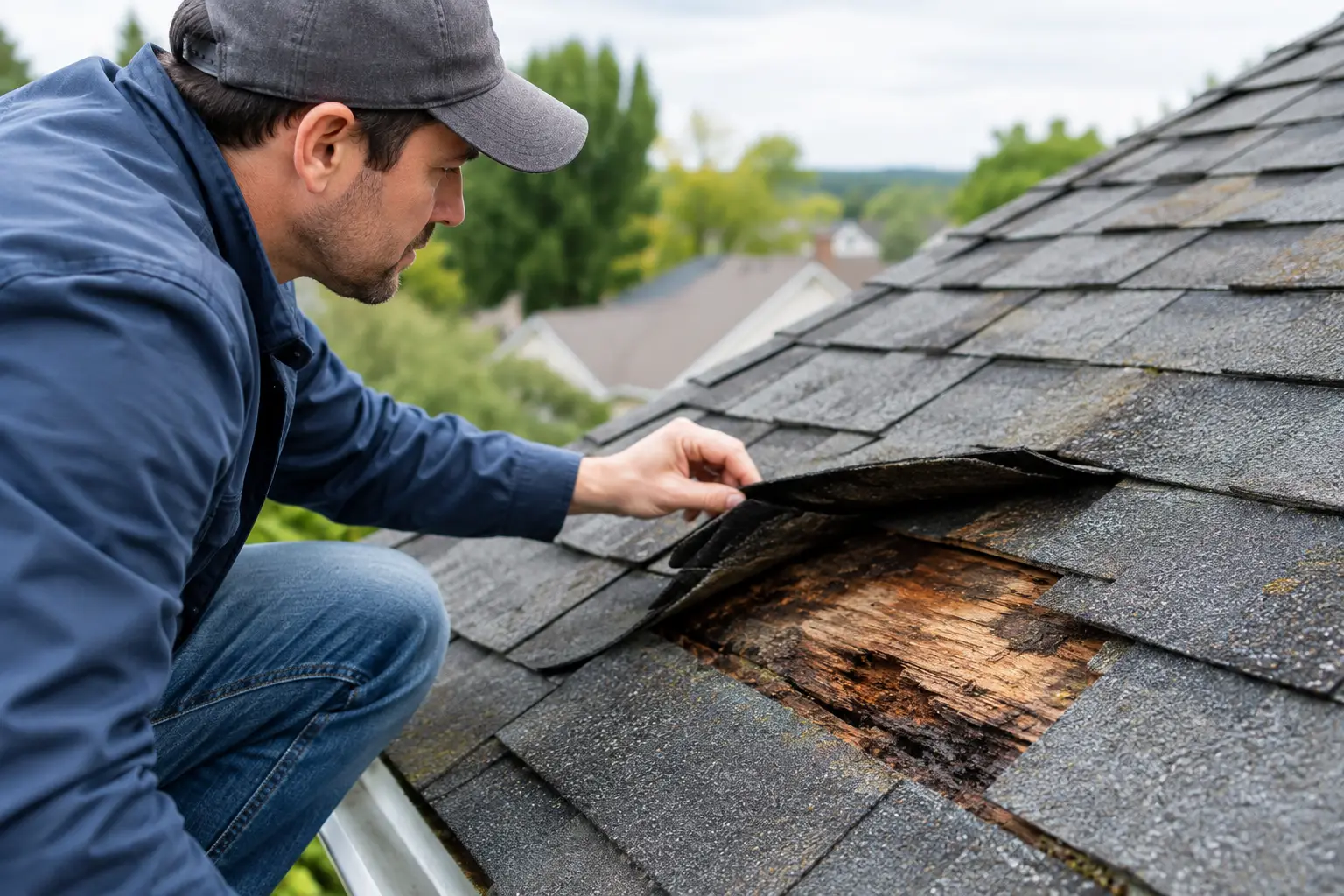
- Secondary water resistance: a backup layer that helps keep water out if the covering is damaged.
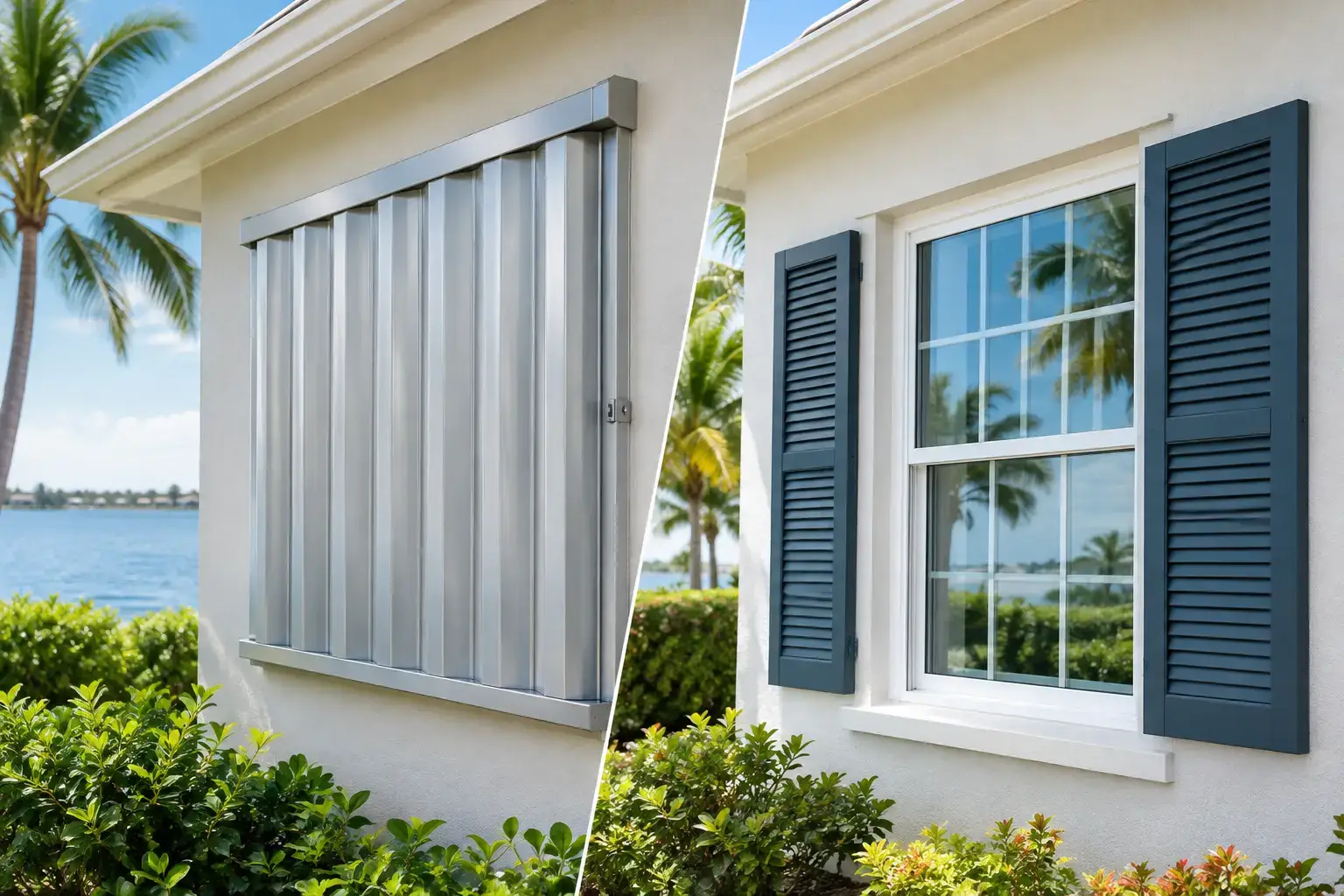
- Opening protection: impact windows and doors that keep wind from getting inside the house.
You can't easily change your roof shape, but a reroof is the right time to get the deck attachment and secondary water barrier done right. And protecting the openings matters too. Our impact windows in Palm Beach County page covers that side. Florida insurers must offer premium discounts for qualifying wind-resistant features, though the amount varies by insurer, so get a new wind mitigation inspection after your reroof.
How to Choose for Your Home
On the same house, the three options line up the same way on upfront cost:
- Shingle: the lowest upfront cost.
- Tile: in the middle, plus extra labor and disposal if old tile has to be torn off.
- Metal: the highest upfront cost, with the longest lifespan.
A few questions to settle it:
- How long do you plan to stay? Longer stays favor metal or tile.
- What's your budget now? Shingle gets you a wind-rated, code-compliant roof for the least.
- What's on the house today, and what fits the neighborhood?
- Are you near the coast? Salt air and sun shorten roof life, especially for shingles.
The real price depends on your roof's size in squares, its pitch and complexity, the decking, permit and code items and the height of the house. Financing is available: $0-down financing with up to 2 years before the first payment. Subject to approval; terms may vary. To see real prices for all three on your own roof, start with our instant online roof quote, and a free inspection sets the final number.
Frequently asked questions
Is a metal roof better than tile in a hurricane?
Both can perform well when installed to Florida code. Standing seam metal typically lasts 40–60 years and concrete tile 40–50 years, though tile's underlayment usually needs replacing around 20–25 years. The quality of the installation matters as much as the material.
Do hip roofs really hold up better in hurricanes?
Hip roofs score better on Florida's wind mitigation form, which is the form insurers use to credit wind-resistant features. You usually can't change your roof shape during a reroof, but you can improve deck attachment and add a secondary water barrier.
Will a hurricane-resistant roof lower my insurance?
It can help. Florida insurers must offer discounts for qualifying wind-resistant features, but the amount varies, and a new metal roof doesn't automatically lower premiums. Get a new wind mitigation inspection after your reroof and send it to your insurer.
Is there help paying for hurricane upgrades in Florida?
The state's My Safe Florida Home program has offered free wind mitigation inspections and matching grants of up to $10,000 for homesteaded homes that meet its rules. Funding has opened and closed in rounds. Check mysafeflhome.com for current status and eligibility.