What Happens During a Roof Replacement?
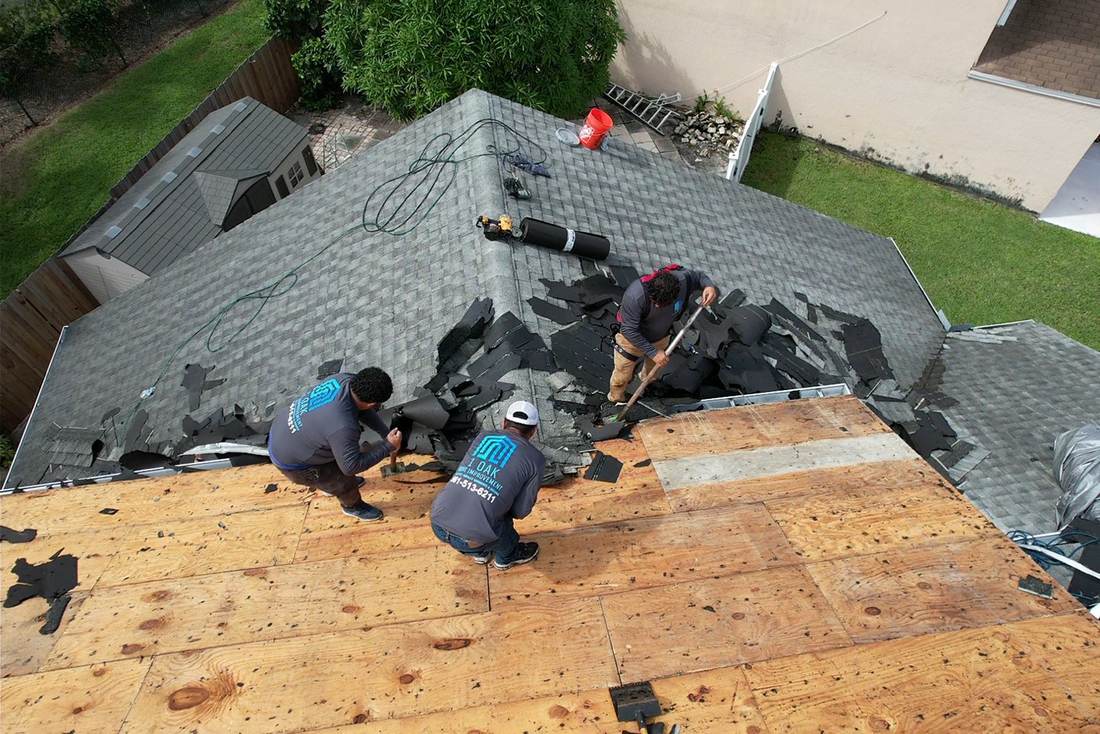
A roof replacement starts with an inspection, a written quote and a building permit. On site, the crew tears off the old roof, replaces any rotten decking, re-nails the deck to current code, installs a secondary water barrier and underlayment, then the new roof covering. City inspections happen along the way, and a final inspection closes the permit.
Before work starts: inspection, quote and contract
Every reroof starts with someone getting on the roof. The contractor measures it, checks its condition, looks for soft spots and leaks, and notes things like vents, skylights and the roof's shape. Then you get a written quote.
A good quote spells out the material, the underlayment, how decking replacement is priced (usually per sheet, since nobody can see the decking until tear-off), permit costs and warranty terms. Our guide on how to compare roofing estimates covers what to look for. You can also get a starting number from our instant online roof quote, which measures your roof from satellite imagery.
The permit and materials
A roof replacement in Florida needs a building permit. The licensed roofing contractor normally pulls it. Be wary of anyone who asks you to pull your own permit.
In Broward and Miami-Dade, which are in the High-Velocity Hurricane Zone, roofing products need HVHZ approval, such as a Miami-Dade Notice of Acceptance (NOA), and Broward uses a uniform HVHZ roofing permit application with staged inspections. Palm Beach County isn't HVHZ, but it still requires Florida-approved products and wind-rated installation. Our Florida roofing code guide for Palm Beach homes explains more.
While the permit is in review, you'll pick your color and the materials get ordered and delivered.
Day one: prep and tear-off
The crew sets up a dumpster, protects landscaping, pool areas and AC units as needed, and starts removing the old roof down to the deck. Removing an old tile roof takes more work than stripping shingles, which is why it adds to the price.
In Florida, a full tear-off is the norm. Florida insurers and wind uplift requirements make a full tear-off the norm, and tile roofs have to come off. In Broward and Miami-Dade, HVHZ rules are stricter, and roof-overs are rarely an option. Your contractor and permit office will confirm.
Good crews only tear off what they can dry in the same day, which matters during the rainy season.
Decking repairs and re-nailing
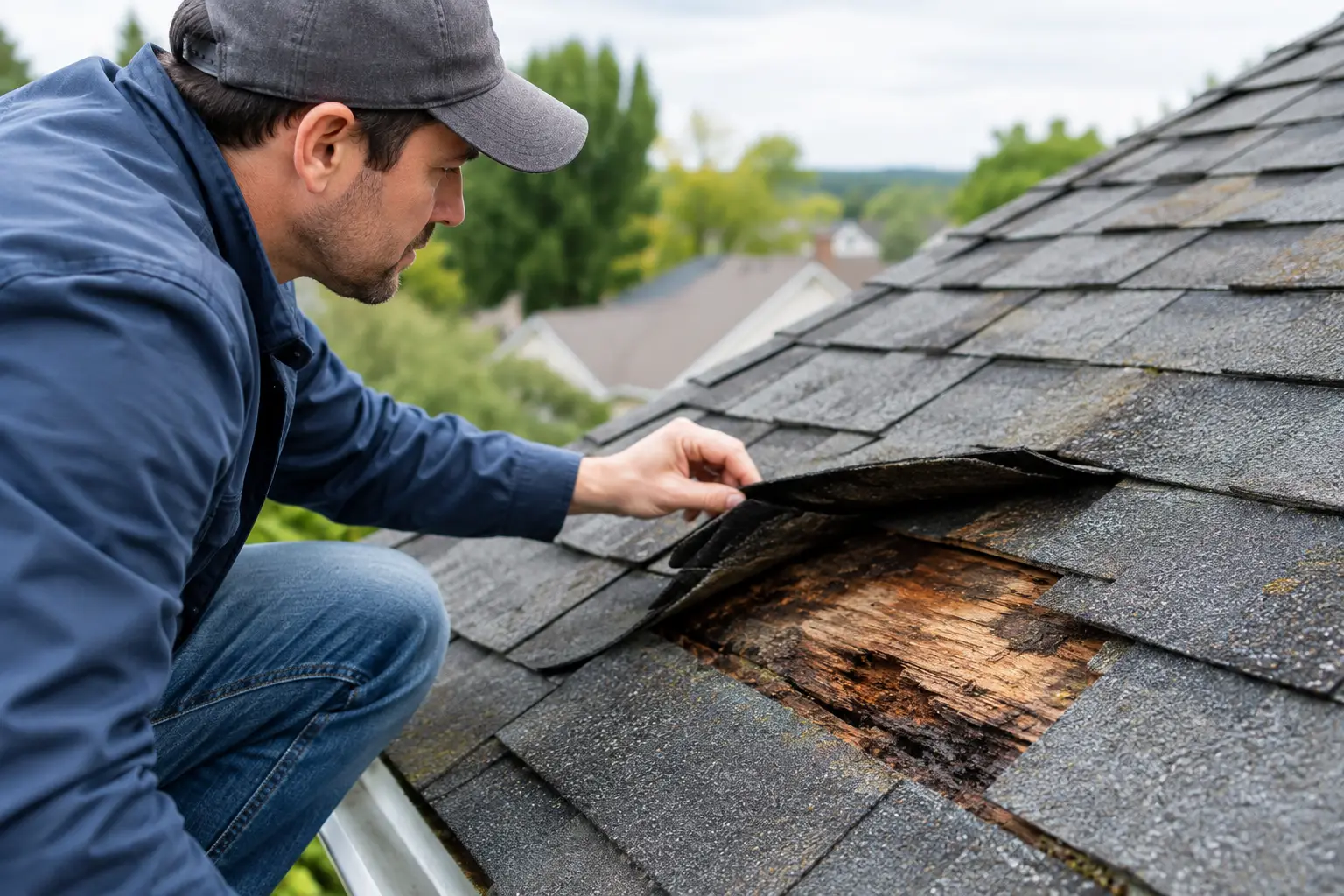
With the old roof off, the decking (the plywood or OSB the roof is nailed to) is exposed. Any rotten or delaminated boards are cut out and replaced. This is the one part of the job no one can fully price in advance.
Florida code also requires re-nailing the deck and a secondary water barrier on many reroofs. Re-nailing ties the deck down to current standards so it resists wind uplift better. Many cities inspect the deck nailing before the roof can be dried in.
Dry-in: secondary water barrier and underlayment
Next comes the layer that actually keeps water out: the secondary water barrier and underlayment. Once it's on, the house is “dried in” and protected from rain even before the finished roof goes on. Many cities require a dry-in inspection at this stage.
The underlayment you choose matters, especially under tile, where it does most of the waterproofing work. See roof underlayment types for South Florida homes for the options.
Installing the new roof
Now the finished roof goes on, along with new flashing at walls, valleys, vents and other penetrations. How this looks depends on the material:
- Architectural shingle: the fastest to install. Shingles are nailed in courses from the eaves up, with ridge caps on top.
- Concrete tile: tiles are loaded onto the roof, set and fastened piece by piece, with special pieces at hips and ridges. This takes longer.
- Standing seam metal: panels are measured and formed to fit, then fastened with concealed fasteners. Edge and trim details take time.
- Flat roofs: modified bitumen or TPO membranes are fully adhered, with careful work at drains and edges.
Once work starts, a typical single-family reroof usually takes a few days on site, with tile and metal taking longer than shingle. More on timing in how long a roof replacement takes.
Cleanup, final inspection and paperwork
The crew clears debris and sweeps the yard and driveway for nails. Then the city does a final inspection to close the permit. After that, a few things are worth doing:
- Get your paperwork: the closed permit, product approvals and your warranty documents.
- Register the warranty: some manufacturer warranties require registration. Ask which manufacturer warranty level your contractor can register.
- Get a new wind mitigation inspection: a roof installed to current code often improves several items on the form, which can lower your premium.
- Tell your insurer: send them the details of the new roof.
At 1 OAK we handle the permit, inspections and warranty paperwork on every job, from roof replacement in Delray Beach to Broward. Book a free inspection whenever you're ready.
Frequently asked questions
Do I need to be home during a roof replacement?
No, but most people stay home. Expect daytime noise and some debris, and move cars out of the driveway so the crew has room. Take fragile items off walls, since hammering can shake them.
What happens if the roofer finds rotten wood?
Rotten or delaminated decking is cut out and replaced before the new roof goes on. Quotes usually price this per sheet as an extra, because it can't be seen until tear-off. Ask for photos of any boards replaced.
Can a new roof go over my old roof in Florida?
Usually not. Florida code requires tearing off tile roofs, roofs with two or more layers and deteriorated roofs, and insurers and wind uplift requirements make full tear-offs the norm. In Broward and Miami-Dade, HVHZ rules are stricter still.
Who pulls the permit for a roof replacement?
The licensed roofing contractor normally pulls the permit. A contractor who asks you to pull your own permit is a red flag. The permit brings city inspections during the job and a final inspection at the end.