What Causes Roof Blistering on Florida Homes?
A raised bubble on a roof can look minor from the ground, but it may signal that moisture, heat, or poor adhesion is working below the surface. Homeowners often ask what causes roof blistering after noticing small bumps on shingles or larger, soft-looking areas on a flat roof. The right response depends on the roofing material, the age of the roof, and whether the affected area is still sealed against water.
In Palm Beach County, roofs face intense sun, humid air, wind-driven rain, and abrupt summer storms. Those conditions can expose weak spots in a roofing system faster than they would in a milder climate. A prompt inspection helps separate a cosmetic issue from damage that could lead to leaks, deteriorated decking, or a larger repair.
What Is Roof Blistering?
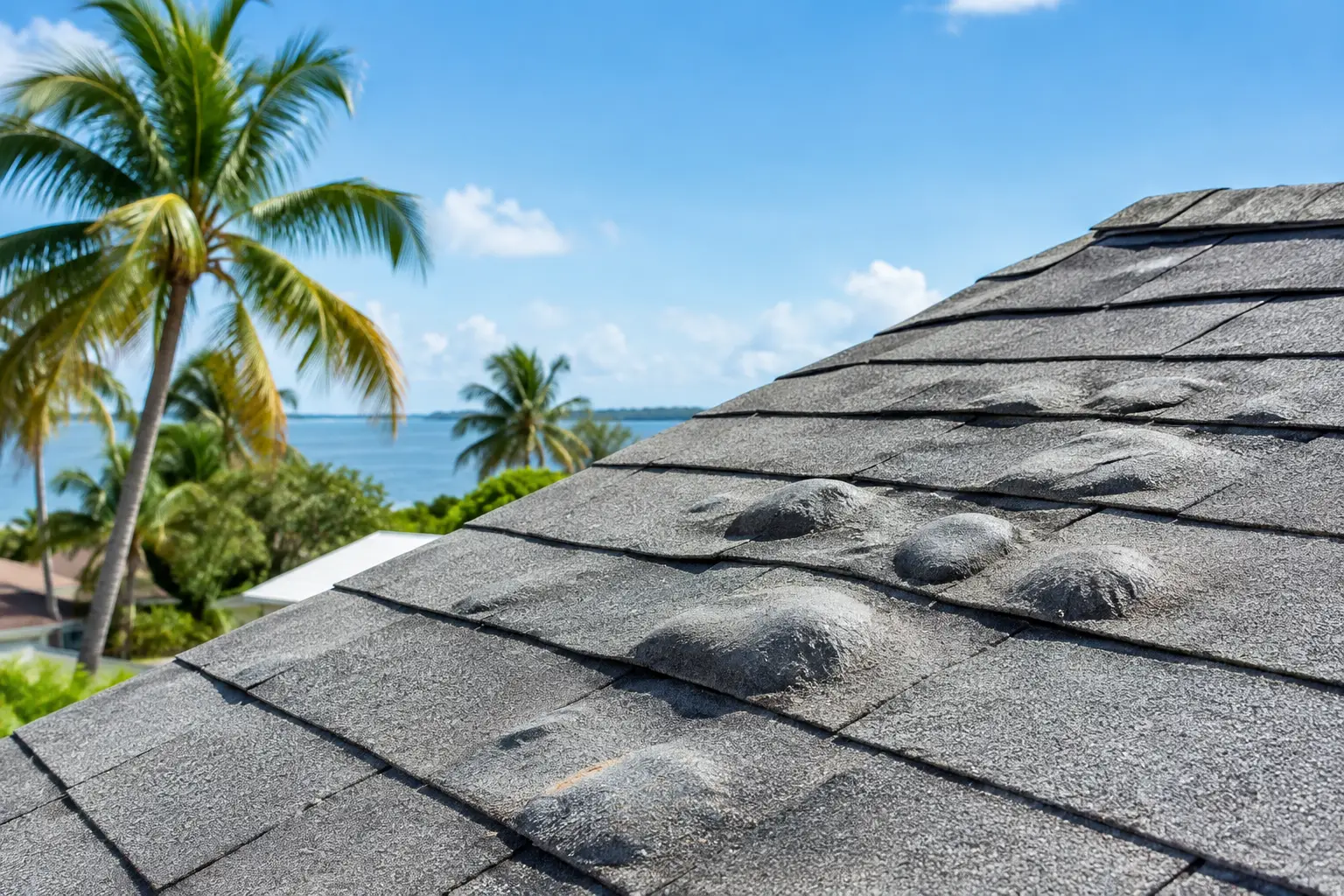
A roof blister is a raised pocket that forms when air, moisture, or vapor becomes trapped beneath a roofing surface. On flat and low-slope roofs, blisters are commonly found in asphalt-based membranes, modified bitumen, and built-up roofing systems. They may feel soft when pressed and range from small bubbles to areas several inches wide.
On asphalt shingle roofs, the term can describe small raised spots where the shingle surface has separated or where granules have loosened. Not every irregularity is a blister. Lifted shingles, hail impacts, nail pops, and uneven roof decking can create similar-looking symptoms. That is why a close inspection matters before deciding on a repair.
A blister is not automatically a roof failure. If its outer layer remains intact, it may still be keeping water out. However, a blister that cracks, splits, or loses its protective surface can become a direct path for rainwater.
What Causes Roof Blistering in South Florida?
Moisture trapped during installation
Moisture is one of the most common causes of roof blistering. A roof surface, insulation board, or substrate that is damp when new material is installed can trap water beneath the finished roof. As the roof heats up, that moisture turns to vapor and expands, placing pressure on the membrane above it.
This risk is especially relevant after rain or in humid conditions. A qualified roofing crew should prepare the surface carefully and install materials only when conditions support proper adhesion. Rushing installation over wet materials can create problems that are not visible until months or years later.
Heat and repeated thermal movement
Florida roofs absorb a great deal of heat. Dark roofing materials and low-slope roofs can become extremely hot under direct sunlight, then cool quickly during afternoon rainstorms or overnight. This repeated expansion and contraction puts stress on adhesives, seams, and roofing layers.
Heat alone does not always create blisters. It usually worsens an existing weakness, such as trapped moisture, insufficient bonding, or aging materials. Over time, the roofing surface may separate from the layer beneath it and form a raised pocket.
Poor adhesion between roofing layers
Flat roof systems rely on strong, consistent bonding. If adhesive coverage is uneven, if hot asphalt is applied at the wrong temperature, or if the surface is dusty or contaminated, portions of the membrane may not fully adhere. Air can then collect in those loose areas and develop into blisters.
The same principle applies to shingles. Shingles need adequate sealing and correct fastening to perform as intended. Installation errors do not always show up immediately, but high heat and wind can reveal them over time.
Inadequate attic ventilation
On shingle roofs, poor attic ventilation can contribute to excessive heat buildup beneath the roof deck. That heat can shorten the life of shingles, dry out asphalt components, and increase stress on the roofing assembly. In some cases, it contributes to blister-like surface defects or premature granule loss.
Ventilation is not a cure-all. A roof with trapped moisture or improper installation still needs a direct repair. But balanced intake and exhaust ventilation can help control heat and moisture inside the attic, protecting the roof from unnecessary stress.
Aging materials and surface wear
Every roof has a service life. As asphalt-based materials age, oils can migrate, adhesives can weaken, and protective granules can wear away. The roof becomes less flexible and more vulnerable to Florida's heat, rain, and ultraviolet exposure.
Older roofs may develop isolated blisters simply because the material has deteriorated. When blisters appear alongside widespread cracking, exposed reinforcement, missing granules, brittle shingles, or frequent leaks, localized patching may not be the most dependable long-term answer.
Ponding water and drainage problems
Standing water does not always cause a blister by itself, but it adds stress to a low-slope roof. Water that remains after a storm can find its way into small cracks, weak seams, and previously damaged areas. It can also slow the drying process and encourage deterioration beneath the surface.
A properly designed flat roof needs a drainage plan. If water routinely remains for more than a short period after rainfall, the issue may involve clogged drains, insufficient slope, a sagging deck, or settlement in the roof system. Correcting the drainage issue is just as important as repairing the visible blister.
Why Blistering Should Not Be Ignored
An intact blister may not leak today, but it is a vulnerable point. Sun exposure makes the raised surface work harder than the surrounding roof. Foot traffic, debris, and wind can rupture it. Once the surface opens, water can enter roofing layers and travel away from the visible damage before appearing as a ceiling stain inside the home.
Moisture below the roof covering can also damage insulation and decking. On a shingle roof, trapped moisture may eventually soften plywood or cause fasteners to loosen. On a flat roof, water intrusion can compromise larger sections of membrane than the blister itself suggests.
Avoid puncturing or cutting a blister as a DIY fix. Opening it without understanding the layers below can create an immediate leak and make a repair more complicated. A roofing professional can determine whether the area should be monitored, repaired, resealed, or replaced as part of a broader roofing correction.
How a Professional Diagnoses the Problem
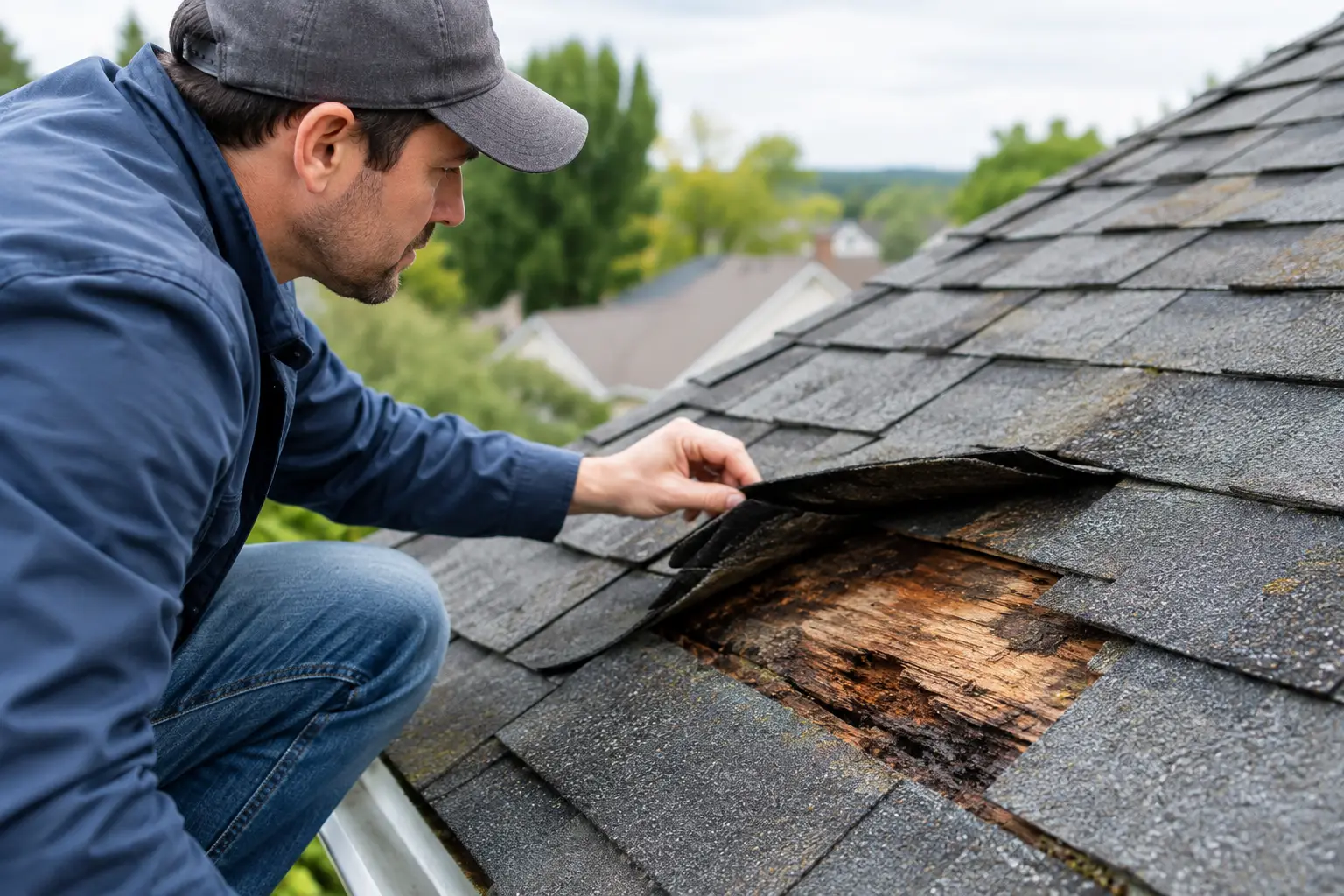
A proper roof inspection looks beyond the bubble itself. The roofer examines the roof material, surrounding seams or shingles, drainage patterns, flashing, penetrations, and signs of water entry. Inside the home, attic conditions, ventilation, and staining may offer additional clues.
For flat roofs, the inspection may focus on whether the blister is isolated and stable or whether it is part of widespread membrane separation. For shingle roofs, the roofer will look for granule loss, heat damage, lifted tabs, nail placement issues, and deck movement that may be mistaken for blistering.
The best repair depends on what caused the condition. A small, dry, intact blister may only need monitoring. A split blister may require a targeted patch and resealing. If moisture is widespread beneath the roof system, repair decisions need to address the underlying source rather than simply covering the visible symptom.
Protecting Your Roof Before Blisters Get Worse
Homeowners cannot control South Florida's weather, but they can reduce the chance that minor roofing issues turn into expensive water damage. Keep drains, gutters, and roof valleys clear so water can move off the roof. Limit unnecessary foot traffic, especially on flat roofing materials. After severe storms, look for new surface changes, loose materials, ceiling spots, or water around vents and skylights.
Regular inspections are particularly valuable for roofs approaching the later part of their expected life or homes with a history of leaks. They provide a clear picture of the roof's condition before an emergency forces a rushed decision.
If you have noticed bubbles, raised areas, or unexplained roof surface changes around Boynton Beach, 1 OAK Home Improvement Inc. can assess the condition and explain the practical next step. Your home is a major investment, and a careful inspection now can help protect it through the next heavy rain.