What a Tile Roof Inspection Should Find in Florida

A tile roof can look solid from the street while a small failure beneath the surface is allowing water into the home. That is why a professional tile roof inspection is not just about spotting broken pieces of clay or concrete. It is about checking the full roofing system that protects your ceilings, framing, insulation, and interior finishes.
For homeowners in Boynton Beach and across Palm Beach County, that protection matters year-round. Intense sun, wind-driven rain, salt air near the coast, and hurricane-season storms all place demands on a tile roof. A timely inspection gives you clear answers about its condition and a practical path forward before a manageable repair becomes a disruptive leak.
Why Tile Roofs Need a Different Kind of Inspection
Tile is durable, attractive, and well suited to South Florida homes. But the visible tile is only one layer of the roof system. The waterproofing protection usually comes from the underlayment below the tile, along with properly installed flashing, vents, fasteners, and transitions around walls and penetrations.
A roof may have only a few cracked or displaced tiles and still need prompt attention. Those openings can expose the underlayment to sun and water. On the other hand, a roof with tiles that appear weathered may still have years of reliable performance left if the underlayment and details are in good condition. This is why an inspection should not be based on curb appeal alone.
The age of the roof also matters, but age is not the whole story. Installation quality, storm history, maintenance, tree coverage, and prior repairs can all affect how a tile roof performs. A professional evaluation separates cosmetic concerns from conditions that could lead to water intrusion.
What a Tile Roof Inspection Should Cover
A thorough inspection begins with the roof surface, but it should go further. The goal is to identify active damage, early warning signs, and components that may need attention before the next major storm.
Tile condition and attachment
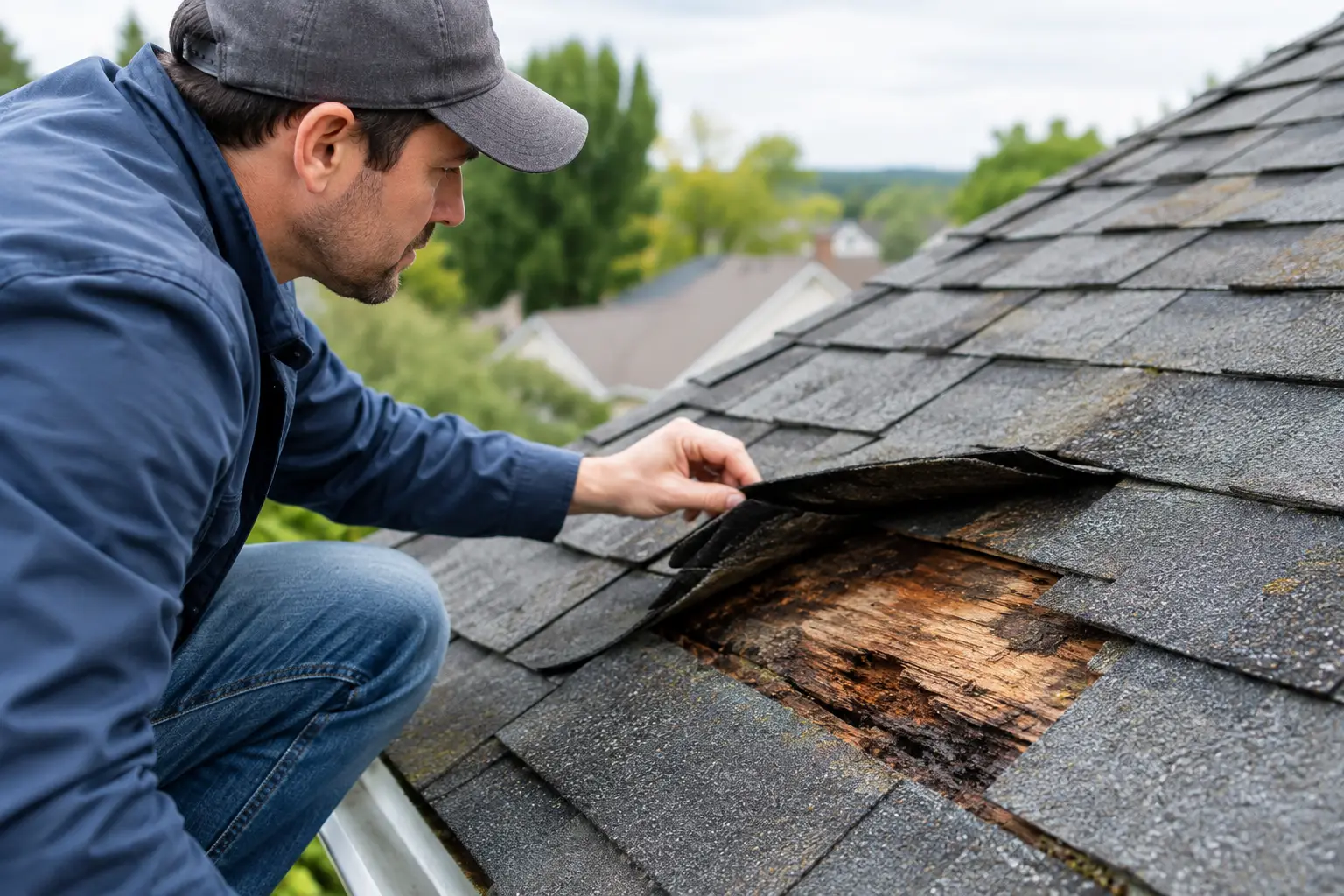
The inspector checks for cracked, chipped, loose, slipped, or missing tiles. A cracked tile is not always an emergency, but it should not be ignored. Even a small break can create a path for water, especially when heavy rain is pushed under the tile by strong wind.
Tile attachment is equally important. Florida roofs can experience significant wind pressure, and tiles that have shifted or lifted may indicate fastening or adhesive concerns. The inspection should look for areas where tiles are no longer seated correctly, including ridges, hips, roof edges, and areas around vents.
Underlayment and vulnerable transitions
Because the underlayment is hidden, evaluating it requires experience. An inspector may look beneath accessible tiles and closely inspect areas where wear tends to show first. These include valleys, roof-to-wall intersections, chimneys, skylights, plumbing vents, and other penetrations.
Flashing around these details is critical. Water often enters at transitions rather than in the middle of the roof field. Damaged, corroded, poorly sealed, or improperly integrated flashing can cause a leak that seems to appear far from its actual source.
Valleys deserve special attention because they handle concentrated water flow. Debris buildup can slow drainage and hold moisture against the roofing materials. During a tile roof inspection, the valley areas should be checked for broken tile, deteriorated underlayment, blocked flow, and signs of previous patching.
Drainage, gutters, and debris
Tile roofs need a clear path for water to leave the roof. Leaves, palm fronds, seed pods, and branches can collect in valleys and behind roof features. Over time, that debris can trap moisture and conceal damaged materials.
Gutters and downspouts should also be reviewed where present. Overflowing gutters may not mean the roof is failing, but they can send water toward fascia boards, soffits, and the foundation. Keeping drainage clear is a simple way to reduce unnecessary stress on the exterior of the home.
Signs inside the home
A good roof inspection includes the homeowner's observations. Water stains, peeling paint, a musty smell, damp insulation, or discoloration near ceilings and exterior walls can point to a roofing issue. Not every stain means there is a current leak. It may be older damage from a past event. Still, it deserves evaluation so you know whether repairs are needed now.
If attic access is available, the inspector may look for moisture marks, mold-like growth, wet insulation, daylight at penetrations, or evidence of pest entry. The attic can reveal a problem that has not yet reached the finished ceiling below.
When to Schedule a Tile Roof Inspection
There is no single schedule that works for every property, but most homeowners benefit from having their roof evaluated at least once a year and after a significant storm. An inspection before hurricane season can identify loose tiles, vulnerable flashing, and blocked drainage before severe weather arrives.
You should also schedule an inspection if you notice a new ceiling stain, loose or fallen tile, water around a vent, or debris scattered around the property after high winds. Waiting to see whether the issue gets worse can allow moisture to travel through insulation and framing before it becomes visible.
A property purchase, a home sale, or a planned exterior renovation are also good times to understand the roof's condition. For homes with older tile systems, an inspection can help you plan responsibly. Sometimes targeted repairs are the sensible choice. In other cases, widespread underlayment deterioration means a larger roofing project may provide better long-term protection.
What Homeowners Should Not Do
It is tempting to walk the roof and check tiles yourself, especially after a storm. That can create two problems. First, tile can crack under foot traffic if it is not walked correctly. Second, wet, steep, or debris-covered roofing is a serious fall hazard.
A ground-level look is useful. You can note visible missing tiles, sagging gutters, fallen debris, or water stains inside the home. Take photos from a safe location if possible, then have a licensed roofing contractor assess the roof directly. Avoid using caulk or adhesive as a quick fix without identifying the cause. Surface patches can trap water, fail under sun exposure, or hide a more significant underlayment issue.
Repair or Replacement: How the Decision Is Made
The right recommendation should be based on the condition of the complete system, not a one-size-fits-all answer. If damage is isolated and the underlayment remains sound, replacing broken tiles and repairing flashing may restore protection effectively.
Replacement becomes more likely when problems are widespread, repairs have become repetitive, or the underlayment is nearing the end of its useful service life. The tiles themselves may sometimes be reusable, depending on their condition and the scope of the work. That decision requires careful handling and an honest assessment of breakage risk, availability of matching materials, and the roof's overall design.
A clear inspection report should explain what was found, where it was found, and why the recommended work fits the condition of the roof. Homeowners deserve practical information, not pressure. Your home is a major investment, and roofing decisions should be made with confidence.
Protect Your Home Before the Next Leak
A tile roof is built to last, but it still needs informed attention. Small concerns around a cracked tile, valley, vent, or flashing detail can become expensive when rainwater reaches the layers below. The best time to assess a roof is before an active leak forces the decision.
For homeowners in Boynton Beach and nearby Palm Beach County communities, 1 OAK Home Improvement Inc. provides professional roofing evaluations focused on clear findings, quality workmanship, and protection that lasts. Schedule a tile roof inspection when you have a concern, after severe weather, or simply when you want the reassurance of knowing your roof is ready for what Florida brings next.