TPO EPDM Comparison for Florida Flat Roofs
A flat roof in Boynton Beach has to handle far more than a passing rainstorm. It faces punishing UV exposure, high humidity, wind-driven rain, tropical storms, and heat that can build quickly over living spaces. A proper TPO EPDM comparison helps homeowners choose a membrane based on those real conditions, not just the color or a single product claim.
For low-slope sections over additions, patios, garages, or commercial-style roof areas, the membrane is only part of the decision. The roof deck, drainage, insulation, flashing, attachment method, and workmanship all affect whether the roof stays dry and performs as expected.
TPO vs. EPDM: The Material Difference
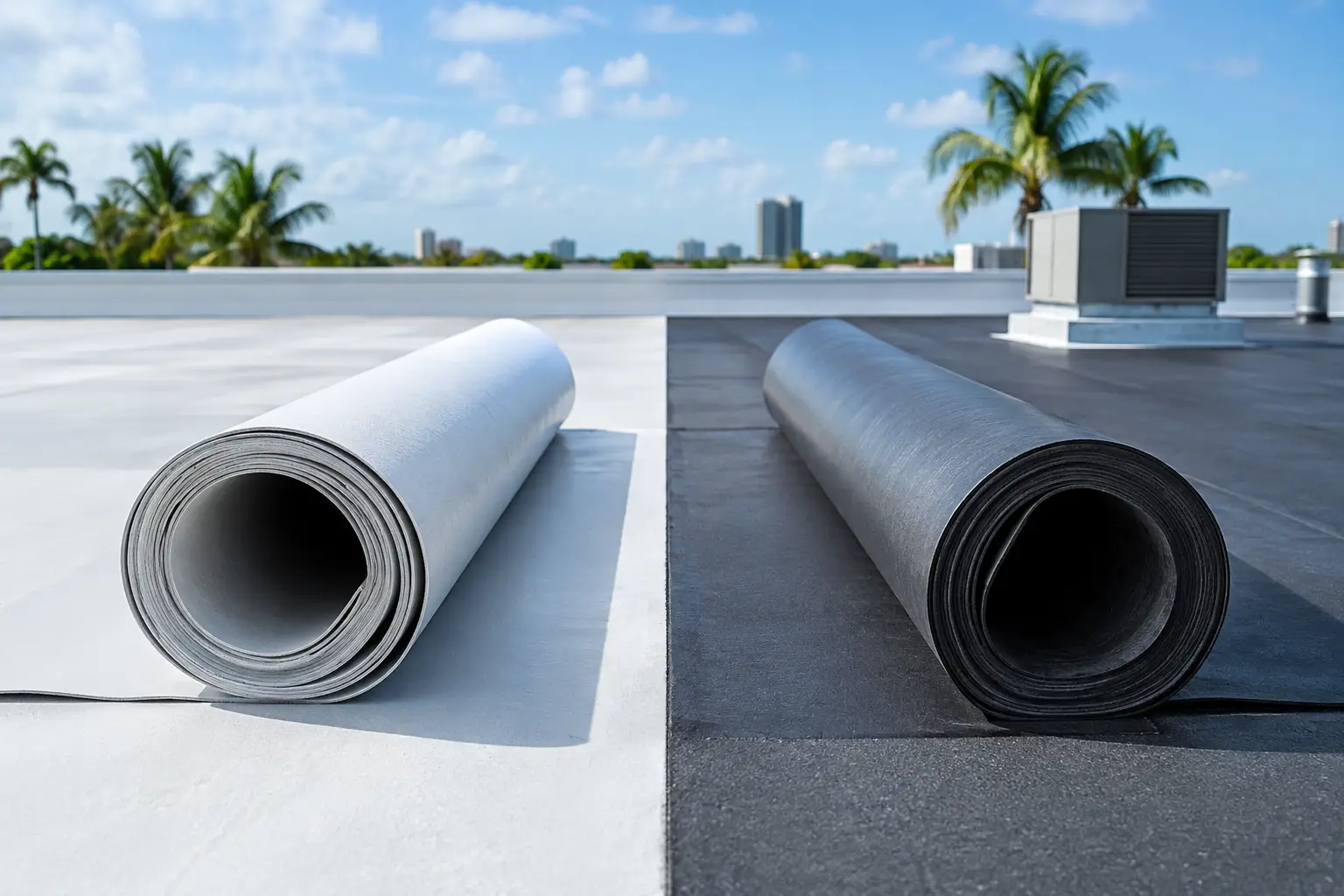
TPO, short for thermoplastic polyolefin, is a single-ply roofing membrane commonly installed in white or light colors. Its seams are heat-welded together, creating a bonded connection designed to resist water intrusion. Because its surface is usually reflective, TPO is often a strong fit for Florida homeowners who want to reduce heat absorption on a low-slope roof.
EPDM is a synthetic rubber membrane. It is traditionally black, although lighter options exist, and its seams are generally sealed with specialized tape and adhesives rather than welded with heat. EPDM has a long history in low-slope roofing and is valued for its flexibility and ability to accommodate movement.
Neither material is automatically the right answer for every roof. A white TPO system may make practical sense over a sun-exposed flat roof where cooling performance is a major concern. EPDM may be considered where flexibility, the existing roof assembly, or a particular detailing condition supports that choice. The best material is the one specified and installed correctly for your home.
TPO EPDM Comparison for South Florida Homes
The climate changes the conversation. In Palm Beach County, a low-slope roof needs a system that manages standing water, intense sunlight, wind uplift, and repeated wet-to-dry cycles. A membrane that performs well in a mild climate may require different installation details here.
Heat and energy performance
TPO's bright white surface reflects a significant amount of sunlight. On a roof with little shade, that can help limit surface temperature and reduce the amount of heat transferred into the building. Homeowners often notice that upstairs rooms, additions, or spaces beneath flat roofs become less uncomfortable after a properly designed reflective roof replacement.
Traditional black EPDM absorbs more heat. That is not always a deal-breaker, especially when the roof has adequate insulation below the membrane. Still, it is an important trade-off in South Florida. If heat control is a priority, the conversation should include the membrane color, insulation value, ventilation where applicable, and the condition of the existing assembly.
Seams and water resistance
TPO's heat-welded seams are one of its defining advantages. When welded at the correct temperature and speed by trained installers, they form a continuous bond that can be highly dependable. The quality of that work matters. An improperly welded seam is not protected simply because the material is TPO.
EPDM seam tape and adhesives can also perform well, but they demand clean surfaces, careful preparation, and proper pressure during installation. Florida's humidity and frequent rain can make jobsite timing especially important. A professional crew plans around weather conditions instead of rushing critical seam work before a storm.
Flexibility and roof movement
All roofs move. Decking expands and contracts, structural components shift slightly, and the membrane responds to changing temperatures. EPDM is known for its rubber-like flexibility, which can be useful around certain roof shapes and details.
TPO is also flexible, but its performance relies heavily on proper attachment and detail work at transitions, penetrations, parapet walls, drains, and edges. On either system, leaks often begin at these areas, not across the open field of the roof. That is why a careful inspection should focus on the whole assembly rather than only the visible membrane.
Drainage Matters More Than the Membrane Label
A flat roof is rarely truly flat. It should be designed with enough slope to direct water toward drains, scuppers, or gutters. Ponding water does not always mean an immediate leak, but it can accelerate wear, expose weaknesses at seams, and make debris buildup more likely.
Before choosing TPO or EPDM, have the roof evaluated for drainage. A contractor may recommend tapered insulation, improved drain placement, repairs to sagging areas, or modifications to the edge system. Installing a new membrane over a roof that holds water in the same places can leave the underlying problem unresolved.
This is also the time to look at rooftop equipment and penetrations. Pipes, curbs, vents, skylights, and wall transitions need compatible flashing details. The roof is only as dependable as the areas where materials meet.
Wind Resistance Is a System Decision
South Florida roof replacements must be designed with wind resistance in mind. The membrane itself is not enough. Wind performance depends on how the insulation is attached, how the membrane is fastened or adhered, the edge-metal design, the deck condition, and the fastening pattern used in designated roof zones.
Mechanically attached TPO uses fasteners and plates beneath overlapping seams. Fully adhered TPO or EPDM uses adhesive across the roof surface. Each approach has specific applications, and the appropriate method depends on the roof deck, building configuration, wind requirements, and manufacturer specifications.
Homeowners should be cautious of simple promises that one material is "hurricane-proof." No roofing material can eliminate storm risk. A correctly designed, code-conscious system installed by a licensed roofing contractor gives your home a far better chance of performing well when severe weather arrives.
What Installation Quality Looks Like
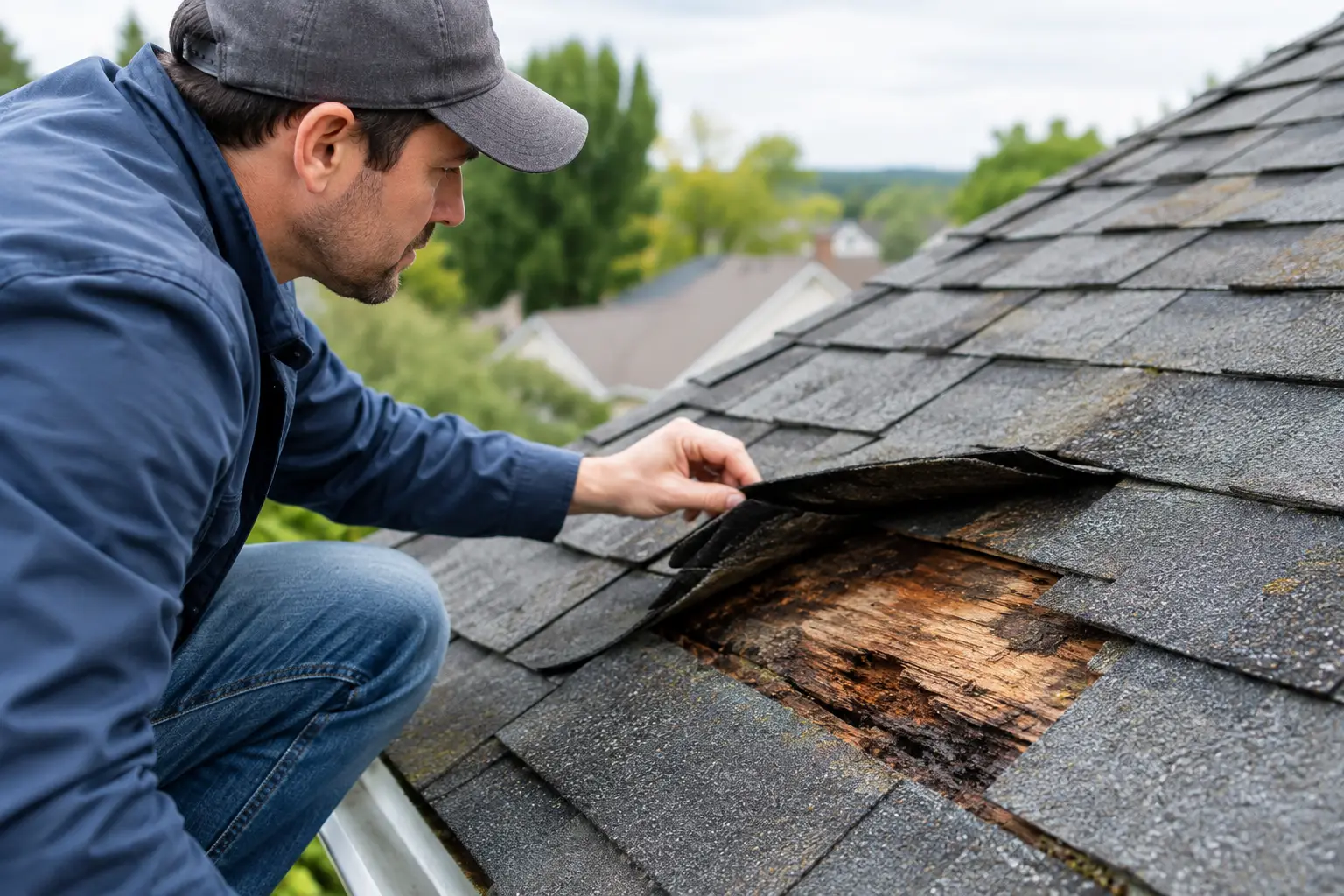
A dependable low-slope roof replacement starts before the new membrane is unrolled. The crew should inspect the deck for deterioration, address wet or damaged components, and prepare a clean, sound substrate. If insulation is part of the project, it should be installed securely and laid out to support drainage and membrane performance.
Details deserve the same attention as the main roof field. Corners, pipe boots, drains, termination bars, wall flashings, and perimeter edges should be completed with compatible materials and according to the selected system's requirements. These are not cosmetic steps. They are the work that helps keep wind-driven rain from finding a path below the membrane.
At 1 OAK Home Improvement Inc., the goal is to give homeowners clear recommendations based on the condition of the roof, the building's needs, and the demands of the Florida climate. A roof replacement should feel organized and accountable, not uncertain from start to finish.
When TPO Is Often the Better Fit
TPO is frequently selected for sun-exposed low-slope roofs in Palm Beach County because the reflective surface can support better heat management. Its welded seams are another meaningful benefit on roofs with many seams or a broad open field exposed to heavy rain.
It can be an especially practical choice when a homeowner wants a modern white membrane system and the roof's drainage, deck, and edge details are in good condition or can be corrected as part of the replacement. TPO is not a shortcut, though. It still requires experienced welding, compatible components, and a complete installation plan.
When EPDM May Still Make Sense
EPDM remains a proven membrane with useful applications. Its flexibility can make it a sensible option for certain roof designs, and an existing EPDM roof may influence the best repair or replacement approach. It may also be selected when a specific assembly calls for it and heat absorption is adequately addressed through insulation or other design choices.
For many Florida homes, the traditional black surface deserves a careful discussion because of solar heat. The right question is not whether EPDM is good or bad. It is whether it is the right system for your roof, your comfort goals, and the way water and wind move across your property.
Questions to Ask Before Choosing a Flat Roof Membrane
Ask whether the current roof has ponding water, soft decking, deteriorated flashing, or recurring leaks around penetrations. Ask how the system will be attached, how the edges will be secured, and how drainage will be improved if water currently sits on the roof.
You should also ask what happens if hidden damage is found once the old roof is removed. A clear scope and straightforward communication help prevent surprises during a project that protects one of your home's most important systems.
The most useful TPO EPDM comparison is not a generic chart. It is an on-site assessment of your roof's slope, exposure, drainage, details, and condition. When those pieces are addressed before installation begins, you can move forward with a roof built to protect your home with less stress and more confidence.