Standing Seam Versus Shingle Roofing Compared
A roof in Palm Beach County has to do more than look good from the curb. It must handle punishing sun, wind-driven rain, humidity, and the demands of hurricane season. When homeowners weigh standing seam versus shingle roofing, the right answer depends on the home, the roof design, long-term plans, and the level of protection they expect from their investment.
Both systems can be excellent when they are properly specified and installed. The biggest difference is not simply material. It is how each roof manages water, wind, heat, maintenance, and the unique conditions of South Florida.
Standing Seam Versus Shingle Roofing at a Glance
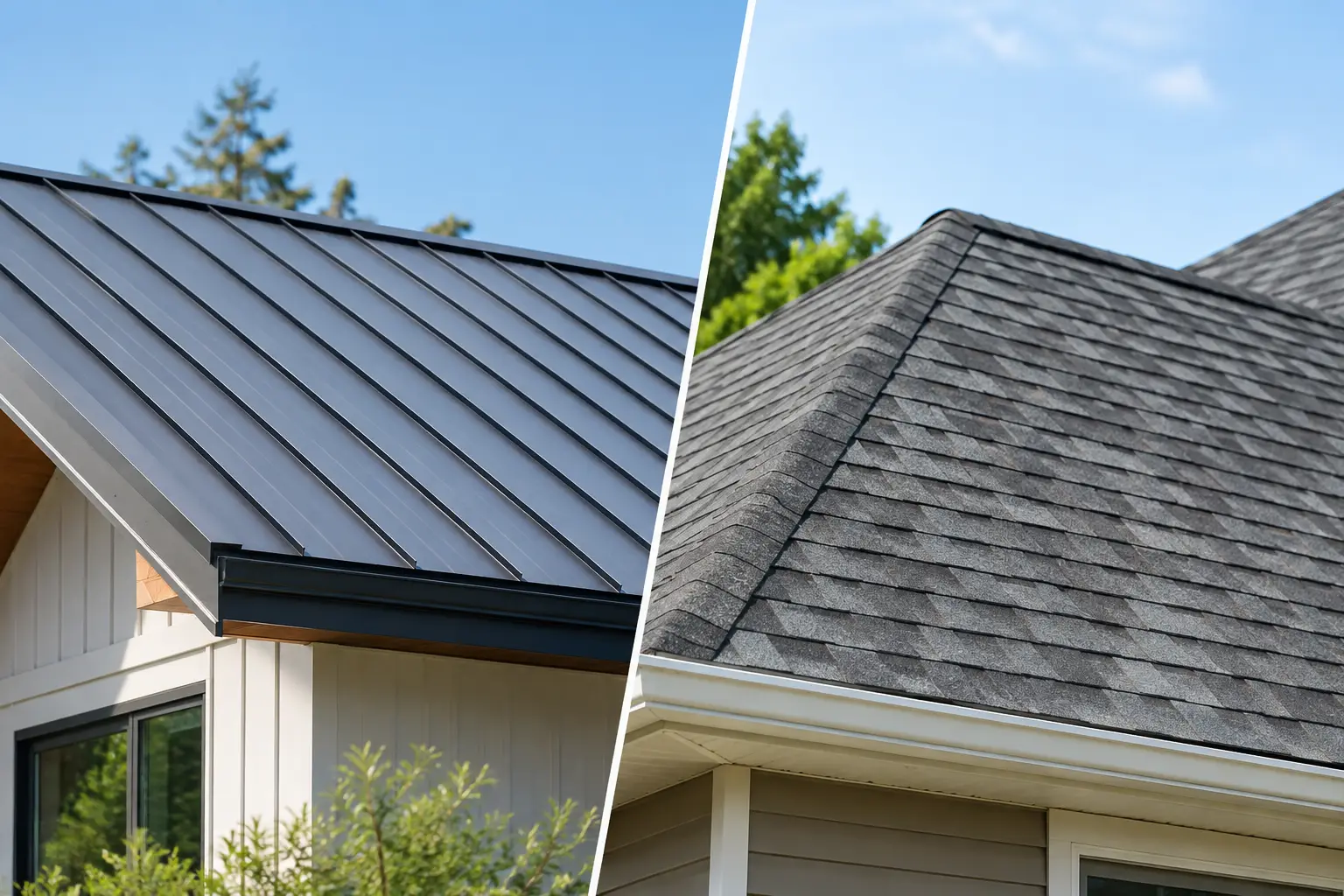
Standing seam is a metal roofing system made from long panels that run from the ridge to the eaves. Its raised vertical seams lock panels together above the flat surface of the roof. Fasteners are generally concealed beneath the panels or clips, reducing the number of exposed points where water can enter.
Shingle roofing uses overlapping individual shingles, most commonly architectural asphalt shingles. Each course sheds water onto the course below it. It is a familiar residential roofing choice with a wide range of colors and styles.
For a simple roof with conventional architecture, shingles may be a practical fit. For homeowners seeking a long-service-life metal roof with a clean, modern profile and fewer exposed fasteners, standing seam deserves serious consideration. Neither material automatically makes a roof hurricane-ready. Correct installation, roof deck condition, underlayment, flashing, fastening, ventilation, and code compliance all matter.
Wind Resistance Matters in South Florida
Wind performance is often the first concern for homeowners in Boynton Beach and throughout coastal Palm Beach County. A roofing system is only as dependable as the way it is attached to the structure.
Standing seam panels can offer excellent wind resistance when the panel profile, gauge, clip system, spacing, edge details, and attachment pattern are engineered for the home and local requirements. Because the seams are raised and the fasteners are concealed, the roof has a streamlined surface with fewer exposed fastener heads. That does not mean every metal roof performs the same. Panel selection and installation details are critical.
Architectural shingles can also be rated for high-wind conditions, but they rely on individual shingles, sealant strips, nails, and proper overlap. Over time, heat, sun exposure, and storm debris can affect individual shingles. A well-installed shingle roof can perform reliably, but it has more separate pieces and more edges exposed to wind than a standing seam panel system.
If your home is close to the coast or exposed to open wind paths, ask your roofer to explain the specific assembly being proposed. The conversation should include perimeter attachment, underlayment, flashing, and how the roof will meet applicable Florida Building Code requirements.
Lifespan and Maintenance Expectations
A standing seam metal roof is commonly chosen for longevity. Quality metal panels resist rot, insects, and the cracking that can affect asphalt materials after years of intense heat. With proper installation and routine inspections, standing seam roofing can serve a home for decades.
Maintenance is still necessary. Homeowners should have the roof inspected after major storms and periodically check for debris, damaged flashing, sealant wear around penetrations, and signs of corrosion. In coastal areas, salt air makes material selection and finish quality especially important. The wrong metal or finish can create avoidable problems over time.
Shingle roofs generally have a shorter expected service life than standing seam metal, especially under South Florida’s UV exposure and weather extremes. Their maintenance needs are straightforward: keep valleys and gutters clear, replace damaged shingles promptly, and monitor flashing around chimneys, vents, skylights, and wall transitions.
Shingle repair can be more localized because individual damaged pieces may be replaced. With metal, repairs can be more specialized depending on the panel layout and source of damage. That is one reason professional installation from the start matters so much.
Heat, Energy Use, and Indoor Comfort
South Florida homeowners feel roofing decisions every time the air conditioner runs. A roof absorbs significant solar heat, and the material, color, attic insulation, ventilation, and ductwork condition all influence indoor comfort.
Standing seam metal is available in reflective finishes that can reduce solar heat absorption compared with darker roofing surfaces. A lighter-colored metal roof may help limit heat transfer into the attic, particularly when combined with appropriate insulation and ventilation. The benefit varies by home. A well-designed attic system matters just as much as the roof covering itself.
Shingles are also available in lighter and more reflective color options. However, asphalt typically absorbs and holds more heat than reflective metal finishes. Homeowners should avoid treating roof color as the only energy decision. A roofing contractor should assess the entire assembly, including ventilation pathways and areas where conditioned air may be escaping.
Some people worry that metal roofs are loud during rain. In a properly built home, metal panels are installed over a complete roof assembly, not directly over the living room ceiling. Decking, underlayment, attic space, insulation, and interior ceilings substantially reduce rain noise. The difference is often far less dramatic than homeowners expect.
Appearance and Home Design
This choice is personal, but architecture should guide it. Standing seam roofing has clean lines that work especially well with contemporary homes, coastal designs, farmhouse-inspired exteriors, and properties where a crisp metal profile complements the elevation. It can make a strong visual statement without looking busy.
Shingles offer a more traditional residential appearance and a broad selection of colors. They can complement many established neighborhoods and homes with more complex rooflines. On roofs with numerous hips, valleys, dormers, or small sections, shingles may also create less visible waste and allow more flexibility around detailed geometry.
Standing seam panels are especially attractive on long, uninterrupted roof planes. Complex roofs can still receive metal roofing, but the layout must be planned carefully. More transitions, penetrations, and changes in direction require skilled detailing to maintain both appearance and weather protection.
Installation Details That Should Never Be Overlooked
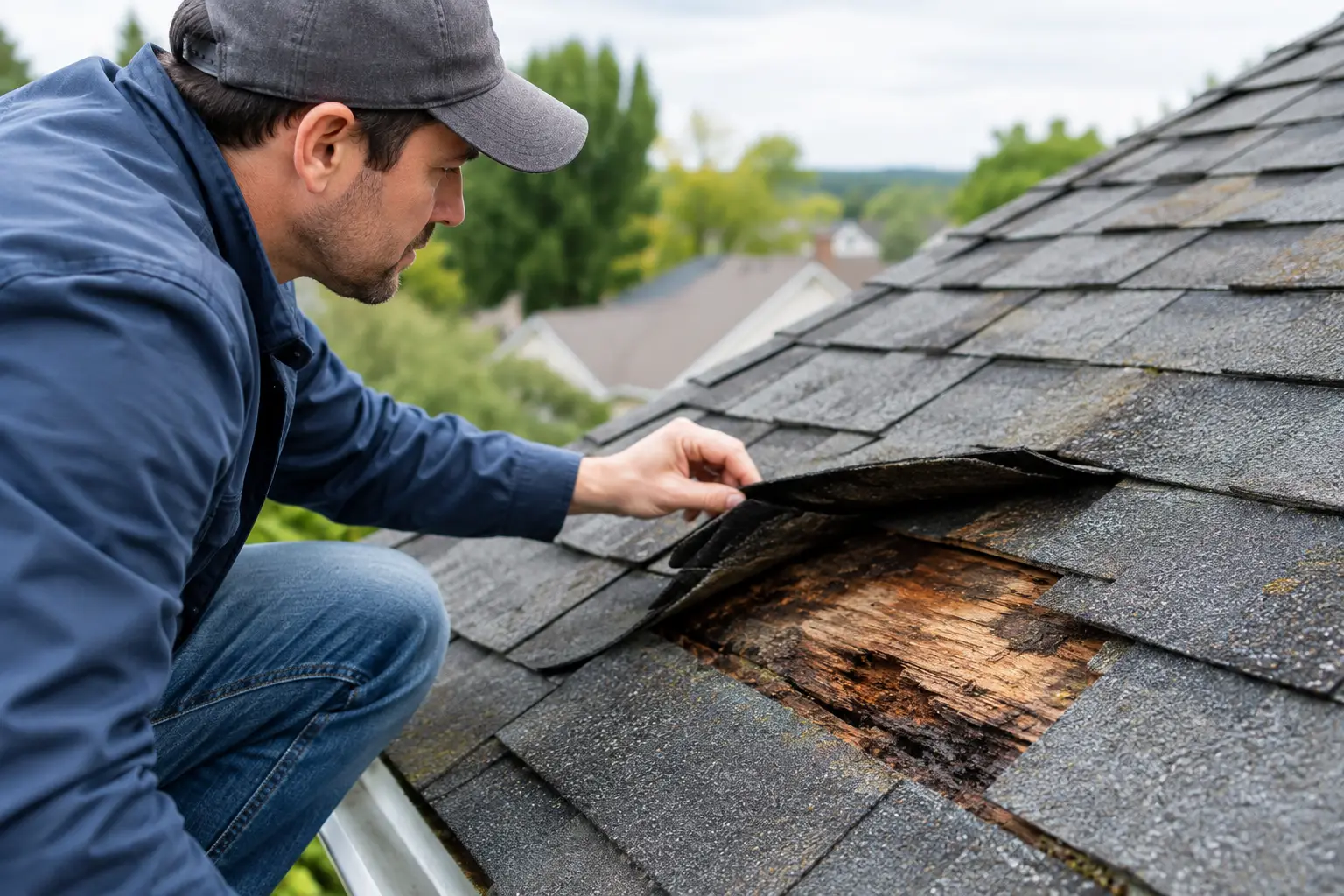
The most durable roofing material can fail if installation shortcuts are taken. Whether you choose standing seam or shingles, the roofing contractor should evaluate the roof deck before covering it. Soft, deteriorated, or water-damaged decking must be addressed so the new system has a solid base.
Underlayment is another essential layer of protection. In South Florida, it must be compatible with the roof system and installed correctly around valleys, eaves, penetrations, and transitions. Flashing details around pipes, vents, walls, chimneys, and skylights deserve close attention because these areas are common sources of leaks.
For standing seam, details such as panel clips, seam engagement, expansion and contraction allowances, trim, and roof penetrations should be handled by installers experienced with the specific system. For shingles, correct nail placement, starter courses, ridge caps, and sealed edges are just as important.
A professional estimate should clearly identify the proposed roof system and the work involved. You deserve to know what will be installed on your home, not just the name of the top-layer material.
Which Roofing Option Fits Your Home?
Choose standing seam when long-term durability, a modern appearance, reflective finish options, and strong wind-focused detailing are priorities. It can be an excellent option for homeowners planning to stay in their home for many years or those who want a premium roofing system designed for Florida conditions.
Choose architectural shingles when you prefer a familiar look, have a complex roof design, or want a dependable roof system that can be tailored to your home’s style and local requirements. Shingles remain a proven choice when installed with quality materials and careful workmanship.
The best decision is based on a roof-specific evaluation, not a one-size-fits-all recommendation. Roof pitch, exposure, drainage, attic conditions, coastal proximity, architectural style, and existing deck condition all influence the right system.
Your home is one of your greatest investments, and its roof should provide confidence when the next heavy storm arrives. A careful on-site evaluation from a licensed, insured roofing contractor can help you choose a system that protects the property, complements the home, and gives you fewer reasons to worry when the weather turns.