Roof Coating Comparison for South Florida Homes
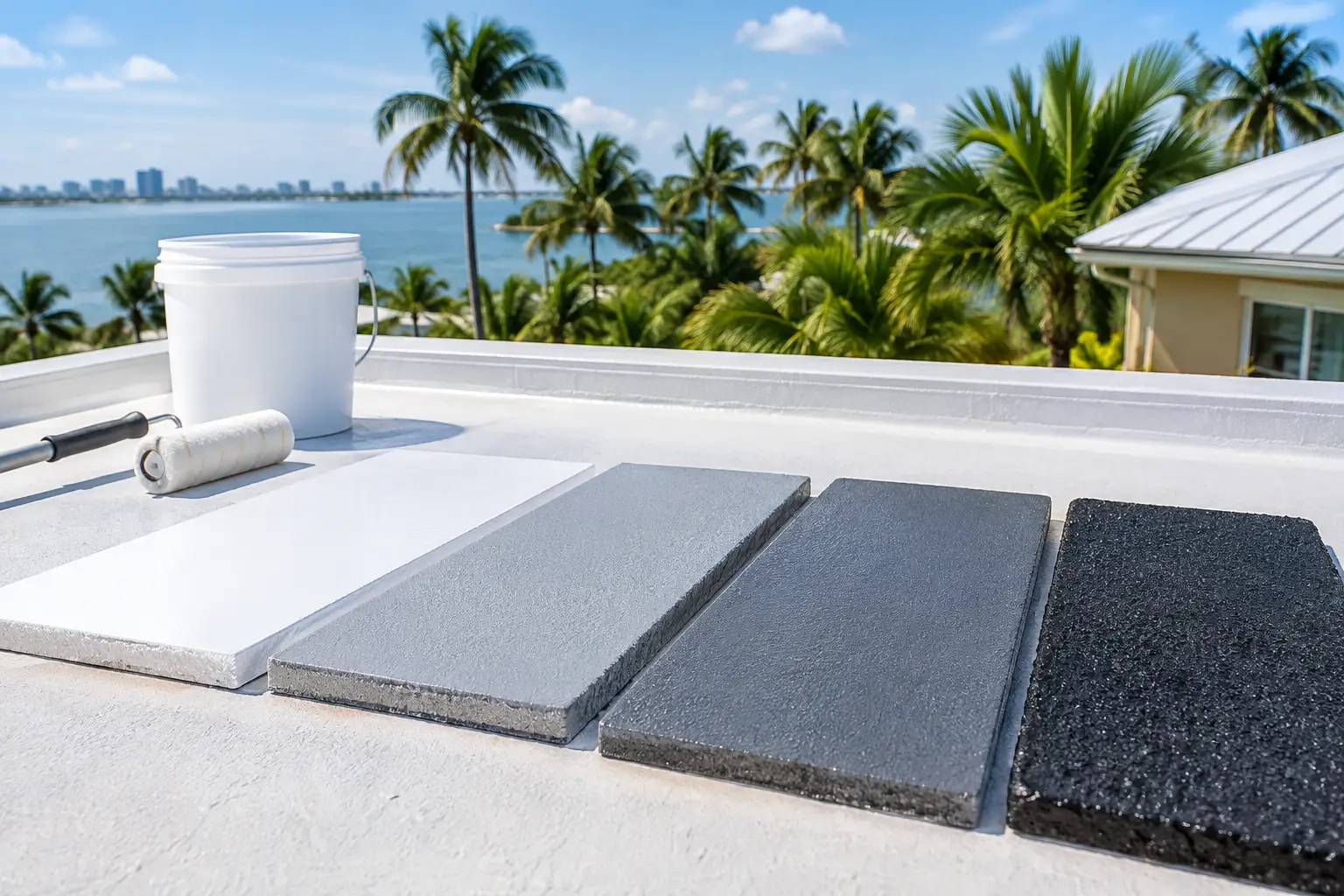
A roof coating can be a smart way to extend the life of a qualified flat or low-slope roof in Palm Beach County. But a coating is not a one-size-fits-all repair, and choosing by color or a single warranty claim can lead to disappointment. A proper roof coating comparison starts with the roof beneath it: its material, drainage, age, seam condition, and whether active leaks have already damaged the system.
For homeowners in Boynton Beach and surrounding South Florida communities, that distinction matters. Our roofs take on intense UV exposure, sudden heavy rain, humid conditions, wind-driven water, and debris from tropical weather. The right coating can help protect a sound roof and reflect heat. The wrong application can trap problems below the surface or fail early when standing water and weak seams are left unaddressed.
When a Roof Coating Makes Sense
Roof coatings are liquid-applied systems that cure into a continuous protective membrane. They are most often used on flat and low-slope roofs, including certain modified bitumen, built-up, metal, and single-ply roof systems. The coating can help renew the weathering surface, improve water resistance, and reduce heat absorption when a reflective finish is used.
A coating is generally worth considering when the existing roof is still structurally sound, the insulation and deck are dry, and repairs can resolve localized issues such as small splits, deteriorated sealant, or worn flashing details. It is a restoration approach, not a substitute for a failed roof system.
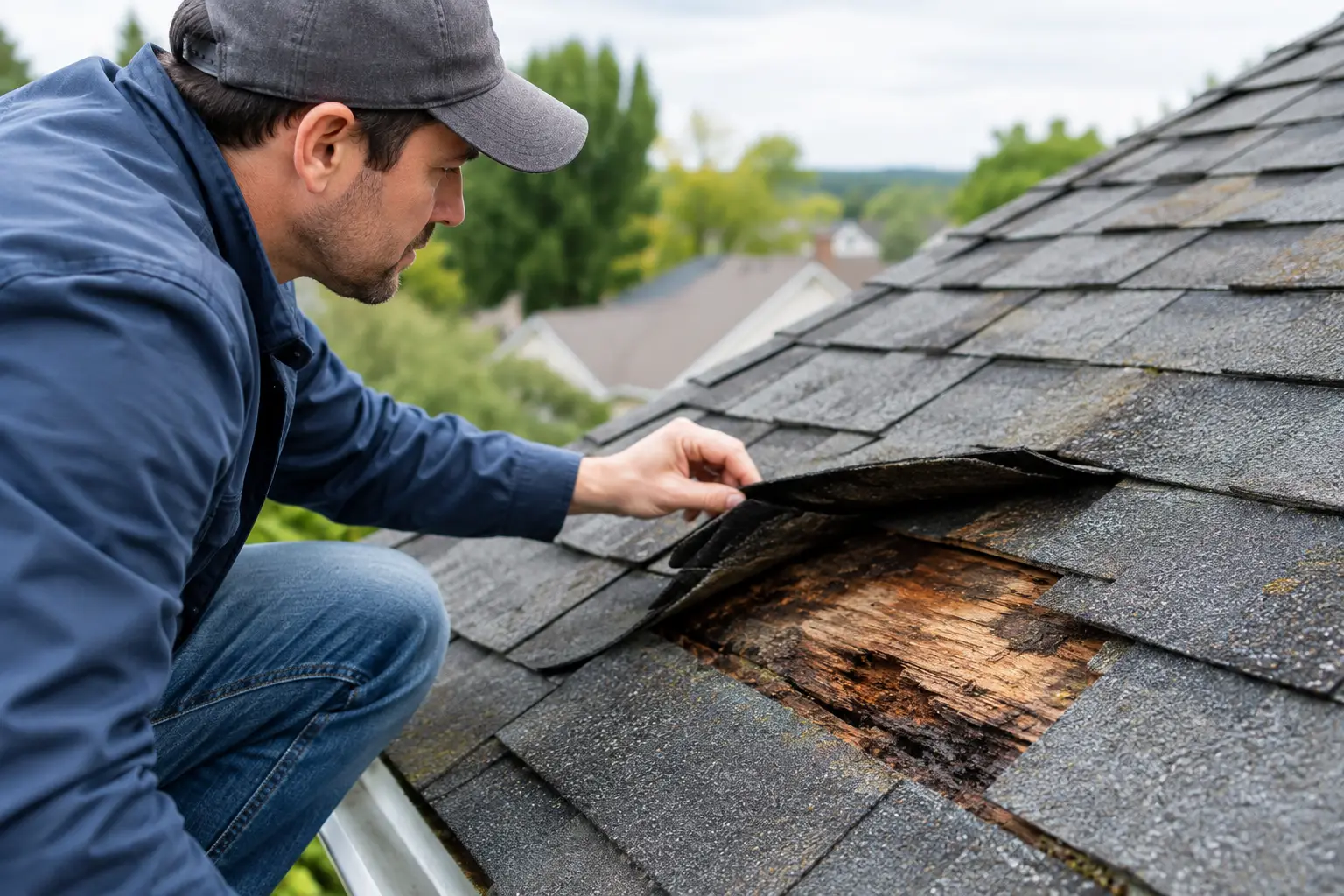
If the roof has widespread moisture intrusion, soft decking, major blistering, severe deterioration, repeated leak locations, or poor drainage that cannot be corrected, roof replacement may be the better investment. A contractor should inspect these conditions before recommending any coating. Protecting your home means addressing the cause of a problem, not simply covering its visible symptoms.
Roof Coating Comparison: The Main Options
The best product depends on the roof substrate and its exposure conditions. Here is how the most common coating categories compare for South Florida properties.
Acrylic coatings
Acrylic coatings are water-based and widely used for their bright, reflective finish. They perform well in sunny climates and can help lower the roof surface temperature, which may reduce heat gain into the home or building. They are also a practical choice for many roofs with positive drainage.
Their limitation is ponding water. Acrylic systems generally do not perform as well when water remains on the roof for extended periods. On a roof where drains, scuppers, or slope leave puddles after rain, drainage repairs should come first or another coating may be a better fit. Acrylic coatings also need suitable weather conditions during installation so they can cure properly.
Silicone coatings
Silicone coatings are known for strong moisture resistance and for handling standing water better than many acrylic options. This can make them a good candidate for certain low-slope roofs that see frequent rain and slow drainage. They also hold up well under intense UV exposure, an important consideration in coastal Florida.
The trade-off is that silicone can collect dirt over time, reducing some of its reflectivity if the roof is not maintained. Future recoating also requires the correct preparation and compatible material. Silicone is not automatically the right answer for every roof, but it deserves serious consideration where ponding water is a documented concern.
Polyurethane coatings
Polyurethane coatings are durable and offer strong resistance to foot traffic and physical impact. They can be useful on roofs with service paths, equipment access, or surfaces that need added toughness. Some systems use a base coat designed for adhesion and a protective topcoat for UV exposure.
This performance can be valuable, but polyurethane systems are more sensitive to proper surface preparation. The roof must be clean, dry, and correctly primed where required. For a homeowner, the takeaway is simple: a coating's performance is only as reliable as the preparation underneath it.
Asphalt-based and aluminum coatings
Asphalt-based coatings and aluminum reflective coatings have long been used on some built-up and modified bitumen roofs. They may be appropriate for specific maintenance applications and roof assemblies. However, they do not offer the same performance profile as modern fluid-applied restoration systems, particularly when a highly reflective, elastomeric surface is the goal.
These coatings should be selected based on compatibility with the existing roof, not as a generic shortcut. Applying an incompatible material can create adhesion issues and make future repairs more difficult.
What Matters More Than the Coating Type
Homeowners often focus first on whether acrylic or silicone is better. That is a fair question, but the roof's condition is usually the bigger deciding factor. A quality roof coating project begins with inspection, cleaning, repairs, and detail work around penetrations, flashing, seams, drains, and edges.
The roof must be thoroughly cleaned so the coating can bond correctly. Loose material, dirt, mildew, old failing sealant, and moisture can all interfere with adhesion. Cracks and weak seams need repairs before the field of the roof is coated. If water is getting in around a vent, drain, pipe penetration, or wall transition, applying coating over it without repair is not a lasting solution.
Application thickness matters too. Coatings are installed to meet a specified dry-film thickness, not simply rolled on until the roof looks white. Thin spots can wear faster. Missed details can become leak points. On a large roof, consistency across the entire surface is part of what separates a dependable restoration from a cosmetic coating job.
Heat Reflection and Energy Benefits
A white or light-colored reflective coating can reduce how much solar heat the roof absorbs. On flat roofs that receive direct sun all day, this can make a noticeable difference in roof surface temperature. It may also support lower cooling demand, especially where insulation and attic or ceiling conditions are already in good shape.
Still, energy savings vary. The size of the roof, insulation levels, air conditioning use, roof color, shade, and building design all influence the result. A coating should be viewed first as a roof-protection decision, with potential energy benefits as an added advantage.
Roof Coating vs. Roof Replacement
The key question is not, “Can this roof be coated?” It is, “Will coating this roof protect the property for the years ahead?” A restoration can be an excellent option for an eligible low-slope roof that has weathered but remains fundamentally sound. It can limit tear-off waste, renew the surface, and postpone the need for replacement.
Replacement is often the more responsible choice when the roof system has reached the end of its service life. This is especially true if leaks have spread below the membrane, the deck is compromised, or repairs have become frequent. No coating can restore rotten wood, saturated insulation, or a roof that has lost its ability to shed water.
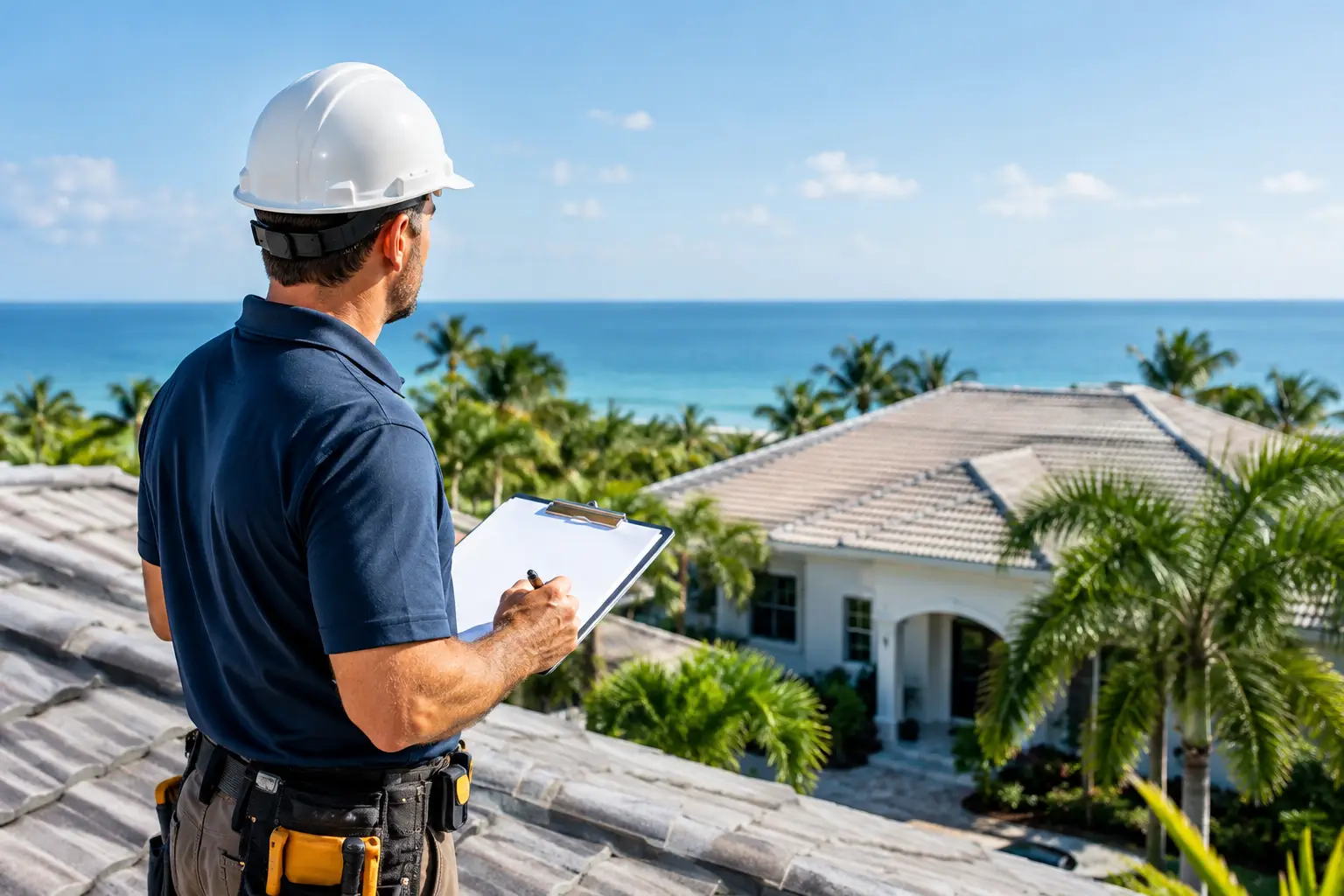
A professional assessment should explain what is repairable, what needs replacement, and why. Homeowners deserve a clear recommendation based on the roof in front of them, not a generic sales pitch.
Questions to Ask Before Choosing a Coating
Ask what roof material you have and whether the proposed coating is designed to adhere to it. Ask whether the inspection found trapped moisture, weak seams, damaged flashing, or drainage problems. You should also understand how the roof will be cleaned, what repairs are included, how thickness will be controlled, and what maintenance the finished system will need.
For homes and commercial properties near Boynton Beach, it is also wise to ask how the system will perform during heavy rain and long periods of sun exposure. Coastal conditions demand careful attention to details, especially around edges, drains, penetrations, and transitions where wind-driven rain can find a path inside.
1 OAK Home Improvement Inc. helps homeowners evaluate whether a roof coating is a practical restoration option or whether a more complete roofing solution will better protect the property. The goal is straightforward: clear recommendations, quality workmanship, and a roof you can rely on when the weather turns.
The best coating is never just the one with the strongest label claim. It is the system that matches your existing roof, corrects the issues already present, and is installed with the care your home deserves.