Residential Window Installation in Palm Beach
A cracked pane, stubborn sash, or window that rattles during a summer storm is more than an inconvenience in South Florida. Residential window installation can improve security, reduce outside noise, help control indoor comfort, and give your home stronger protection when severe weather arrives. The result, however, depends as much on the installation as it does on the window itself.
For homeowners in Boynton Beach and throughout Palm Beach County, replacing windows is a high-stakes property decision. Your home is one of your greatest investments. You need a contractor who measures carefully, explains the work clearly, respects your property, and completes each opening with the attention it deserves.
Why Residential Window Installation Matters
A window is a complete system, not just glass in a frame. Its performance depends on the product selected, the condition of the opening, proper fastening, flashing and sealing methods, and final adjustments. Even a high-quality impact window can fall short if it is forced into an out-of-square opening, sealed poorly, or finished without the right care.
In a coastal climate, small installation details have a big effect. Wind-driven rain can find gaps around a frame. Humidity and intense sun place constant demands on seals and surrounding materials. During hurricane season, homeowners need confidence that their impact-rated windows and doors were installed according to applicable requirements, not simply placed in an opening and covered with caulk.
When the job is done correctly, homeowners often notice practical changes right away. Rooms may feel quieter. Old drafts and water intrusion concerns can be reduced. Windows operate more smoothly, locks engage securely, and the exterior has a cleaner, more updated appearance. For many properties, new windows also support curb appeal and long-term resale value.
Choosing Windows for a South Florida Home
The right window is not always the most elaborate option. It is the product that fits your home, your opening configuration, your exposure to wind and rain, and the way your family uses each room.
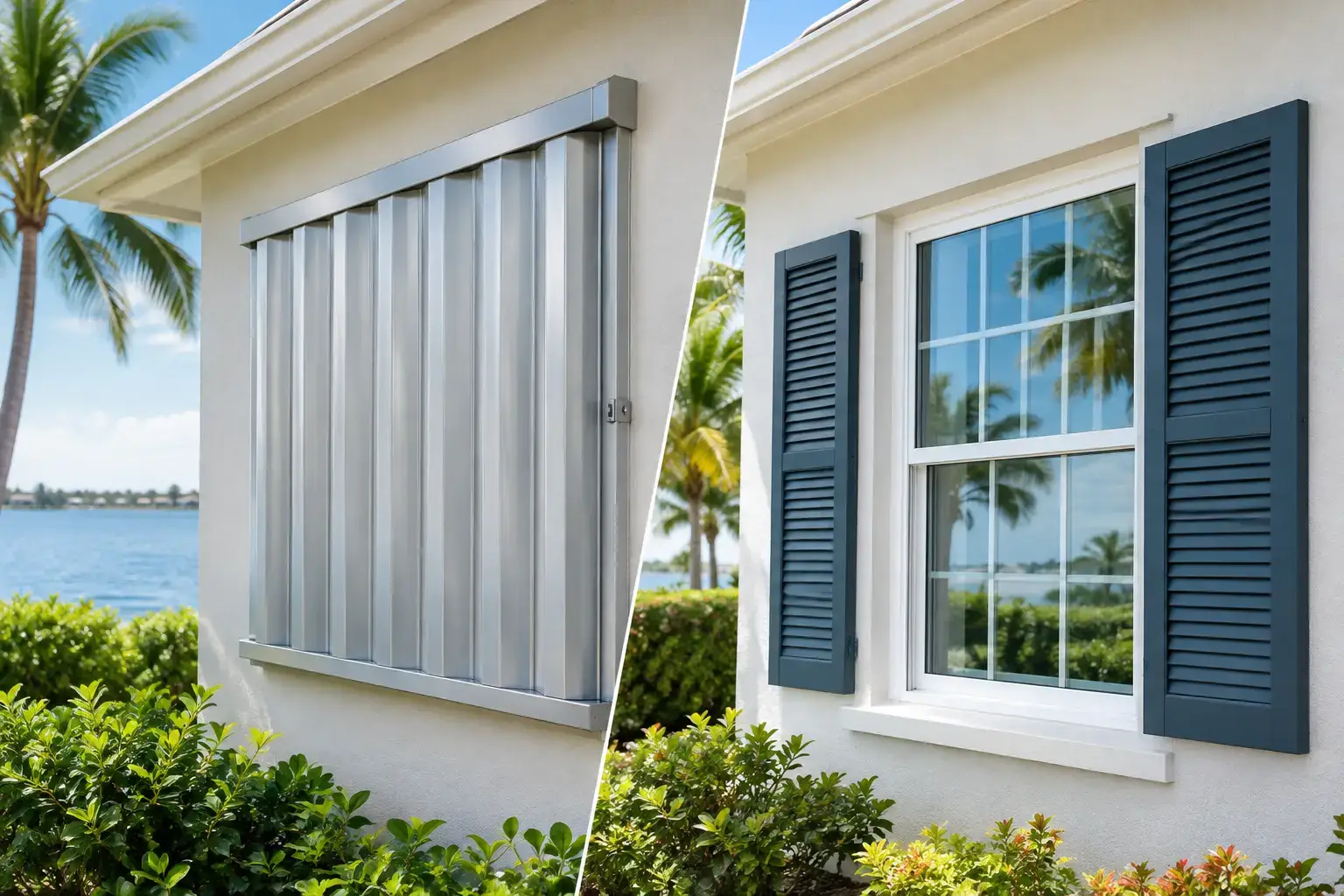
Impact windows are a common choice in Palm Beach County because they are designed to resist specified wind pressures and impact conditions when properly approved and installed. They can offer year-round security benefits in addition to storm protection. Unlike temporary storm panels, they remain in place and are ready when conditions change. That convenience matters when a tropical system develops quickly.
Still, impact glass is not the only decision. Homeowners should consider the window style. Single-hung windows are familiar and practical in many homes. Horizontal rollers can suit wide openings and patios. Casement windows provide a different operating style and can be useful where a homeowner wants a more open view. Picture windows maximize glass area but do not open for ventilation. The best layout may combine several styles across the home.
Frame material, tint, grid pattern, and glass options also affect the finished result. A dark frame can create a sharp, modern contrast, while a lighter frame may suit a traditional South Florida exterior. Glass selection can influence visible light, heat gain, and privacy. These choices should complement the home without sacrificing the performance requirements of the specific opening.
Start With the Existing Opening
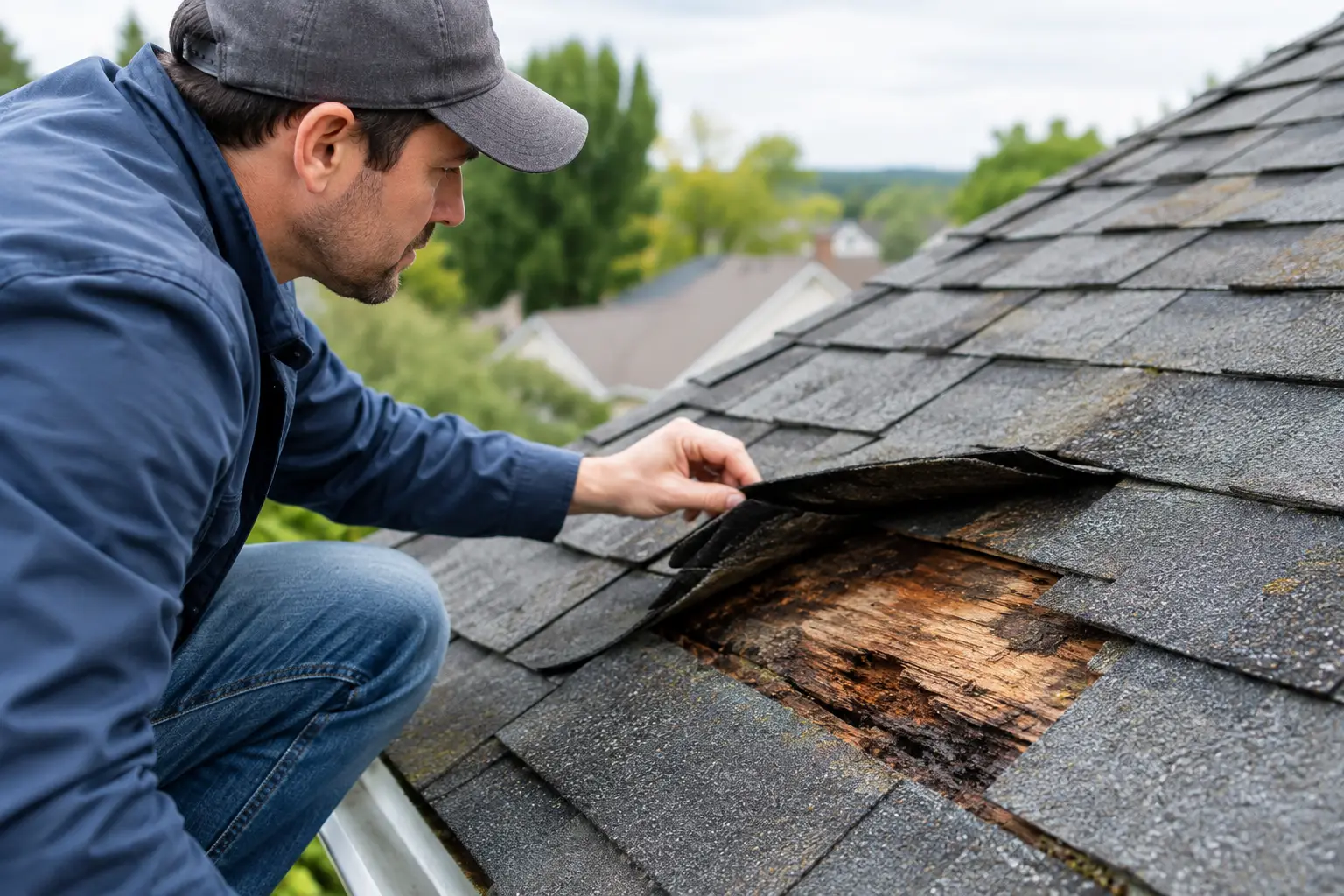
Before ordering anything, a qualified contractor should evaluate more than the visible glass. They should inspect the opening dimensions, wall condition, surrounding stucco or siding, existing water damage, and the condition of nearby trim. Older homes sometimes reveal hidden issues once an original window is removed. Addressing those conditions correctly protects the new investment.
This is also the time to discuss windows that are difficult to reach, second-story access, interior finishes, shutters, and nearby landscaping. Honest planning prevents surprises and helps establish a realistic work sequence.
What to Expect During Installation
A professional residential window installation begins with accurate measurements and product verification. Each opening is checked because homes shift over time, and windows that appear identical from the street may vary slightly in size. The contractor should confirm the style, frame color, glass configuration, and operating direction before installation day.
Permitting is another essential part of the process in South Florida. Requirements vary by municipality and property type, but permits and inspections are intended to verify that work meets local standards. A licensed and insured contractor can guide the project through the appropriate process and provide clear expectations about timing.
On installation day, the crew should protect nearby flooring, furnishings, landscaping, and exterior surfaces as needed. Removing an old window may create dust and noise, particularly when stucco must be carefully cut back or repaired. Good preparation limits disruption and keeps the work area organized.
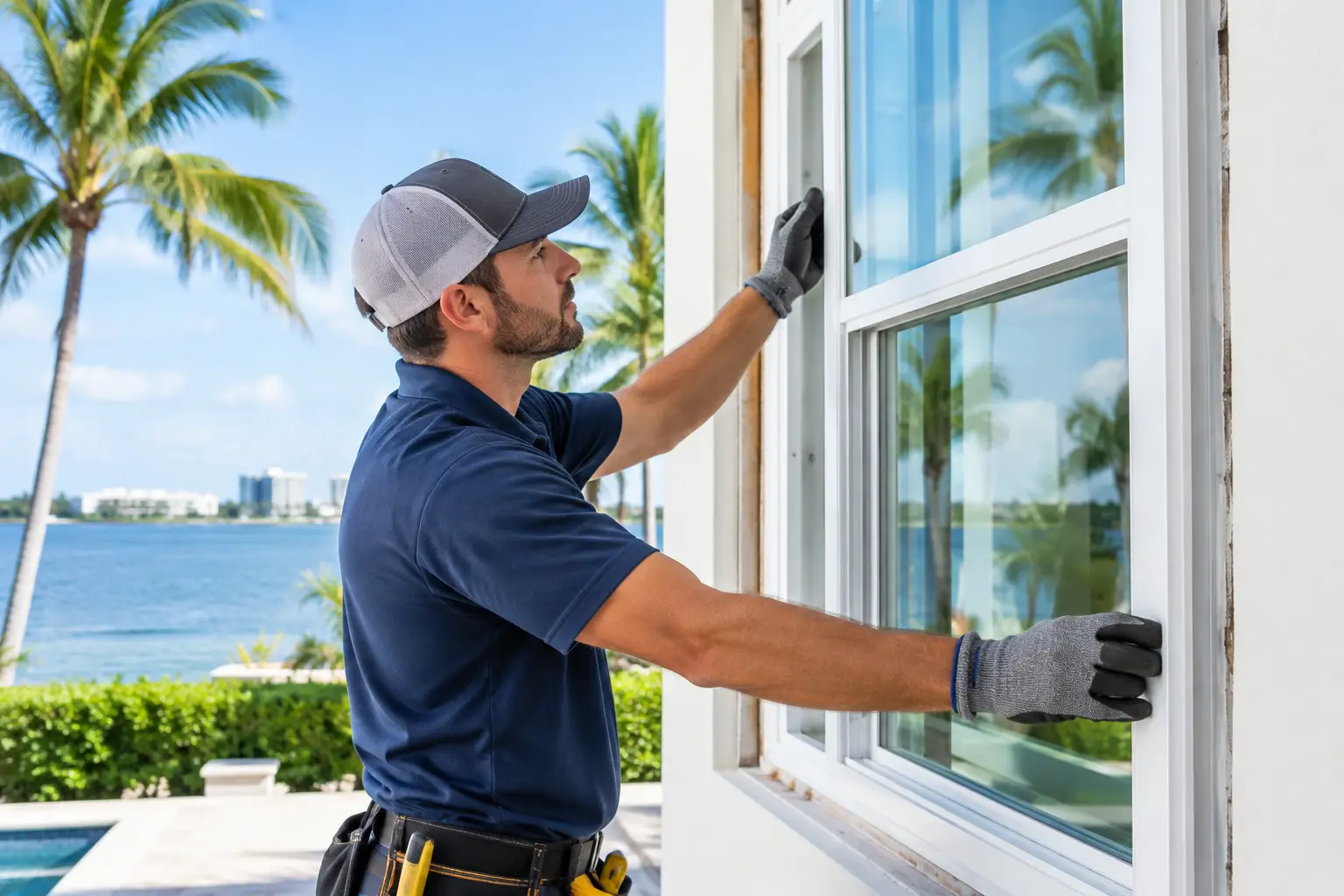
Once the existing unit is removed, the opening is inspected again. The new window must be positioned level, plumb, and square so it operates correctly. It is then secured using the appropriate fasteners and installation method for the approved product and wall condition. Sealing and finishing are completed with attention to water management, exterior appearance, and a clean transition between the frame and the wall.
After installation, every operable window should be tested. It should open, close, lock, and align as intended. The crew should remove debris, clean the work area, and explain basic operation and care. If an inspection is required, the final steps should be coordinated so the project is properly closed out.
Installation Timelines Depend on the Home
Homeowners often ask how long window replacement takes. The answer depends on the number of openings, window types, access, weather, permitting, and whether the surrounding structure needs repair. A straightforward replacement may move efficiently once materials arrive. A larger project with custom shapes, multiple stories, or stucco restoration will naturally require more coordination.
The most reliable approach is not to rush the critical steps. Proper measurement, scheduling, protection, installation, and inspection are what create a result that looks finished and performs as expected.
Questions Worth Asking Your Contractor
You do not need to be a construction expert to make a confident choice. You do need clear answers. Ask whether the contractor is licensed and insured, who will perform the work, how they protect your home, and how they handle permits and inspections. Ask what product approval applies to the windows being installed and how the crew will address any concealed deterioration found around an opening.
It is also reasonable to ask about the expected finish at the exterior and interior. Window replacement can involve caulking, trim work, drywall touch-up, or stucco repair depending on the home and the scope. Clarifying those details before work begins helps everyone share the same expectations.
Be cautious of vague explanations that focus only on the glass or only on the lowest initial number. A window project should be evaluated as a complete installation. Quality materials, careful workmanship, clear communication, and accountability all matter long after the crew leaves.
Preparing Your Home for Window Replacement
A little preparation makes installation day easier. Move fragile items from window sills and nearby walls, including artwork and shelves that may be affected by vibration. Clear a path to each window inside the home, and make arrangements for pets to stay safely away from active work areas.
Outside, trim back plants that block access when possible and move patio furniture or decorative items away from the work zone. If you have alarms, sensors, blinds, or shutters connected to the windows, discuss them with the contractor in advance. Small details like these help the crew work efficiently while protecting your property.
At 1 OAK Home Improvement Inc., the focus is straightforward: precision, punctuality, and professionalism for homeowners making major exterior upgrades. A well-planned window project should feel organized from the first measurement through the final walkthrough.
The best time to address failing windows is before a leak, storm, or security concern forces a rushed decision. Schedule a professional assessment, ask direct questions, and choose an installation team that treats every opening as part of your home's protection. That care is what turns new windows into lasting peace of mind.