Modified Bitumen Versus TPO Roofing for Florida Homes
A low-slope roof in Palm Beach County has a demanding job. It must handle relentless sun, heavy rain, humid conditions, standing water risks, and high-wind weather without becoming a source of stress for the homeowner. When comparing modified bitumen versus TPO roofing, the right answer depends less on which material sounds better and more on your roof’s slope, drainage, deck condition, layout, and installation details.
Both systems can be excellent choices for residential flat and low-slope roof sections. The difference is in how they are built, how they manage Florida weather, and what kind of maintenance makes sense for your property.
Modified Bitumen Versus TPO Roofing: The Core Difference
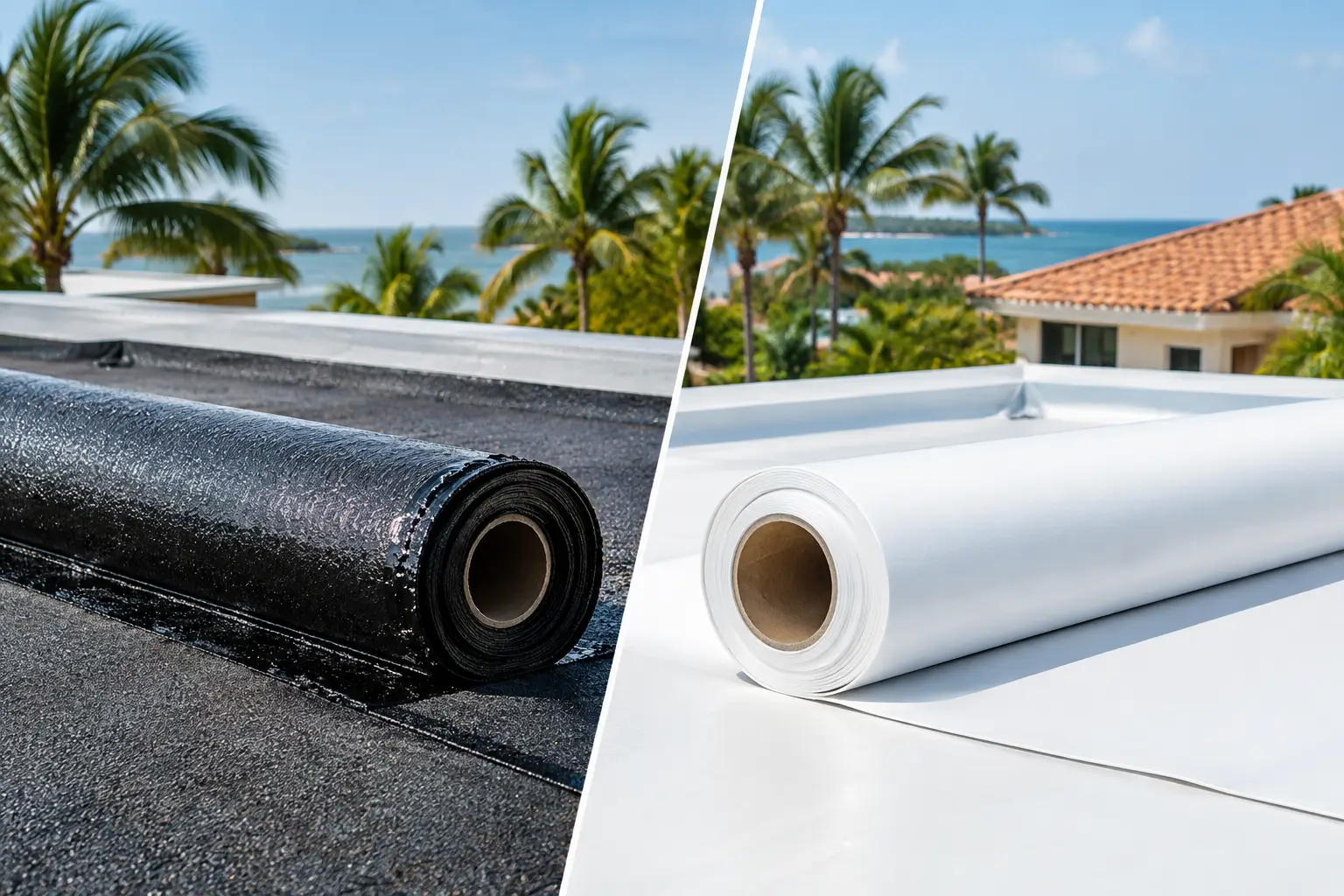
Modified bitumen is an asphalt-based roofing system reinforced with polymers to improve flexibility and weather resistance. It is typically installed in multiple layers, including a base sheet and a finished cap sheet. Depending on the system, the material may be self-adhered, cold-applied, or installed using another approved method.
TPO, short for thermoplastic polyolefin, is a single-ply membrane. Large sheets of TPO are installed across the roof surface, while the seams are heat-welded together. It is commonly available in white and other light colors that reflect a significant amount of sunlight.
That construction difference matters. Modified bitumen relies on layered protection and asphalt-based durability. TPO relies on a continuous membrane with welded seams and a highly reflective surface. Neither is automatically the best roof for every home.
How Florida Heat Affects Each Roofing System
South Florida sun puts pressure on every roofing material. A roof that absorbs heat can make the roof surface hotter and place additional demand on attic ventilation and air conditioning systems.
TPO is often selected for its reflective white surface. On a low-slope roof with broad, open exposure, that reflectivity can help reduce surface temperatures and may support better energy performance. Homeowners who have a flat roof over a living space often appreciate this benefit, particularly when the existing roof is dark and heat-absorbing.
Modified bitumen has traditionally been associated with darker cap sheets, although reflective cap sheets and roof coatings are available. A properly specified reflective modified bitumen system can improve solar reflectance while preserving the layered construction many property owners prefer.
The practical question is not simply whether you want a white roof. It is whether the entire roofing assembly, including insulation, drainage, flashing, and ventilation where applicable, is designed to manage heat effectively.
Water Management Is Often the Deciding Factor
A roof membrane is only part of the water-management system. On low-slope roofs, drains, scuppers, gutters, crickets, transitions, and the roof’s overall pitch all affect performance.
TPO is well suited to low-slope applications when the roof is properly prepared and drained. Its welded seams can create a strong, continuous waterproof surface. However, standing water should never be treated as normal just because a roofing membrane is designed for low-slope use. Persistent ponding can reveal drainage issues, trap debris, and make future inspections more difficult.
Modified bitumen is also a strong option where water resistance is a priority. Its multi-layer design provides redundancy, which can be reassuring on roofs with many details, transitions, or penetrations. The finished cap sheet can also provide a durable walking surface for roofs that need periodic access for HVAC equipment or other service needs.
Before choosing either system, a qualified roofing contractor should identify why water collects where it does. Replacing the membrane without correcting poor drainage can leave the new roof facing the same avoidable problem.
Wind Resistance Comes Down to Design and Installation
In Boynton Beach and throughout coastal South Florida, wind uplift is not an afterthought. The performance of a flat roof during severe weather depends on the complete system, not just the membrane printed on the proposal.
For TPO, attachment may be mechanically fastened, fully adhered, or installed through another approved assembly. The attachment pattern, fastener selection, substrate, perimeter detailing, and flashing work together to resist uplift. Heat-welded seams need to be completed consistently, especially around penetrations and roof edges.
Modified bitumen systems can also be engineered for high-wind conditions. Because they are built in layers, they offer substantial material thickness and reinforcement. Still, a layered system only performs as intended when the substrate is prepared correctly and the flashing, edge metal, and transitions are properly installed.
The roof perimeter deserves special attention. Corners and edges often experience greater wind forces than the center of the roof. A dependable replacement includes careful attention to these areas, along with the deck condition beneath the roofing material.
Installation Details Matter More Than Marketing Claims
A well-installed roof can provide confidence for years. A poorly installed premium material can create leaks quickly. That is why homeowners should focus on the contractor’s inspection process and scope of work, not material names alone.
TPO installation requires clean, properly prepared surfaces and skilled seam welding. The crew must account for penetrations, drains, curbs, wall transitions, and termination points. Even small details can affect how the roof sheds water and how easily it can be serviced later.
Modified bitumen installation also requires precision. Adhesion between layers, proper laps, flashing integration, and cap-sheet placement must be completed with care. Some homeowners prefer modified bitumen because its layered design feels more substantial underfoot and offers visible durability at vulnerable roof details.
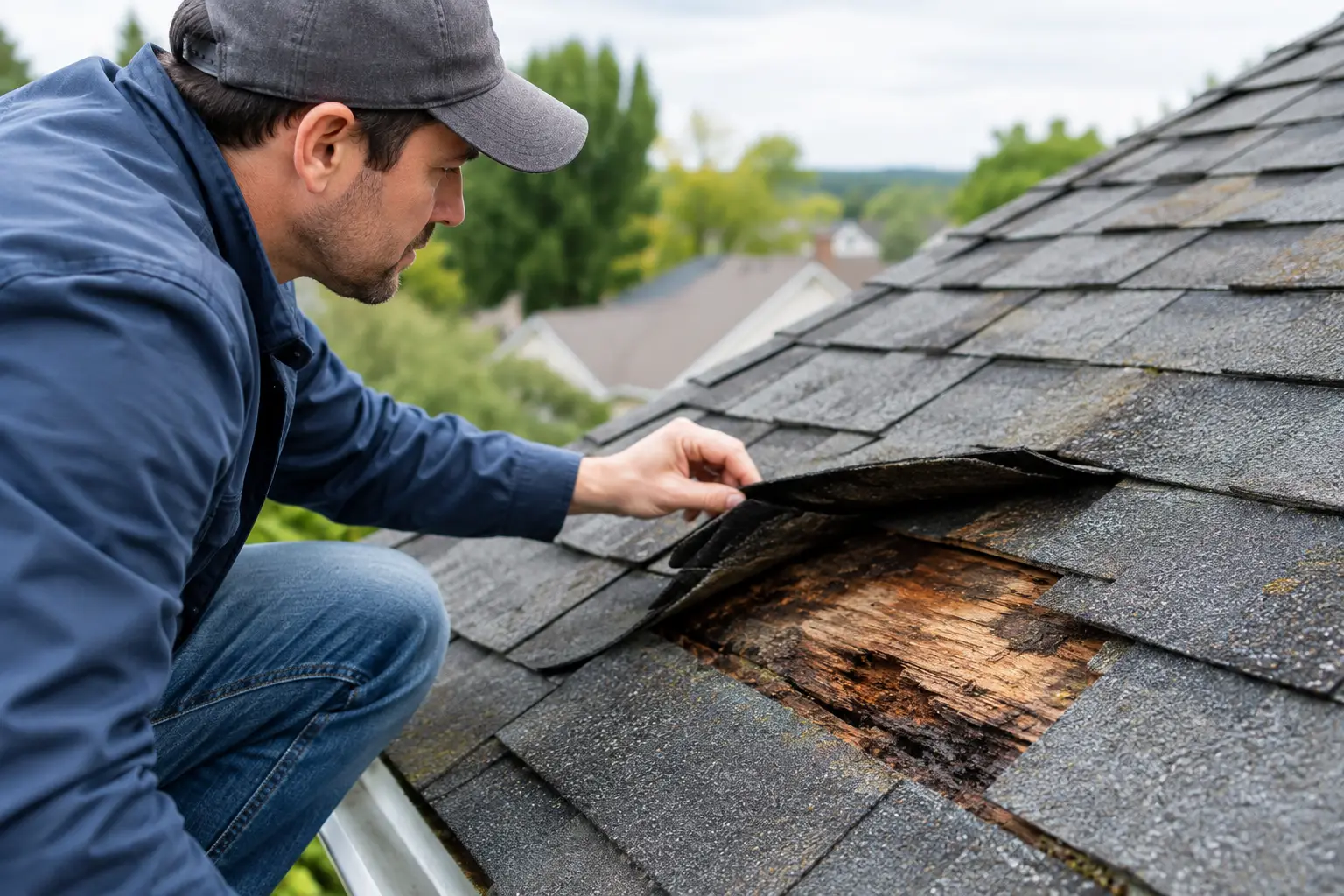
For either option, existing wet insulation, deteriorated decking, damaged fascia, or failed flashing should be addressed during the replacement process. Covering over hidden damage may save time initially, but it can create a larger repair later.
Comparing Maintenance Needs
No roof should be installed and forgotten. Florida storms, falling debris, salt air near the coast, and rooftop equipment activity make periodic inspections a smart part of property care.
TPO roofs should be checked for punctures, seam condition, debris accumulation, and areas around drains and penetrations. Sharp objects and repeated foot traffic can damage a single-ply membrane, so designated walk pads may be appropriate near service areas.
Modified bitumen roofs should be inspected for surface wear, cracks, blisters, loose flashing, and granule loss on applicable cap sheets. The material is durable, but its condition should be monitored, especially after major storms or when roof-mounted equipment has been serviced.
For both systems, keeping drains and scuppers clear is one of the simplest ways to protect the roof. Water that cannot exit the roof efficiently creates unnecessary stress on the entire assembly.
When TPO May Be the Better Choice
TPO can be an excellent fit for homeowners who want a reflective, modern single-ply membrane on a low-slope roof. It is especially practical for broad roof areas with straightforward layouts and good drainage. The white surface can be a meaningful advantage for sun-exposed roof sections over conditioned living spaces.
It can also be a smart option when the roofing plan calls for a clean, lightweight membrane system with professionally welded seams. However, it still needs protection from unnecessary foot traffic and expert detailing around every edge and penetration.
When Modified Bitumen May Be the Better Choice
Modified bitumen may be the stronger choice for roofs with complex details, frequent service access, or homeowners who prefer the added confidence of a multi-layer system. Its thickness and layered construction can make it particularly appealing on roof areas with numerous transitions, equipment curbs, or challenging flashing conditions.
It can also be a practical choice when the existing roof design and substrate are better suited to a compatible asphalt-based assembly. A reflective cap sheet or coating may be considered when solar exposure is a major concern.
The Best Choice Starts With a Roof Evaluation
The material decision should come after a close look at your existing roof, not before it. A professional evaluation should consider the roof deck, insulation, drainage pattern, slope, existing leaks, rooftop equipment, edge conditions, and the condition of adjacent walls and flashing.
At 1 OAK Home Improvement Inc., we help homeowners make decisions based on the condition of their property and the protection it needs, not a one-size-fits-all recommendation. The goal is a roof replacement that looks clean, manages water correctly, and provides confidence through Florida’s heat and storms.
Before selecting a membrane, ask for clear answers about drainage corrections, flashing details, wind-resistance requirements, and how the contractor will protect the areas where roofs most often fail. That level of preparation is what turns a new roof into lasting protection for your home.