Florida Roofing Materials for Coastal Homes
A roof in Palm Beach County has a harder job than a roof in most parts of the country. It must stand up to intense UV exposure, sudden downpours, high winds, humid air, and, near the coast, salt carried inland on the breeze. Choosing Florida roofing materials is not simply about curb appeal. It is about protecting your home, controlling maintenance needs, and making a confident investment in the place you live.
The right material depends on your roof’s slope, structure, neighborhood style, exposure to the coast, and long-term plans for the property. A dependable contractor should explain those trade-offs clearly, not push one material for every home.
What Florida Roofing Materials Must Handle
South Florida roofs face repeated cycles of heat and moisture. Summer sun can raise roof-surface temperatures dramatically, while afternoon storms can send water across the roof in minutes. Hurricane-season wind is another major consideration, especially for homes with older roofing systems or vulnerable details around flashing, valleys, vents, and roof-to-wall connections.
Coastal conditions add another layer. Salt air can affect metal components and fasteners over time, so material selection and installation details matter just as much as the roof covering itself. A beautiful roof is not enough if the underlayment, flashing, drainage, and attachment system are not built for local conditions.
Local building requirements also shape the decision. Roof replacements in Boynton Beach and throughout Palm Beach County should be evaluated with the home’s wind exposure, roof geometry, and current code requirements in mind. That is why an in-person inspection is more useful than choosing a roof from a photo alone.
Tile Roofing: Classic South Florida Protection
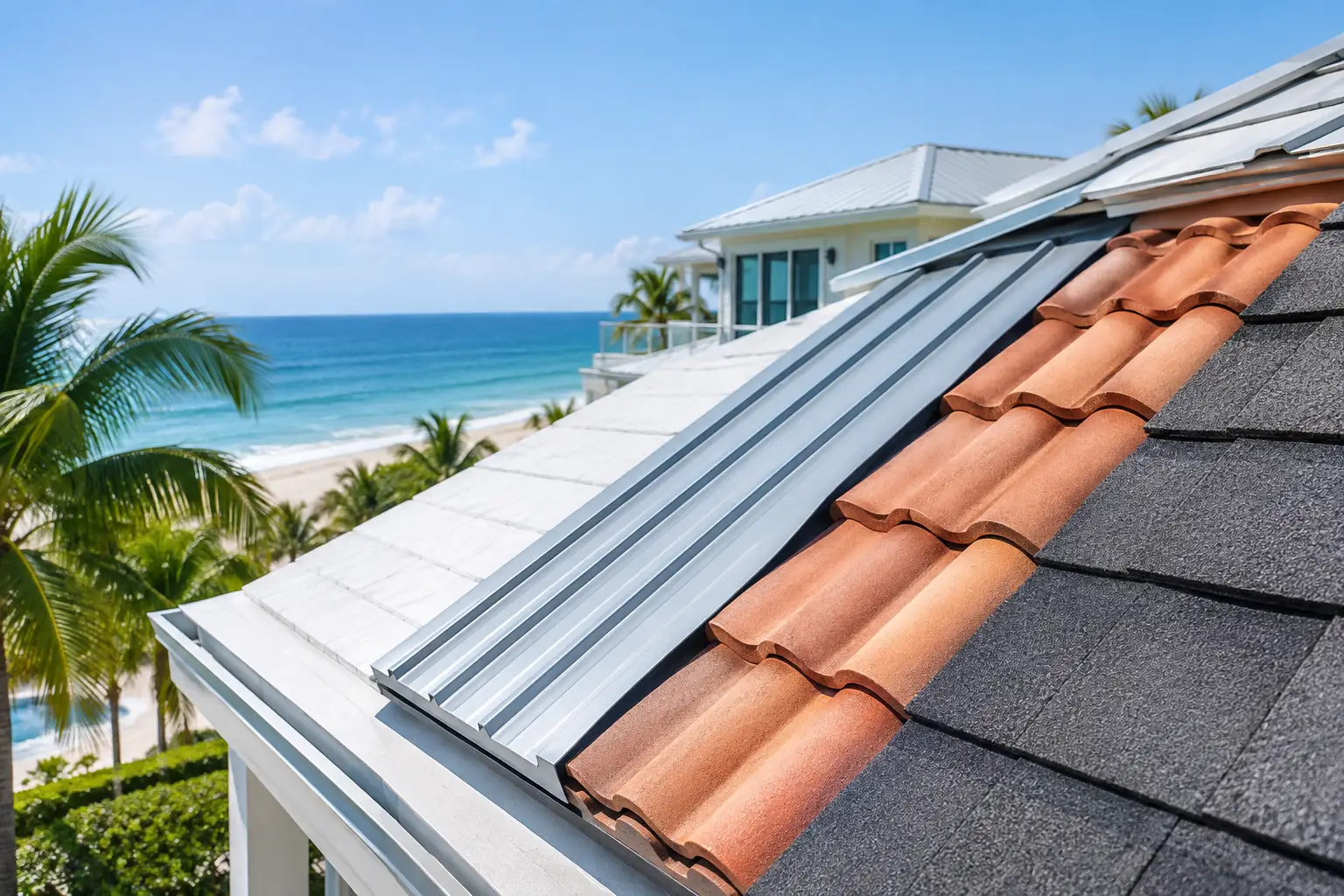
Tile is one of the most recognizable roofing choices in Palm Beach County. Concrete and clay tile both provide a substantial, architectural look that works especially well on Mediterranean, Spanish, coastal, and upscale traditional homes.
Tile can perform well in Florida’s heat because the assembly creates airflow beneath the tile surface. It is also highly durable when installed correctly. However, tile is heavy. Before replacement, the roof structure must be evaluated to confirm it can support the selected system. Individual tiles can also crack from impact or foot traffic, which means repairs should be handled carefully by experienced roofing professionals.
Concrete tile is often chosen for its broad range of profiles and colors. Clay tile offers a distinctive appearance and can be an excellent fit for certain architectural styles. Neither is automatically better for every property. The roof slope, structural capacity, budget expectations, and desired appearance should guide the choice.
For homeowners who want lasting curb appeal and a roof that feels at home in South Florida, tile is often worth serious consideration. The key is proper installation beneath the tile. Underlayment and flashing do much of the work of keeping water out.
Shingle Roofing: Practical, Versatile, and Efficient
Architectural asphalt shingles remain a practical option for many Florida homes. They are lighter than tile, suit a wide range of roof designs, and offer plenty of color choices. For a homeowner replacing an aging shingle roof, a new architectural shingle system can provide a clean appearance without changing the home’s overall character.
Not every shingle is appropriate for South Florida. Wind rating, installation method, starter materials, ridge components, and manufacturer specifications all affect performance. A roof may look fine from the street but still be vulnerable if the system was installed with shortcuts.
Shingles can be a strong choice for homes where weight is a concern or where the roof has a more complex layout. They are generally easier to repair in isolated areas than tile, although matching older shingles can become difficult as colors fade over time. Darker shingle colors may also absorb more heat, so homeowners often consider lighter tones when balancing appearance with sun exposure.
A shingle roof is not a lesser roof when it is selected for the right home and installed with precision. It is a straightforward, attractive solution that can deliver reliable protection.
Metal Roofing: Built for Heat, Rain, and Wind
Metal roofing has become increasingly popular across South Florida for good reason. Standing seam and metal panel systems offer a crisp, modern appearance, shed rain efficiently, and can be an excellent fit for homes exposed to strong sun and storms.
The performance of a metal roof depends heavily on the system design. Panel type, seam profile, coating, fastening method, flashing details, and corrosion resistance all matter. Near the ocean or Intracoastal areas, material selection should account for salt-air exposure. The wrong components can shorten the life of an otherwise high-quality roof.
Metal is lightweight compared with tile and can be a good option for homeowners who want durability without adding substantial load to the structure. It can also complement contemporary homes, coastal cottages, and renovated properties seeking a sharper exterior profile.
The trade-off is that metal installation is highly detail-sensitive. Penetrations, transitions, and edge details need careful attention. A well-installed metal roof can be an outstanding long-term system. A poorly installed one can create problems that are difficult to diagnose later.
Flat and Low-Slope Roof Materials Need Different Thinking
Flat roofs are common on additions, patios, commercial-style homes, and modern residential designs. They are not truly flat - they need proper slope and drainage so water moves toward drains, scuppers, or designated edges.
For these areas, roofing materials must be selected as a complete waterproofing system. The membrane, seams, perimeter edges, penetrations, insulation, and drainage plan all work together. Ponding water, clogged drains, and deteriorated flashing are common sources of trouble on low-slope roofs.
A flat-roof replacement should begin with an honest assessment of the deck and drainage. Covering an existing problem without correcting water flow can lead to recurring leaks. Homeowners should also consider how the low-slope roof connects to tile, shingle, or metal sections if the home has more than one roof type.
How to Choose the Right Roof for Your Home
The best roof material is the one that fits your home’s real conditions, not the one that happens to be popular nearby. Start by considering the roof’s pitch and structural support. Tile may be a natural fit for a steep, traditionally styled home, while metal or shingles may better suit a lighter structure or more complex roofline.
Next, think about your exposure. Homes closer to the coast may need additional attention to corrosion-resistant components. Homes surrounded by mature trees may have different maintenance concerns than homes in open, wind-exposed communities. If your roof has multiple slopes, valleys, skylights, or transitions, installation skill becomes even more important.
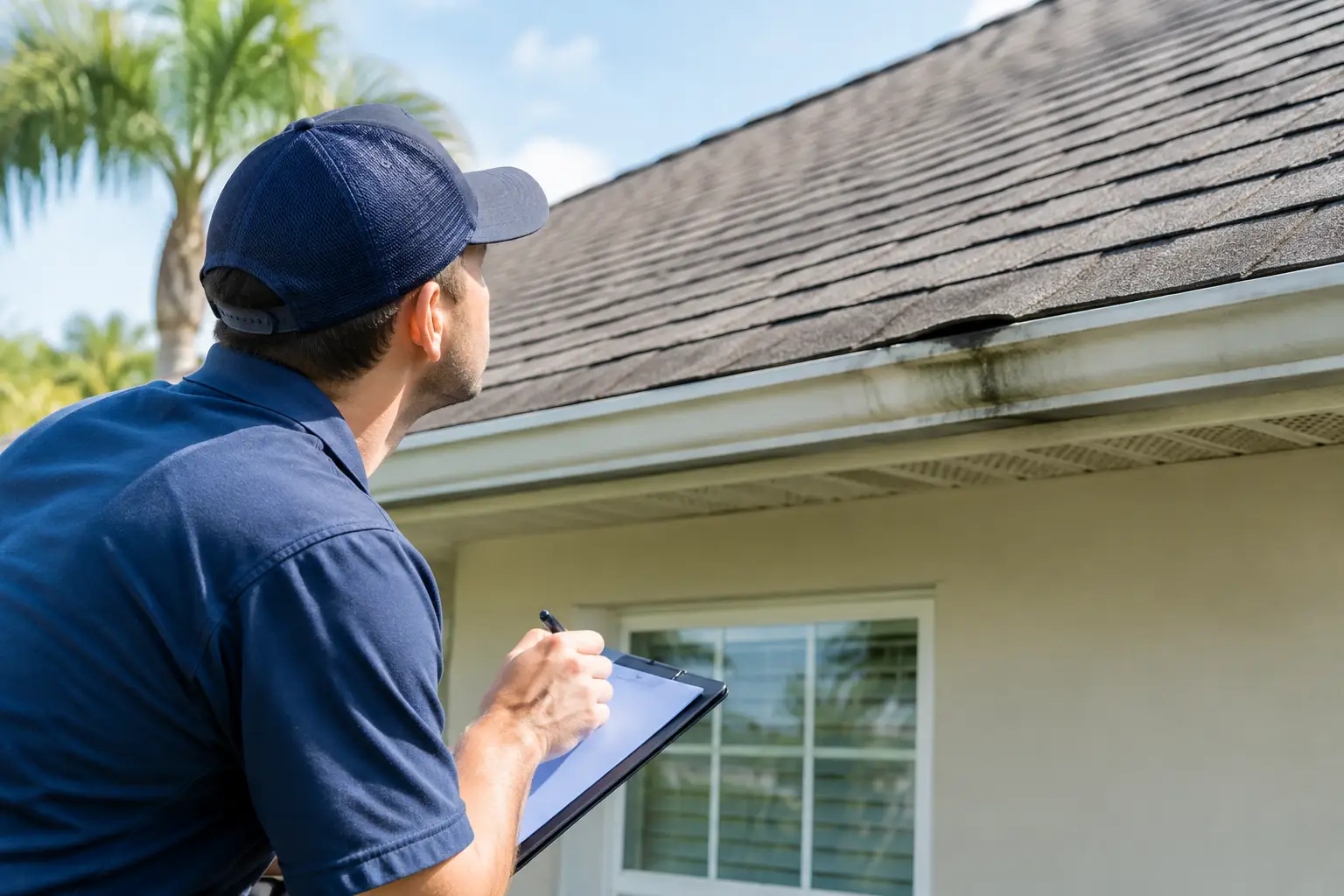
Finally, consider the level of maintenance you are prepared to manage. Every material benefits from periodic inspections, especially after major storms. Keeping gutters, drains, valleys, and roof surfaces clear can prevent small issues from becoming interior damage.
Installation Quality Protects the Investment
Homeowners understandably focus on the visible material. But a roof replacement is a system, not just a surface. Underlayment, flashing, ventilation, attachments, transitions, and clean workmanship determine how that system handles Florida weather year after year.
At 1 OAK Home Improvement Inc., the goal is to help homeowners make a clear, informed decision with professional guidance and quality workmanship. Whether your property needs tile, shingle, metal, or flat roofing work, the recommendation should reflect the home in front of you - not a one-size-fits-all answer.
A roof is your home’s first line of defense when the wind rises and rain starts moving sideways. Choose materials that fit the property, then make sure the installation receives the care and precision your investment deserves.