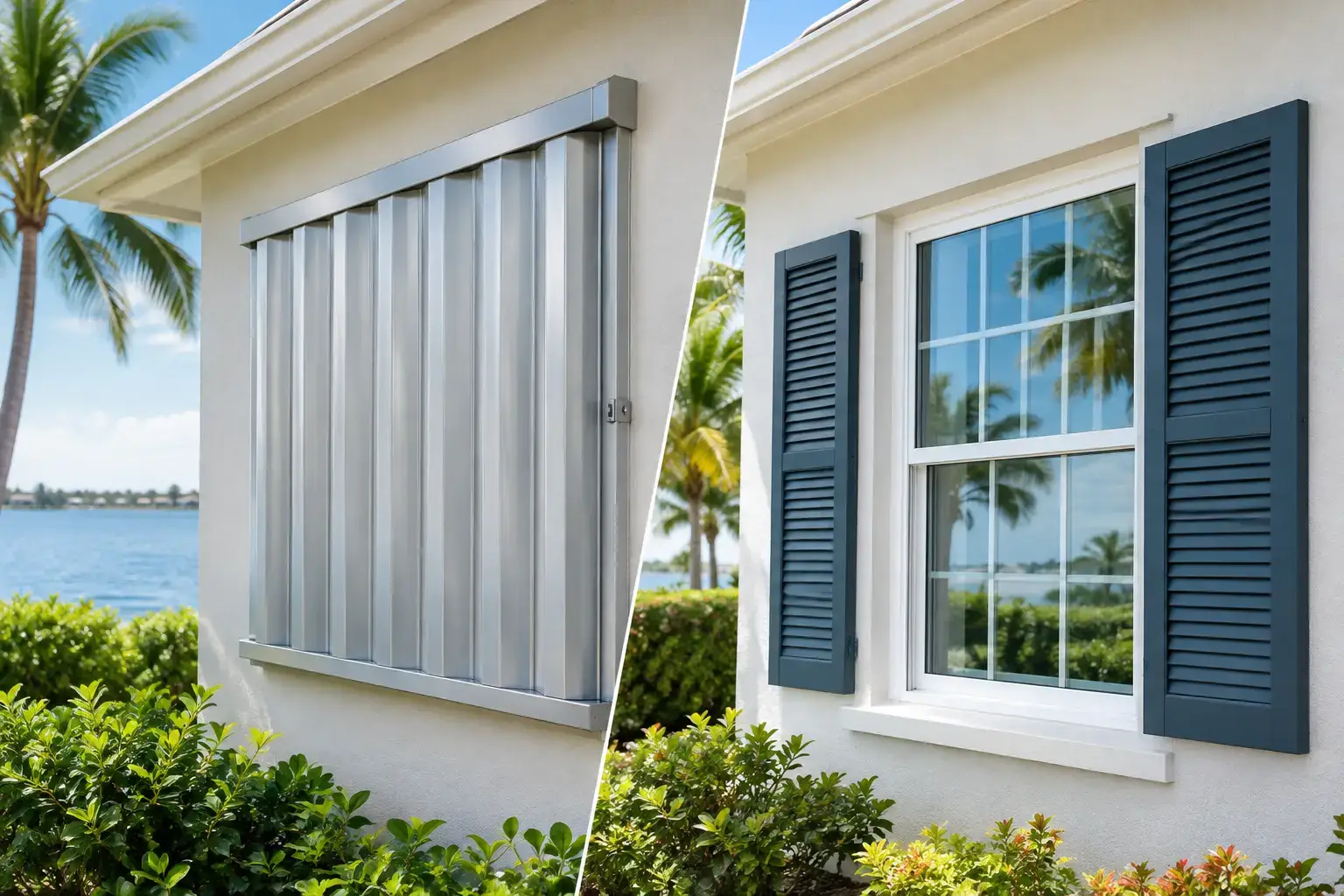
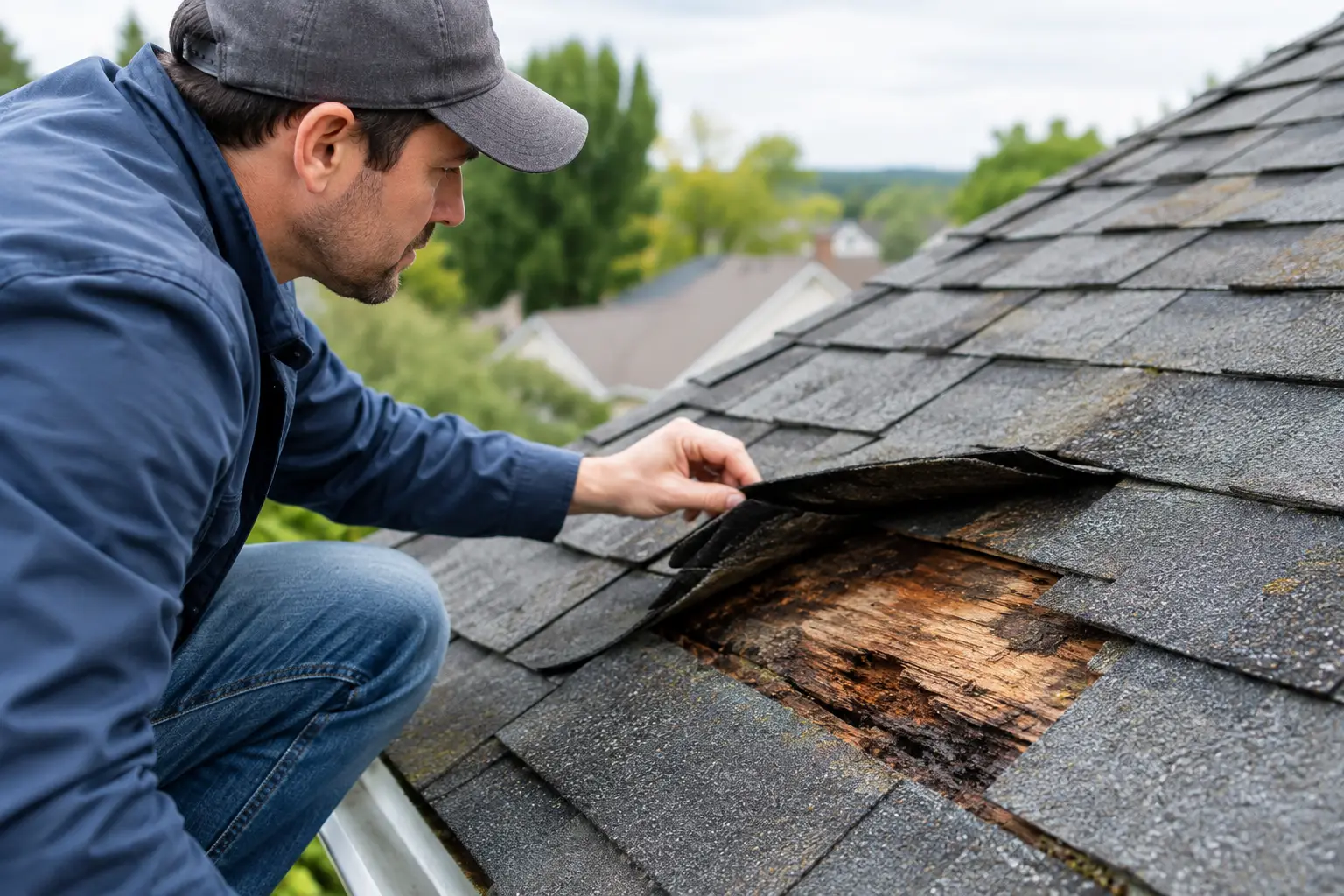
Five Hurricane Window Upgrades for Florida Homes
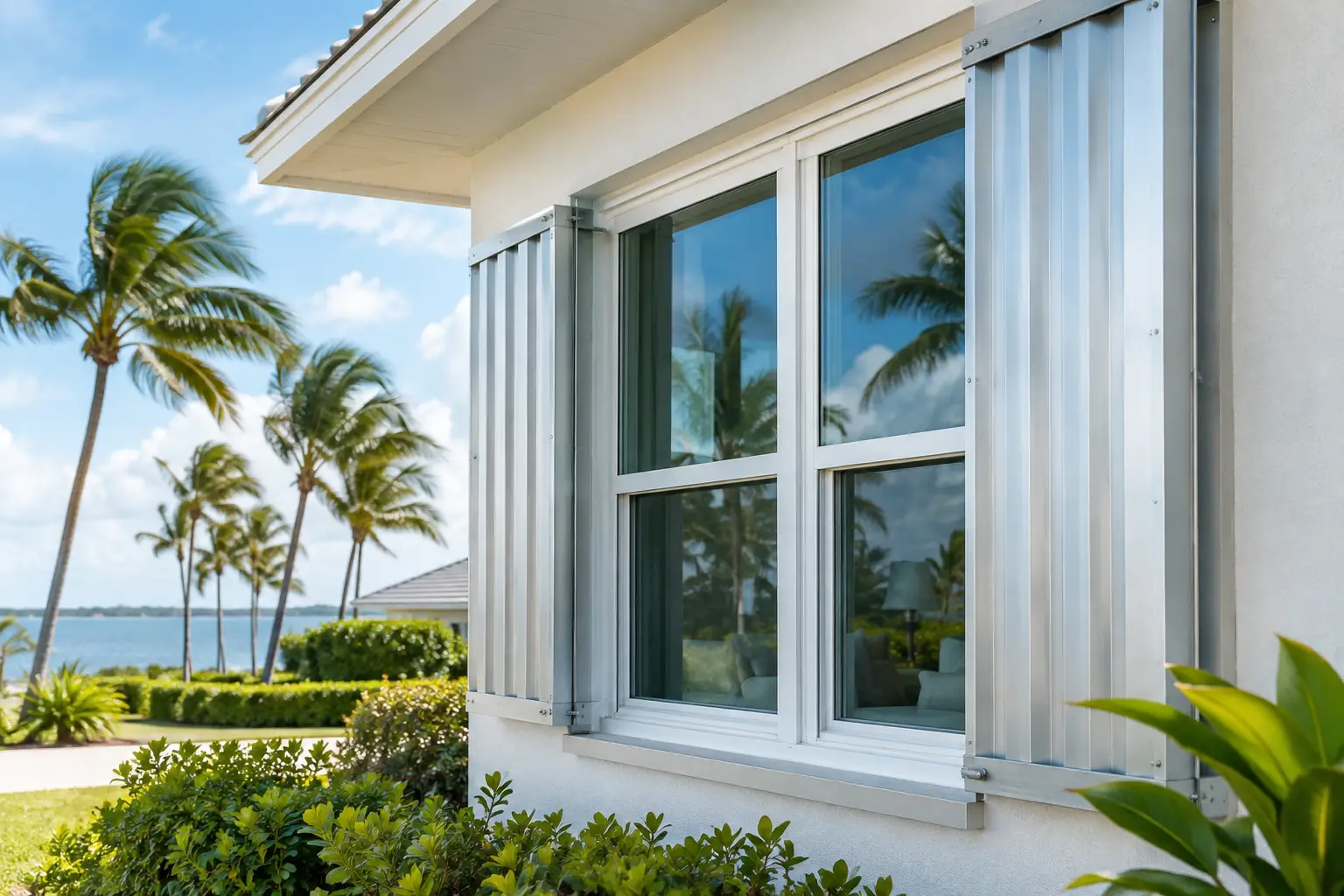
A summer storm can turn a small window weakness into a major home repair. Wind-driven debris, pressurized air, and rain do not need a large opening to cause damage. The right five hurricane window upgrades can help Palm Beach County homeowners protect the home they have worked hard to maintain while improving comfort every day of the year.
Impact windows are not all built or installed the same way. Glass, frames, hardware, anchoring, and water management must work together. When you understand what each upgrade does, you can make a confident decision based on your home’s exposure, opening sizes, architecture, and long-term goals.
Why Hurricane Windows Are More Than Glass
A hurricane-rated window is a complete tested assembly. It is designed to resist impact from flying debris and the pressure changes created by high winds. If a conventional window breaks during a storm, wind can enter the home and increase pressure inside. That pressure can contribute to serious roof, wall, and interior damage.
For homes in Boynton Beach and across coastal Palm Beach County, protection must account for more than a storm’s category. A property near the water may face stronger wind exposure and salt air. A home with large openings, elevated rooms, or an open backyard may need a different solution than a more sheltered property. A professional evaluation should look at the whole opening, not simply the glass.
Five Hurricane Window Upgrades Worth Considering
1. Laminated Impact Glass With the Right Rating
The most recognized upgrade is laminated impact glass. It uses multiple layers of glass bonded with a durable interlayer. When struck, the glass may crack, but the interlayer is designed to hold the broken pieces together and help preserve the opening’s protective barrier.
The key is choosing a window assembly with appropriate Florida approvals and design-pressure ratings for your property. Do not assume that every impact product provides the same level of protection. The size of the window, the location on the home, and the wind exposure all affect what is appropriate.
This upgrade can also provide practical day-to-day benefits. Laminated glass can reduce outside noise from traffic, lawn equipment, and neighborhood activity. It may also improve security because breaking through the glass is more difficult than with standard single-pane windows. Homeowners often appreciate the added sense of quiet and protection long after storm season passes.
2. Reinforced Frames Built for South Florida Conditions
Glass gets much of the attention, but the frame carries the glass and transfers wind loads to the wall opening. A strong impact window needs a frame engineered to resist flexing, separating, or failing under pressure.
Aluminum frames are a popular choice in South Florida because they are durable, slim, and well suited to large openings. Vinyl options may work well in certain applications and can offer insulation benefits, but product quality and structural performance matter. The best frame is not simply the one with the thickest profile. It is the one approved for the opening, properly sized, and compatible with the home’s design.
For coastal homes, corrosion resistance deserves special attention. Salt air can wear down exterior finishes and hardware over time. Ask about frame finishes, drainage paths, and maintenance recommendations. A quality window should protect your home without creating a future headache at the sill, track, or hardware.
3. Heavy-Duty Hardware and Multi-Point Locking
A window is only as secure as its locking and operating components. Upgraded hardware helps keep operable windows closed tightly during high winds and improves everyday security. Casement and awning windows, for example, rely on hinges, operators, locks, and seals that must perform as one system.
Multi-point locking systems secure the sash at more than one location instead of relying on a single latch. That can improve the seal, reduce rattling, and provide a more solid feel when the window is locked. Quality hardware also makes a difference in daily use. A window that is difficult to open or lock may be neglected, which is not what you want when a storm is approaching.
Hardware requires a realistic maintenance plan. Coastal exposure, sand, and humidity can affect moving parts. Periodic cleaning and manufacturer-recommended lubrication help preserve smooth operation. If you have older impact windows that bind, leak, or will not lock properly, the issue may be more than an inconvenience. It deserves an inspection.
4. Proper Anchorage and Professional Installation
This is one of the most important hurricane window upgrades, even though it is mostly hidden once the job is complete. A high-performing impact window can fall short if it is installed with incorrect fasteners, inadequate embedment, poor spacing, or unsuitable attachment to the existing wall condition.
Professional installation begins with measuring the opening accurately and checking the surrounding structure. Installers should identify damaged wood, deteriorated masonry, uneven sills, and previous water intrusion before setting a new unit. Those conditions can affect how the window is secured and sealed.
The anchoring pattern must follow the approved installation requirements for that specific product and opening. This is not a one-size-fits-all step. Large picture windows, second-story openings, and units exposed to higher wind pressures may need different anchoring methods than a small bathroom window.
Permitting and inspections are part of protecting your investment. A licensed, insured contractor can help ensure the project is completed according to applicable Florida requirements, with documentation that supports the work performed. At 1 OAK Home Improvement Inc., the focus is on clear communication, quality workmanship, and an installation your home can depend on.
5. Energy-Control Glass and Water Management Details
Impact protection and indoor comfort can go together. Many hurricane window systems offer glass options designed to help manage solar heat and ultraviolet exposure. Low-E coatings can reduce the amount of heat transferred through the glass while still allowing natural light into the room.
This can be especially helpful on west- and south-facing walls where afternoon sun makes certain rooms uncomfortable. However, darker tint is not always the best answer. Too much tint can noticeably change interior light and exterior appearance. The right glass package depends on window orientation, shading from trees or overhangs, and how you use each room.
Water management is equally important. Window systems need properly designed sills, flashing, sealant joints, and drainage paths to direct water away from the wall assembly. In Florida, heavy rain often arrives sideways. A neat-looking bead of caulk alone is not a weatherproofing strategy.
During a consultation, ask how the installer will address sill condition, exterior trim, flashing, and sealant compatibility. Those details help prevent the leaks, staining, and interior repairs that homeowners understandably want to avoid.
How to Prioritize Hurricane Window Upgrades
If replacing every window at once is not practical, start with the openings that create the greatest risk or deliver the biggest daily benefit. Large fixed windows, sliding glass doors, bedrooms, rooms exposed to direct sun, and openings with recurring leaks are often strong candidates. Windows that are difficult to lock, show fogging between panes, or have visible frame deterioration should also move up the list.
It depends on the home. A waterfront property may prioritize corrosion resistance and higher wind-pressure requirements. A house near a busy road may value laminated glass for quieter interiors. A homeowner replacing an aging roof may coordinate exterior projects so flashing, trim, and water-shedding details work together instead of being addressed separately.
Do not choose based on appearance alone. Compare the complete product approval, glass configuration, frame, hardware, installation method, warranty terms, and scope of finish work. A trusted contractor should be willing to explain the options in plain language and identify where an upgrade genuinely adds value.
Questions to Ask Before Replacing Windows
Ask whether the proposed window is approved for your specific opening and exposure. Ask how the crew will protect landscaping and interior finishes, how damaged substrate will be handled if discovered, and what the final exterior seal and trim will look like. You should also know which windows will be operable for egress and ventilation, especially in bedrooms.
A clear written scope helps avoid surprises. It should identify the window type, glass option, color, hardware finish, installation approach, and any related repairs. Quality work is not rushed. It is measured carefully, installed precisely, and finished with the same attention given to the window itself.
Your home is your greatest investment, and storm protection should bring reassurance rather than stress. A thoughtful impact-window plan gives you protection when weather turns, greater comfort when it does not, and confidence that each opening is prepared to do its job.