Does a New Roof Increase Home Value in Florida?
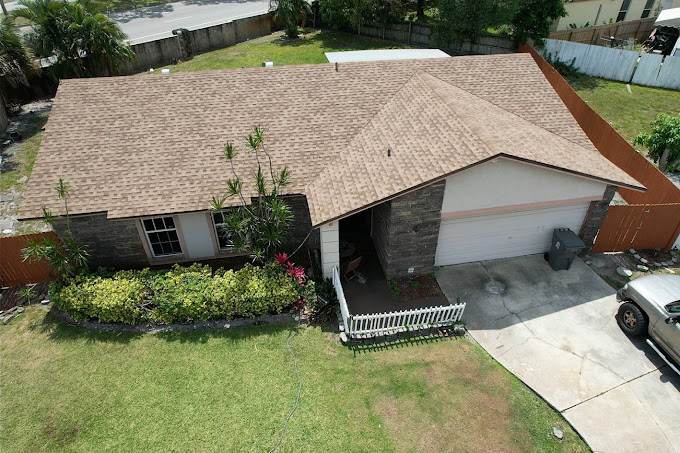
Usually yes, but mostly indirectly. In Florida, a new roof adds value by making a home easier to insure and easier to sell. Buyers, home inspectors and insurers all look hard at roof age. An insurer can't refuse a policy solely because a roof is under 15 years old, while an older roof can bring inspections, higher premiums and a tougher sale.
Why the Roof Matters More in Florida Than Most Places
In a lot of the country, a roof is just one line on the inspection report. In South Florida it's often the first thing a buyer asks about. Our sun, heat, humidity, salt air near the coast and hurricanes wear roofs out faster than national averages suggest.
Typical South Florida lifespans look like this:
- Architectural shingle: 25–30 years, often less on the coast or with poor ventilation.
- Concrete tile: 40–50 years, though the underlayment under the tile usually needs replacing around 20–25 years.
- Standing seam metal: 40–60 years.
- Flat roofs: 15–25 years.
Buyers in Palm Beach and Broward know this. So do their inspectors and their insurance agents. That's why the question here isn't really whether a new roof adds a certain dollar amount. It's whether an old roof gets in the way of a sale.
What Buyers Look At
Most buyers aren't roofers, but they ask the right questions. Expect them, or their agent, to want to know:
- How old is the roof? This is the big one, because it ties directly to insurance.
- What material is it? Shingle, tile, metal or flat, and how much life that material typically has left in our climate.
- Was it permitted? Permit and final inspection records show the work was done and inspected.
- Any leaks or repairs? Ceiling stains, patched areas or recent repairs will get noticed.
- What will it cost to insure? A buyer who can't get reasonable insurance quotes may walk away or come back asking for a lower price.
A newer roof with clean paperwork answers all of those quickly. An older roof turns each one into a negotiation.
What Inspectors Look At
There are a few different inspections that can come up when a Florida home changes hands.
The general home inspection
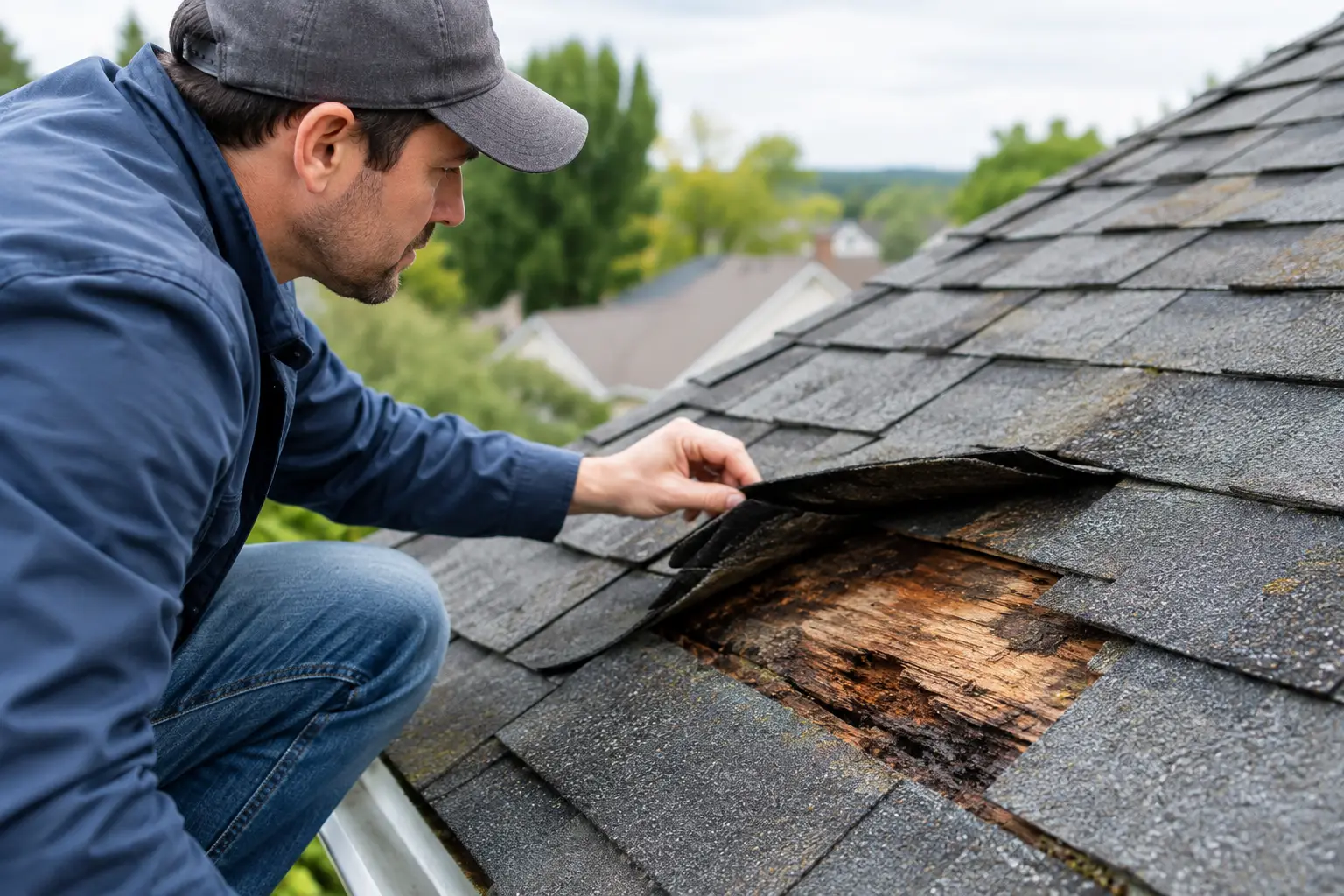
The buyer's home inspector looks at the visible roof covering, flashing, signs of leaks in the attic and ceilings, and gives a rough read on the roof's condition and remaining life. Worn shingles, cracked or slipped tiles and soft spots all go in the report.
The 4-point inspection
Many insurers ask for a 4-point inspection on older homes before they'll write a policy. The roof is one of the four points, along with the home's major systems. For the roof, the insurer mainly wants to know its age, its condition and whether it has useful life left. A roof that shows active leaks or heavy wear can stop a policy before the buyer ever gets to closing.
The wind mitigation inspection
A wind mitigation inspection uses the state's OIR-B1-1802 form. It documents roof covering, roof deck attachment, roof-to-wall connections (clips or straps), roof shape (hip roofs score better), secondary water resistance and opening protection such as impact windows and doors. Florida insurers must offer premium discounts for qualifying features, though the size of the discount varies by insurer. A new roof installed to current code often improves several items on the form.
Why Roof Age Matters for Insurability
Florida law (Florida Statutes 627.7011(5)) sets some ground rules on roof age:
- An insurer may not refuse to issue or renew a homeowner's policy on a home whose roof is less than 15 years old solely because of the roof's age.
- For a roof that's 15 years or older, the insurer must let the homeowner get a roof inspection by an authorized inspector, at the homeowner's expense, before requiring a replacement as a condition of issuing or renewing.
- If that inspection shows 5 or more years of useful life left, the insurer may not refuse to issue or renew solely because of roof age.
That protects owners, but it doesn't make an old roof a non-issue. Insurance experts quoted by WFLX in August 2026 said premiums generally rise after 15 years, and suggested getting a professional inspection by age 10. For a buyer, a 16-year-old roof can mean an extra inspection, a higher premium, or both. For more detail, see our post on how old a roof can be for insurance in Florida and whether a new roof lowers insurance in Florida.
Should You Replace the Roof Before You Sell?
It depends on where your roof sits on the timeline. Some honest rules of thumb:
- Under 10 years and in good shape: Usually no need. Fix small issues, gather your paperwork and move on.
- Around 10 to 15 years: Get a professional inspection so you know what a buyer's inspector will find. Small repairs now can head off big asks later.
- 15 years or older, or showing wear: This is where a roof can slow down or sink a sale, because the buyer's insurance gets harder. Replacing it, or at least getting an inspection that documents remaining life, is worth a serious look.
- Active leaks or damage: Deal with it before listing. It will show up on every inspection.
If you're on the fence, our guides on how to tell if your roof needs replacement now and roof repair versus replacement can help you decide. At 1 OAK we'll tell you plainly if a repair will carry you through a sale.
Paperwork to Keep for the Next Buyer
A new roof only helps a sale if you can prove it. Keep a folder with:
- The building permit and the final inspection sign-off.
- Your contract, showing the roof material and scope of work.
- Product approvals. In Broward and Miami-Dade (the HVHZ), that includes approvals such as a Miami-Dade NOA.
- Your manufacturer warranty registration and the contractor's workmanship warranty.
- A new wind mitigation report done after the reroof.
If you're weighing a new roof before listing, our post on roof replacement cost in Florida covers pricing, and our instant online roof quote gives you a ballpark in a couple of minutes.
Frequently asked questions
Should I replace my roof before selling my house in Florida?
If the roof is 15 years or older, or showing leaks and wear, it's worth a serious look because it can make the buyer's insurance harder to get. If it's newer and in good shape, small repairs and good paperwork are usually enough. A professional inspection will tell you where you stand.
What is a 4-point inspection?
It's an inspection many Florida insurers ask for on older homes before writing a policy. It covers the roof and the home's major systems. For the roof, the insurer mainly wants to know its age, condition and remaining life.
Can I sell a house with an old roof in Florida?
Yes. But buyers will factor in what it costs to insure and replace. For a roof 15 years or older, insurers must allow an inspection before requiring replacement, and if it shows 5 or more years of useful life left, they can't refuse coverage solely because of roof age.
Does a new roof help with wind mitigation credits?
Often, yes. A roof installed to current Florida code can improve several items on the wind mitigation form, such as roof deck attachment and secondary water resistance. Get a new wind mitigation inspection after the reroof and send it to your insurer. Discount amounts vary by insurer.