Do You Need a Permit to Replace a Roof in Florida?
Yes. A roof replacement in Florida needs a building permit, and your licensed roofing contractor normally pulls it. The city or county inspects the work during the job and at the end. In Broward and Miami-Dade, the High-Velocity Hurricane Zone adds stricter product approvals and staged inspections. A roofer who asks you to pull the permit is a red flag.
Who Pulls the Roofing Permit
In Florida, the licensed roofing contractor normally pulls the permit for a roof replacement. That puts the contractor's license on the line for the work, and it's how the city or county knows who is responsible for meeting code.
If a roofer asks you, the homeowner, to pull your own permit, treat it as a red flag. It can mean the person isn't properly licensed, or doesn't want their name on the job. You can check any contractor's license at myfloridalicense.com using the Florida DBPR “Verify a License” search. A certified roofing contractor holds a CCC license and can work statewide.
This is general information, not legal advice. Your local permit office can confirm what's required for your address.
What Gets Inspected
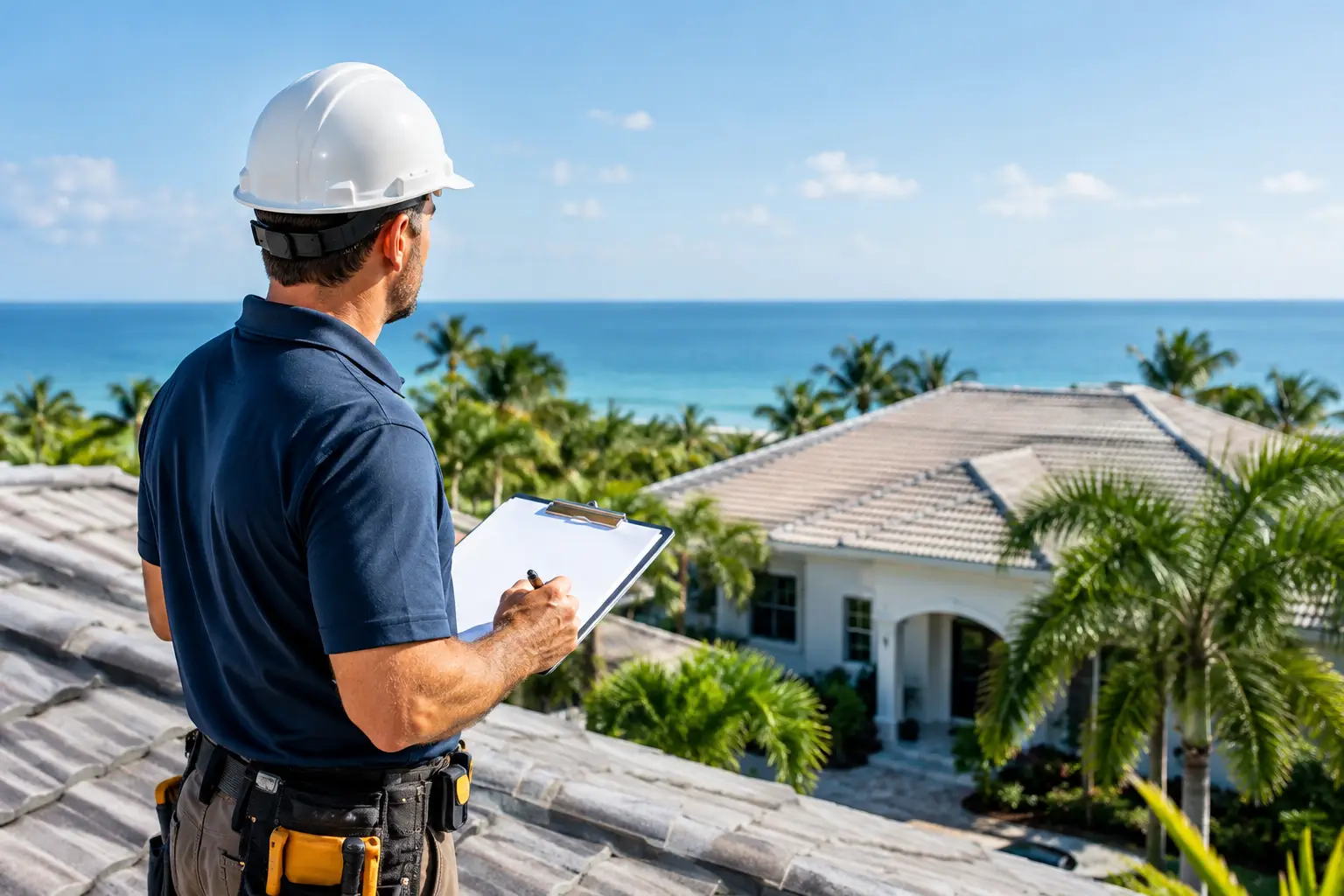
A roof permit isn't just paperwork. The building department sends an inspector out during the job. Exact stages vary by city, but they often include:
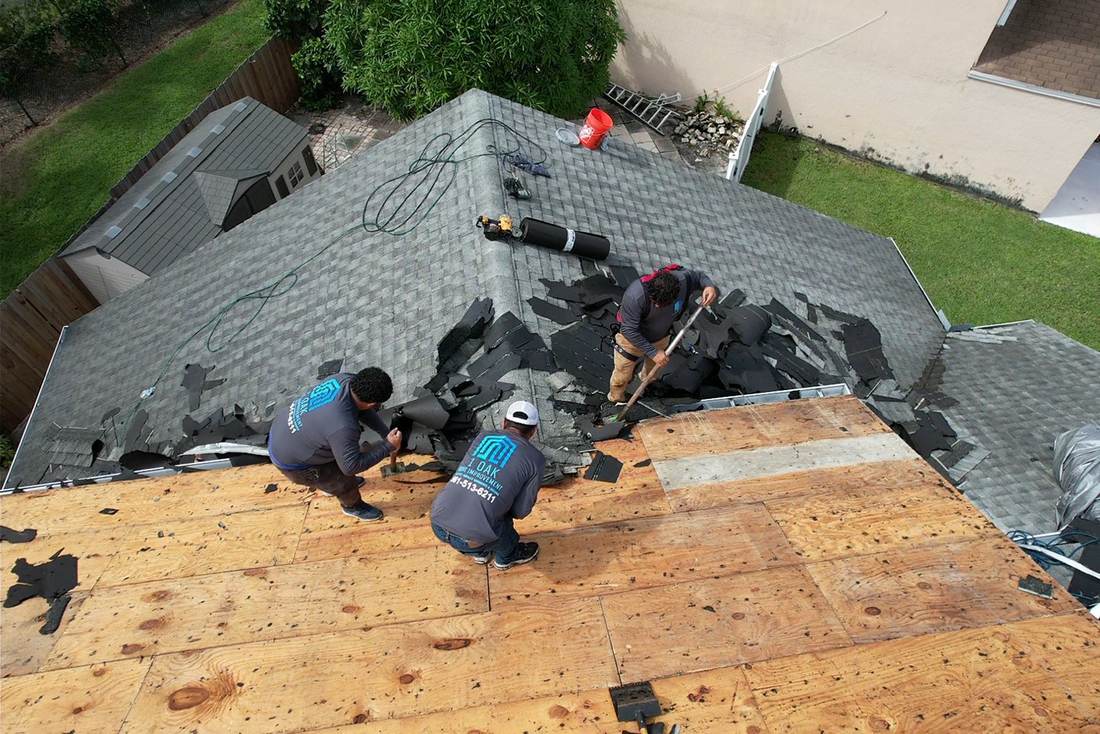
- Deck or nailing inspection, after tear-off, to check the roof deck and how it's fastened.
- Dry-in inspection, to check the underlayment before the final roof covering goes on.
- Final inspection, once the roof is complete.
Your contractor schedules these inspections. A good one will tell you when each is happening and share the results.
Code Upgrades That Come With a Reroof
When you replace a roof in Florida, you don't just put the same thing back. Florida code requires re-nailing the deck and a secondary water barrier on many reroofs. These upgrades help the roof hold up in high wind and keep water out if the outer covering is damaged.
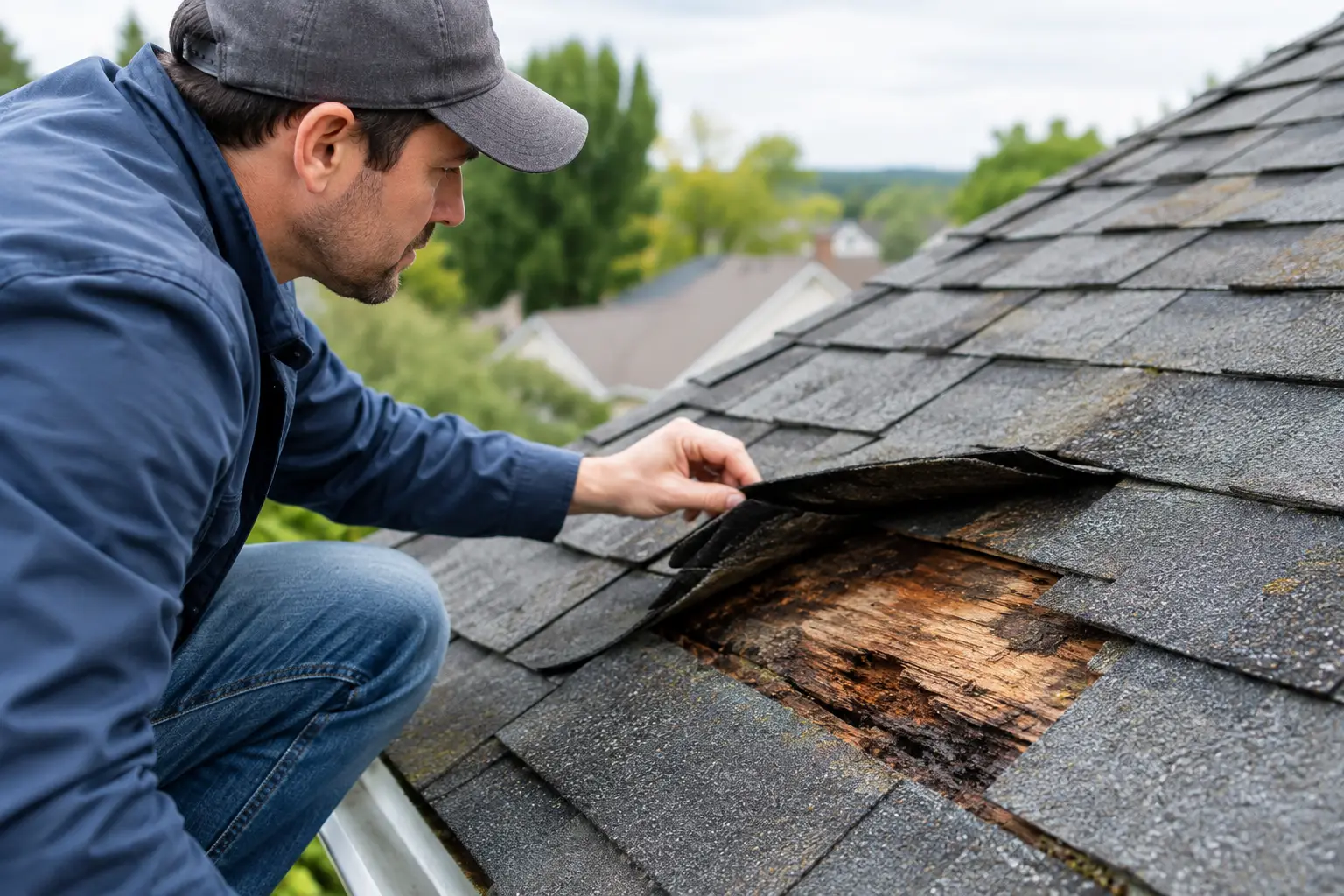
That's also why decking is often priced as an extra in roofing quotes. Rotten or delaminated boards can't be seen until the old roof comes off. Our Florida roofing code guide for Palm Beach homes goes into more detail.
Broward and Miami-Dade: The HVHZ
Broward County and Miami-Dade County are in the High-Velocity Hurricane Zone, or HVHZ. The rules there are stricter.
- Roofing products need HVHZ approval, such as a Miami-Dade Notice of Acceptance (NOA).
- Broward uses a uniform HVHZ roofing permit application with staged inspections.
If you live in Fort Lauderdale, Coral Springs, Pembroke Pines or anywhere else in Broward, your roofer should know these steps well. See our page on roof replacement in Fort Lauderdale.
Palm Beach County
Palm Beach County isn't in the HVHZ, but that doesn't mean the rules are loose. Roofs here still require Florida-approved products and wind-rated installation, and the same re-nailing and secondary water barrier requirements apply to many reroofs. Each city's building department runs its own permit process and inspection schedule.
At 1 OAK, as the licensed roofing contractor, we pull the permit on roof replacements across Palm Beach and Broward, from roof replacement in Boynton Beach to Boca Raton and Jupiter.
What About Roof Repairs?
Smaller repairs may or may not need a permit, depending on the scope of the work and your city. Your permit office will tell you. Larger repairs can also bring building code requirements into play, including Florida's 25% roof rule for older roofs.
Red Flags to Watch For
Permit shortcuts usually come with other warning signs. Be careful if a roofer:
- Knocks on your door right after a storm and pushes for a quick decision.
- Asks you to pull your own permit.
- Wants a large cash deposit up front.
- Pressures you to sign the same day.
Before you sign, verify the license at myfloridalicense.com and ask for proof of general liability and workers' compensation insurance. A licensed, insured contractor won't mind. For more on vetting roofers, see how to compare roofing estimates with confidence.
Why the Permit Matters to You
A permitted, inspected roof has a paper trail. Keep the permit and the final inspection record. They show when the roof was replaced and that it passed inspection, which is useful when an insurer asks about your roof or when you sell the home.
Also know that the 2026 Florida Building Code (9th edition) takes effect December 31, 2026, and it updates some reroofing rules. Your contractor and permit office will know which version applies to your job. When you're ready for numbers, start with our instant roof quote.
Frequently asked questions
Can I replace my own roof without a permit in Florida?
A roof replacement in Florida needs a building permit. Rules for homeowners doing their own work vary, so ask your local permit office before you start. Skipping the permit can cause problems with inspections, insurance and resale.
How long does it take to get a roofing permit?
It varies by city and county and by how busy the building department is. Your contractor will usually handle the application and give you an estimate based on recent experience with your local office.
What is a Miami-Dade NOA?
A Notice of Acceptance is an approval for building products used in the High-Velocity Hurricane Zone. Roofing products installed in Broward and Miami-Dade need HVHZ approval, such as an NOA.
Does Palm Beach County follow HVHZ rules?
No. Palm Beach County isn't in the High-Velocity Hurricane Zone. It still requires Florida-approved products and wind-rated installation, and your city's building department inspects the work.
Who schedules the roof inspections during the job?
Your contractor normally schedules them, such as a deck/nailing or dry-in inspection and a final inspection. Exact stages vary by city. Ask your roofer to share each result with you.