


Choose a Whole Home Exterior Renovation Contractor

A roof leak rarely stays just a roof problem in South Florida. Water can affect drywall, insulation, fascia, and the confidence you have in your home when the next storm rolls in. Aging windows and doors create a similar concern, allowing heat, noise, and wind-driven rain to test weak points around the building envelope. A whole home exterior renovation contractor helps you address those connected systems with one coordinated plan rather than treating each issue as an isolated repair.
For homeowners planning a major exterior upgrade, the goal is not simply to install a new roof or replace a few windows. It is to protect your greatest investment, improve the home’s performance, and complete the work with clear communication and professional accountability.
Why Exterior Systems Should Be Planned Together
Your roof, windows, exterior doors, flashing, and drainage details all work together. When one system fails, it can put pressure on the others. A roof replacement may reveal deteriorated fascia or water intrusion around openings. New impact windows can change how you think about exterior door protection, indoor comfort, and storm preparedness.
Planning these improvements together gives homeowners a clearer view of priorities. It can also reduce the disruption that comes from scheduling separate projects months apart. Instead of having multiple crews working around the same exterior areas at different times, a coordinated project can establish the sequence, access needs, material protection, and final cleanup from the start.
That does not mean every home needs every exterior component replaced at once. If your roof is in good condition and your immediate concern is outdated windows, a window and door project may be the right move. The value of a full-exterior perspective is that decisions are based on how the home performs as a whole, not on a one-size-fits-all package.
What a Whole Home Exterior Renovation Contractor Should Evaluate
A qualified contractor begins by looking beyond the obvious. Missing shingles, cracked tiles, stained ceilings, difficult-to-open windows, and drafty doors are useful clues, but they are not the full diagnosis.
The roof structure and roofing system
Roof condition starts with the visible surface, whether your home has tile, shingle, metal, or a flat roof. But the inspection should also consider flashings, penetrations, valleys, transitions, drainage, soffit and fascia conditions, and signs of moisture beneath the roofing material. These details often determine whether a roof performs well through heavy rain and high winds.
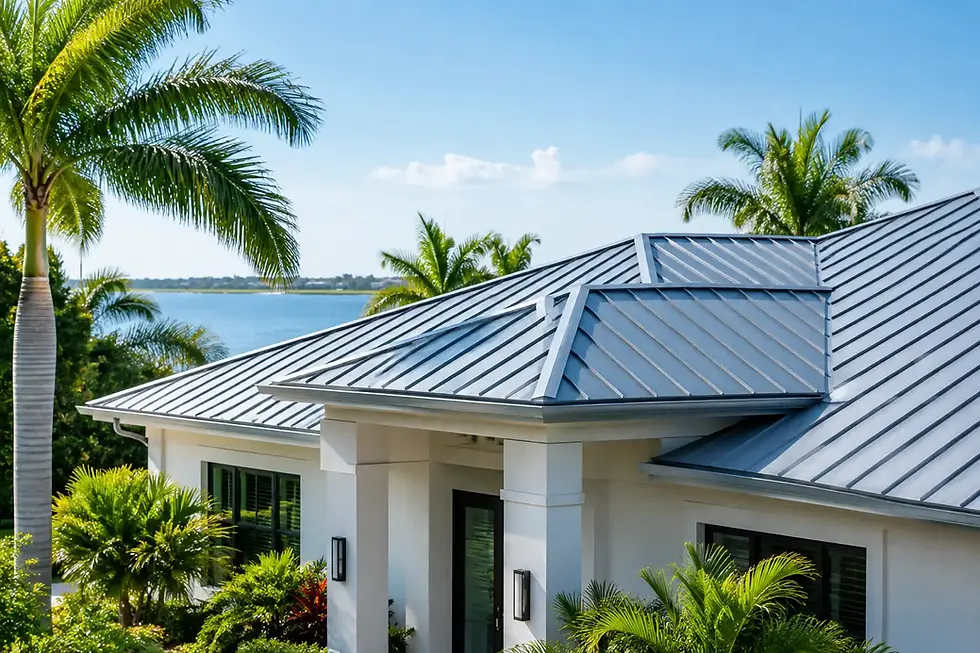
A replacement should match the home’s roof design, local exposure, and practical maintenance expectations. Tile can offer a classic South Florida appearance. Shingle can be an effective choice for many homes. Metal brings its own longevity and design considerations, while flat-roof systems require close attention to slope, seams, drains, and flashing. The right material depends on the home, not simply what looks best in a sample.
Windows and doors as protective openings
Impact windows and doors do more than update curb appeal. They can strengthen vulnerable openings, help reduce outside noise, improve comfort, and provide added peace of mind during severe weather. Homeowners may also notice improvements in energy use when old, inefficient windows are replaced with properly installed products.
Installation quality matters as much as the product itself. Accurate measurements, sound attachment methods, careful sealing, and clean interior and exterior finishing all affect long-term results. A window that is excellent on paper cannot deliver its intended performance if it is installed carelessly.
The transition points between systems
The areas where materials meet deserve special attention. Roof-to-wall transitions, window perimeters, door thresholds, flashing locations, and drainage paths are common sources of future problems when they are rushed or overlooked. A contractor coordinating roofing and opening upgrades can plan these details in the correct order and avoid unnecessary rework.
How to Choose the Right Contractor for the Job
A project of this size requires more than a crew that can complete one trade. You need a contractor who understands the scope, communicates directly, and takes responsibility for the finished exterior.
Start by confirming that the company is licensed and insured for the work being performed. Roofing and general contracting credentials are especially meaningful when a project includes multiple exterior elements or when conditions uncovered during the job require informed decisions.
Then ask how the contractor assesses the home before recommending work. A useful consultation should address the condition of your roof and openings, the materials being considered, the anticipated project sequence, and any visible concerns that may affect the scope. You should come away understanding what is being recommended and why.
Communication is another practical measure of reliability. Major home improvements can feel stressful when homeowners do not know who is coming, what work is happening next, or how the property will be protected. Look for a contractor that sets expectations, responds to questions, and treats punctuality and cleanliness as part of the job, not optional extras.
For South Florida homeowners, local experience also has real value. A contractor familiar with the region understands the demands created by intense sun, humidity, heavy seasonal rain, salt air in coastal communities, and hurricane exposure. Those conditions influence material selection, installation details, and the importance of protecting every opening in the home.
A Better Order of Operations for Exterior Renovations
The best sequence varies by property, but roof work commonly comes before window and door replacement when both are planned. Roofing can involve material removal, debris management, and work near exterior walls. Completing it first helps protect newly installed windows and doors from unnecessary jobsite activity.
Next, window and door installation can proceed with the roof system complete and the exterior conditions clearly defined. If fascia, soffit, trim, or related repairs are needed, they should be scheduled where they make the most sense within the project. A good contractor will explain the order before work begins so there are no surprises when crews arrive.
Homeowners also have a role in keeping the project on track. Move patio furniture, wall décor, and fragile items away from work areas. Let the team know about access limitations, pets, alarm systems, or concerns about landscaping. These small conversations protect your property and allow the crew to focus on quality installation.
The Results Homeowners Can Expect
A well-managed exterior renovation can make your home feel different in ways you notice every day. A sound roof helps remove the worry associated with recurring leaks. Impact windows and doors can make rooms quieter and more comfortable while improving security and weather protection. New exterior materials can also refresh curb appeal and support long-term property value.
The biggest benefit, though, is confidence. You should know that the visible finishes and the details behind them were handled with care. That confidence is earned through accurate assessment, quality materials, skilled installation, and a contractor who stands behind the work.
At 1 OAK Home Improvement Inc., homeowners can work with a licensed and insured roofing and general contractor for roof replacement, roofing work, and impact window and door installations. The focus is simple: great value, amazing quality, and professional service that helps protect your home without adding unnecessary stress.
Start With the Questions That Matter
Before moving forward with a major exterior project, ask yourself what is driving the decision. Is it a roof approaching the end of its service life? Persistent leaks? Windows that feel weak, loud, or inefficient? A desire for stronger storm protection across the home? Your answer will help determine whether a single upgrade or a coordinated renovation is the better fit.
A careful exterior assessment brings the next steps into focus. When the roof, windows, and doors are evaluated as connected parts of one protective system, you can make decisions with more clarity and less uncertainty. Schedule a consultation, ask direct questions, and choose a team prepared to care for your home as seriously as you do.


Comments