When Is the Best Time to Replace a Roof in Florida?
In South Florida, the best time to replace a roof is usually the drier months, roughly November to April. Fewer afternoon storms mean fewer weather delays, and finishing before hurricane season starts June 1 means your home goes into storm season protected. But if your roof is failing, the best time is as soon as possible.
Florida's roofing calendar
South Florida doesn't have four seasons the way roofers up north do. For roofing, two calendars matter:
- Hurricane season: June 1 to November 30.
- Rainy season: roughly late May to October, with frequent afternoon storms.
- Drier months: roughly November to April.
Roofing can happen any month of the year here. The season mostly changes how many days are lost to weather and how much risk there is of a storm arriving mid-project.
Notice the overlap. The wettest stretch of the year and the heart of hurricane season fall in the same months. That's why most of the advice about timing a reroof in Palm Beach and Broward comes down to one idea: if you can choose, do the work when the weather is calmest and finish before the storms start.
Why the drier months are usually best
A reroof means your roof is open to the sky for part of the job. Crews only tear off what they can dry in, and they watch the forecast, but fewer storms simply means fewer interruptions.
- Fewer rain delays. Less afternoon rain means more full work days.
- Lower storm risk. There's less chance of a named storm forcing the crew to stop.
- Ready for hurricane season. A roof finished in winter or spring is in place before June 1.
- Easier scheduling. With fewer weather days, it's simpler to plan around inspections and your own calendar.
Can you replace a roof during hurricane or rainy season?
Yes. Roofers work through the summer in Florida every year. You should just expect more weather days. Daily storms can cut afternoons short, and if a tropical storm or hurricane is forecast, the job pauses and the crew secures the site until it passes.
A good contractor will tear off only as much as can be dried in the same day and keep materials secured on site. Ask how your contractor handles weather and what happens if a storm is forecast mid-job.
Don't wait on a roof that's already failing
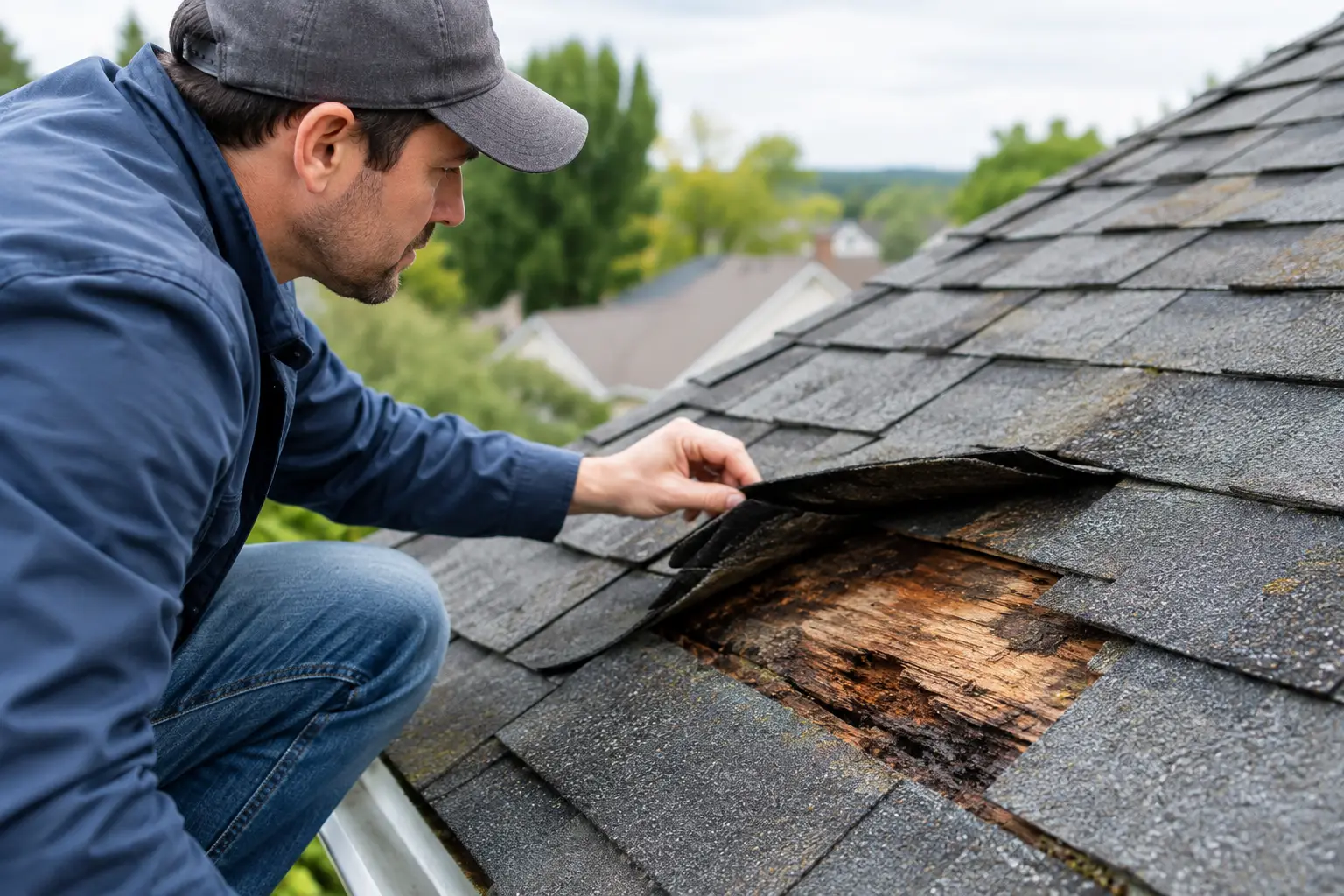
Timing only matters if you have a choice. If your roof is leaking in several places, has soft spots, or was damaged in a storm, waiting for the “right” season can turn a roof replacement into a roof, decking and drywall replacement.
Not sure where yours stands? Read how to tell if your roof needs replacing now or compare roof repair versus replacement. Sometimes a repair now and a replacement in the drier months is the right plan.
Other timing factors to think about
Your insurance renewal
If your roof is 15 years or older, your insurer may ask about it at renewal. Under Florida Statutes 627.7011(5), you can get an inspection by an authorized inspector, at your expense, before the insurer can require a replacement. If it shows 5 or more years of useful life, the insurer can't refuse to issue or renew solely because of roof age. Still, older roofs can mean higher premiums, so it can make sense to plan a replacement around your renewal date. See whether a new roof lowers insurance in Florida.
Permits and code changes
Every roof replacement in Florida needs a permit, and permit offices can be busier at some times of year than others. The 2026 Florida Building Code (9th edition) takes effect December 31, 2026, and it updates some reroofing rules. If your project falls around that date, ask your contractor which edition applies to your permit.
After a major storm
After a hurricane, demand for roofers jumps and storm chasers show up. Planning a replacement before storm season means you can choose your contractor carefully instead of in a rush.
Planning ahead makes any season easier
The easiest reroofs are the planned ones. Get an inspection and quote a few months before you want the work done, pick your material and color early (our roof color guide helps), and let your contractor handle the permit. If budget is the reason you're waiting, 1 OAK offers financing: “$0-down financing with up to 2 years before the first payment. Subject to approval; terms may vary.” More on that in our post on roof replacement financing for Florida homes.
You can see a starting price any time with our instant online roof quote.
Frequently asked questions
Is winter a good time to replace a roof in Florida?
Yes, usually. South Florida's drier months, roughly November to April, bring fewer afternoon storms and less hurricane risk. That means fewer delays and a roof in place before hurricane season.
Is it a bad idea to replace a roof in summer in Florida?
Not a bad idea, just more weather to work around. The rainy season and hurricane season overlap in summer, so expect some lost work days and a schedule that may shift with the forecast. If your roof is failing or leaking, don't wait for winter, because more water damage will cost you more than a few rain delays.
When does hurricane season start in Florida?
Hurricane season runs June 1 to November 30. If you have a choice, aim to finish a reroof before June so the new roof is in place for the season.
How far in advance should I schedule a roof replacement?
Start with an inspection and quote well before you want the work done, so there's time for the permit and materials. Your contractor can tell you current lead times and how busy your city's permit office is.