Best Impact Windows for Coastal Homes in Florida
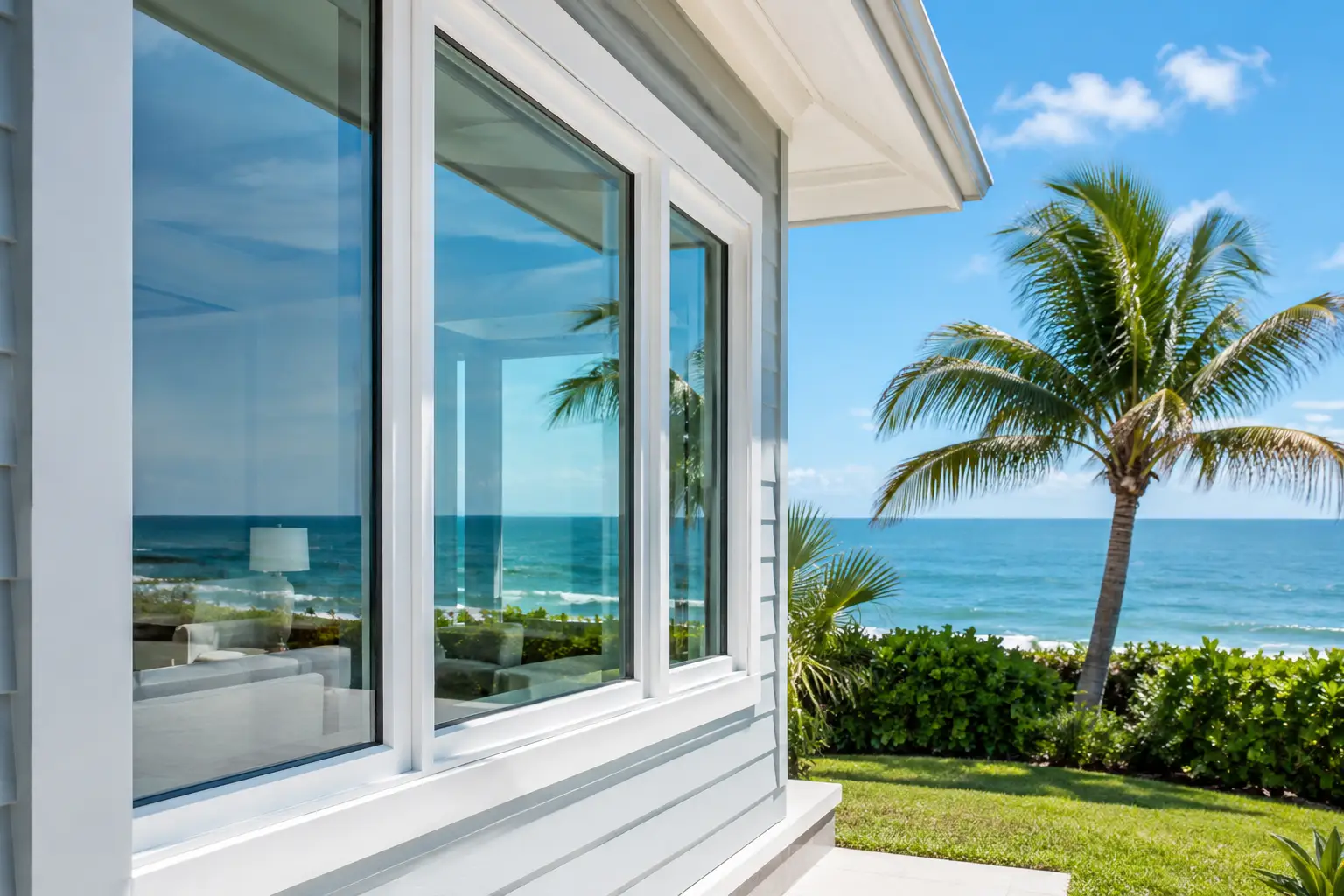
A coastal window has to do more than look good from the curb. It must stand up to wind pressure, flying debris, salt air, driving rain, and the daily heat that makes South Florida homes work harder. The best impact windows for coastal homes are not simply the strongest units on a showroom floor. They are the right approved product, properly sized and professionally installed for your specific home.
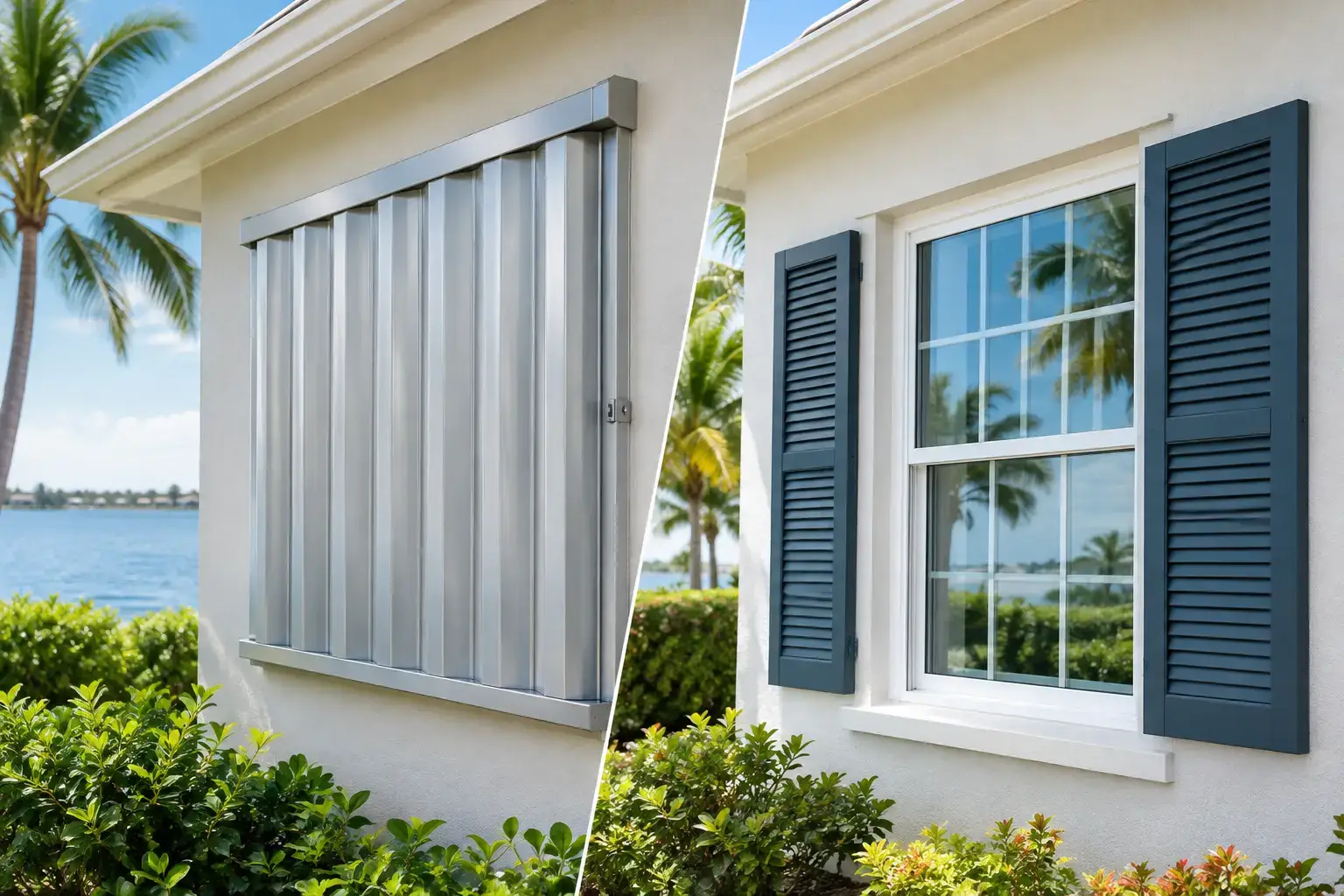
For homeowners in Boynton Beach and across Palm Beach County, that distinction matters. A high-quality impact window can improve security, reduce outside noise, help manage solar heat, and eliminate the hassle of putting up shutters before a storm. But the product and installation choices should be based on more than a sales pitch.
What Makes an Impact Window Right for a Coastal Home?
Impact windows use laminated glass: two panes of glass bonded around a durable interlayer. If the outer glass breaks from a wind-borne object, that interlayer is designed to hold the opening together. This helps protect the home from a dangerous breach during a storm.
That protection is critical because once wind enters through a broken window or door, pressure inside the home can increase quickly. The roof, walls, and other openings then face forces they were not designed to handle. Windows are part of your home’s protective envelope, not just a finish selection.
The right coastal window also needs a frame and hardware system built for Florida conditions. Strong glass is only one piece of the assembly. The frame, locks, tracks, fasteners, and anchors must perform together under pressure.
Start With the Ratings, Not the Appearance
Two windows can look nearly identical and have very different performance capabilities. Before choosing a style or frame color, ask how the window is approved for your home’s wind zone and opening size.
Design Pressure Rating
Design pressure, often called DP, indicates how much positive and negative wind pressure a window system is tested to withstand. Positive pressure pushes against the window from outside. Negative pressure pulls outward as wind passes over the building.
A larger opening, a higher floor, or a home closer to exposed water can require a higher-rated product than a smaller, more sheltered opening. This is why a window selection should be matched to actual measurements and site conditions. A rating that works in one opening may not be appropriate in another.
Impact Testing and Product Approval
Look for impact-rated windows that have the proper Florida product approval for the intended use. In certain South Florida jurisdictions, Miami-Dade Notice of Acceptance may also be required or preferred depending on the local code requirements and project location.
The paperwork is not an afterthought. It identifies the approved product, allowable sizes, glass options, and installation requirements. A professional contractor should review these details before ordering materials, not after the windows have arrived.
Water Resistance Matters Too
Coastal storms bring more than wind. They bring wind-driven rain that can find every weak point in a window assembly. A window with strong impact performance still needs good water resistance, correct sill preparation, drainage paths, and careful perimeter sealing.
This is one reason installation quality deserves as much attention as the window brand. Water intrusion is often an installation issue, not a glass issue.
Choose the Glass Package for Sun, Storms, and Comfort
Laminated impact glass is the starting point, but the glass package can be tailored to how your home faces the sun and how you use each room. In South Florida, low-E coatings and appropriate tint options can help reduce solar heat gain while keeping rooms bright.
For a west-facing living room that gets intense afternoon sun, heat-control glass can make a noticeable difference in comfort. For a waterfront view, homeowners may prefer a clearer option that protects the view while still meeting impact requirements. The best choice depends on orientation, shading, window size, and your priorities for light versus heat control.
Do not assume darker glass is always better. A heavier tint can change the appearance of your home, reduce visible light, and affect the look of interior spaces. Ask to see samples outdoors and consider how the glass will look from both inside and outside.
Impact glass also offers a practical benefit many homeowners notice right away: reduced exterior noise. It will not make a home silent, but the laminated construction can soften traffic, neighborhood activity, and storm noise compared with older single-pane windows.
Frame Materials: Aluminum or Vinyl?
For coastal homes, aluminum and vinyl are both common choices. Neither is automatically best for every project.
Aluminum frames are slim, strong, and well suited for large openings and modern sightlines. They are frequently selected for expansive glass areas, contemporary homes, and openings where structural performance is a major consideration. In a salt-air environment, finish quality and maintenance matter. Homeowners should periodically rinse exterior frames and inspect hardware to remove salt residue and catch small issues early.
Vinyl frames can provide good insulation and can be a strong fit for many residential window replacements. They are often a practical option for standard-size openings and homeowners focused on thermal performance. However, the exact product rating, frame construction, and approved size limits still need to match the opening.
Rather than choosing based on material alone, compare the full approved system: glass, frame, reinforcement, hardware, dimensions, and installation method. A well-specified window will serve you better than a familiar label with the wrong configuration.
Select a Window Style That Supports Daily Living
A coastal home should feel easy to live in after the project is complete. Window operation matters, especially for cleaning, ventilation, security, and emergency egress.
Single-hung and horizontal roller windows are common in Florida because they are straightforward and work well in many openings. Casement windows can provide wide ventilation and a tighter seal when closed, though they need clear space to swing. Picture windows maximize views and daylight but do not open. They often work best when paired with operable windows nearby for airflow.
Bedroom windows deserve extra attention. In addition to storm protection, they may need to meet emergency escape and rescue requirements based on the room and existing layout. This should be evaluated during planning, before an old window is removed.
Installation Is Where Long-Term Performance Is Decided
Even the best-rated impact window can disappoint if it is installed incorrectly. The opening must be measured accurately, the substrate must be sound, and the anchors must follow the approved schedule for that specific product.
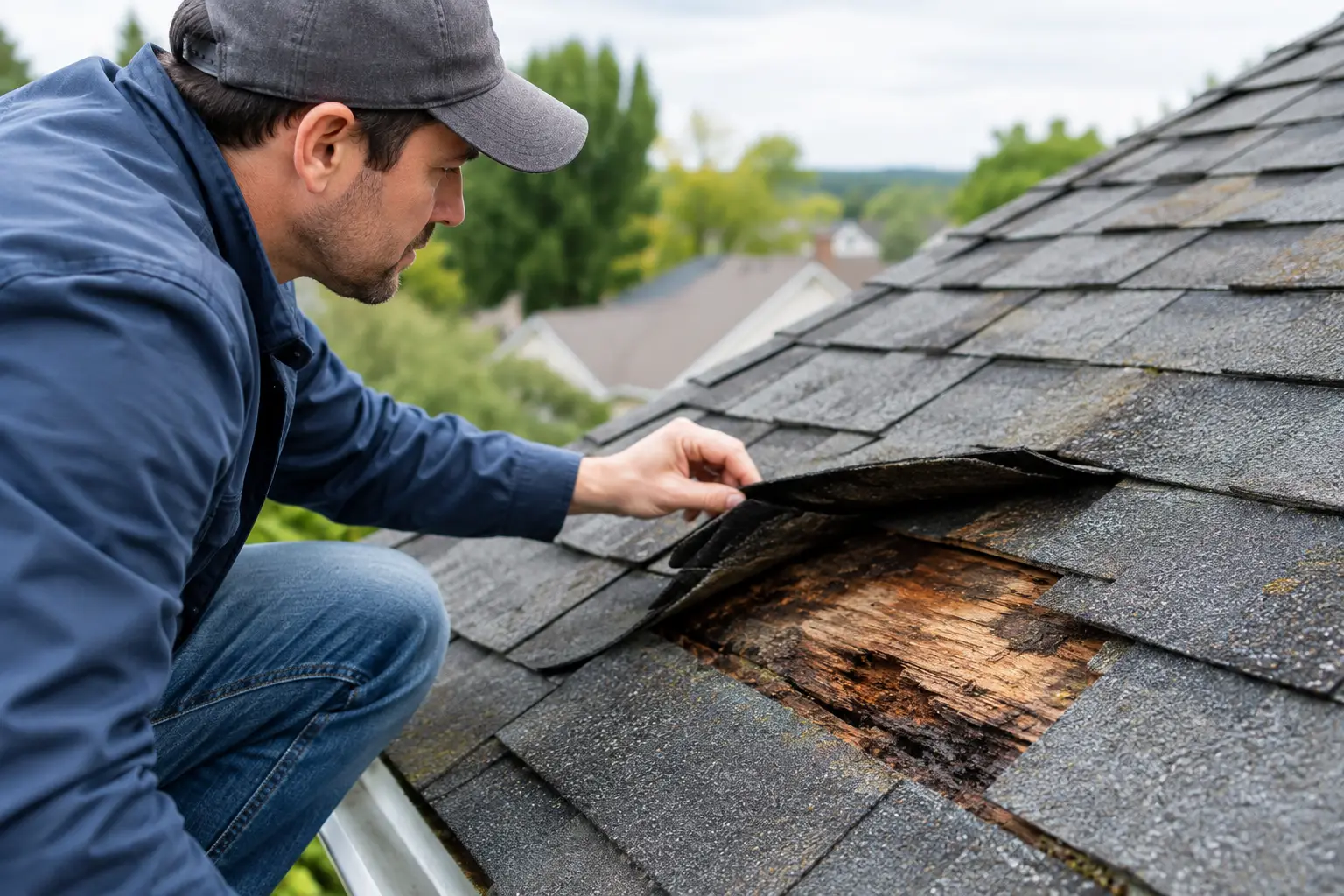
A proper installation process includes checking for damaged wood, deteriorated masonry, uneven openings, or hidden water intrusion around the existing window. Those conditions should be addressed before the new unit is secured. Covering a compromised opening with a new window may create a clean appearance today and a costly problem later.
The installer should also use the approved fasteners, spacing, edge distances, sealants, and flashing details required for the application. These details are not cosmetic. They help the window transfer wind loads to the structure and resist water at the perimeter.
At 1 OAK Home Improvement Inc., the goal is to help homeowners make this high-stakes upgrade without unnecessary stress. Clear project planning, professional installation, and attention to the home’s existing condition protect both the investment and the people inside it.
Plan Around Permits and the Whole Exterior
Impact window replacement typically requires permits and inspections. A properly managed project accounts for product approvals, opening sizes, installation details, and local requirements from the beginning. Permits help confirm that the work is being completed to the applicable standards, which can matter for safety, property records, and future home sales.
It is also smart to look beyond the windows themselves. If exterior stucco, trim, siding, or roof-to-wall areas show signs of water damage, address them before or during the project when appropriate. Your windows, doors, roof, and exterior walls work together to protect your home.
For example, a homeowner planning a roof replacement and impact window project may benefit from coordinating the schedule. It can reduce disruption and make it easier to evaluate how each system meets the other at the exterior of the home.
Questions Worth Asking Before You Choose
Ask whether the proposed windows are approved for each opening size and location, what design pressures they are rated for, and how wind-driven rain will be managed. Ask who will handle permits and inspections, what condition the installer expects to find behind the existing windows, and how any hidden damage will be documented.
You should also ask how the contractor will protect floors, landscaping, and interior finishes during removal and installation. Replacing windows is meaningful construction work. A careful crew respects the home while delivering the performance the product is designed to provide.
The best time to choose impact windows is before the next storm forecast puts you under pressure. Take the time to compare approved options, inspect the existing openings, and choose an installation team that treats your home like the investment it is.