A Storm Damage Roof Example for Florida Homes
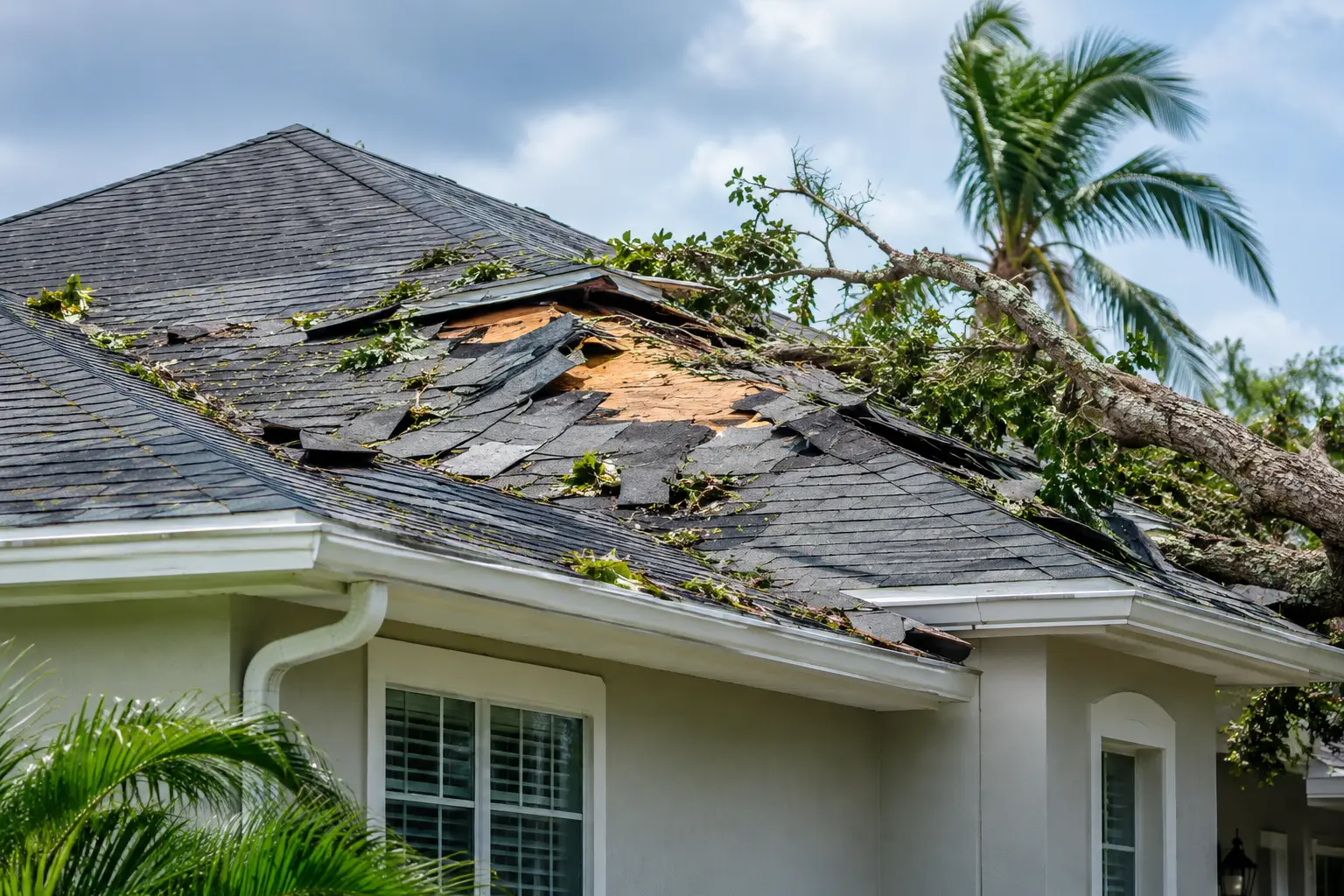
A storm can leave your yard covered in branches while your roof appears untouched from the driveway. That is what makes a storm damage roof example so useful: the visible problem is often only part of the story. In Palm Beach County, wind-driven rain can push beneath lifted shingles, crack tile edges, loosen flashing, and expose weak areas that may not leak until the next heavy downpour.
For homeowners, the right response is not panic or guesswork. It is a prompt, professional inspection that identifies what happened, protects the home from further water intrusion, and gives you a clear recommendation based on the roof’s actual condition.
A Storm Damage Roof Example at a Florida Home
Consider a single-family home near Boynton Beach after a strong tropical storm. From the street, the roof looks mostly intact. A few palm fronds are on the ground, but there are no obvious holes and no ceiling stains inside. The homeowner notices one shingle tab in the driveway and calls for an inspection before the next forecasted rain.
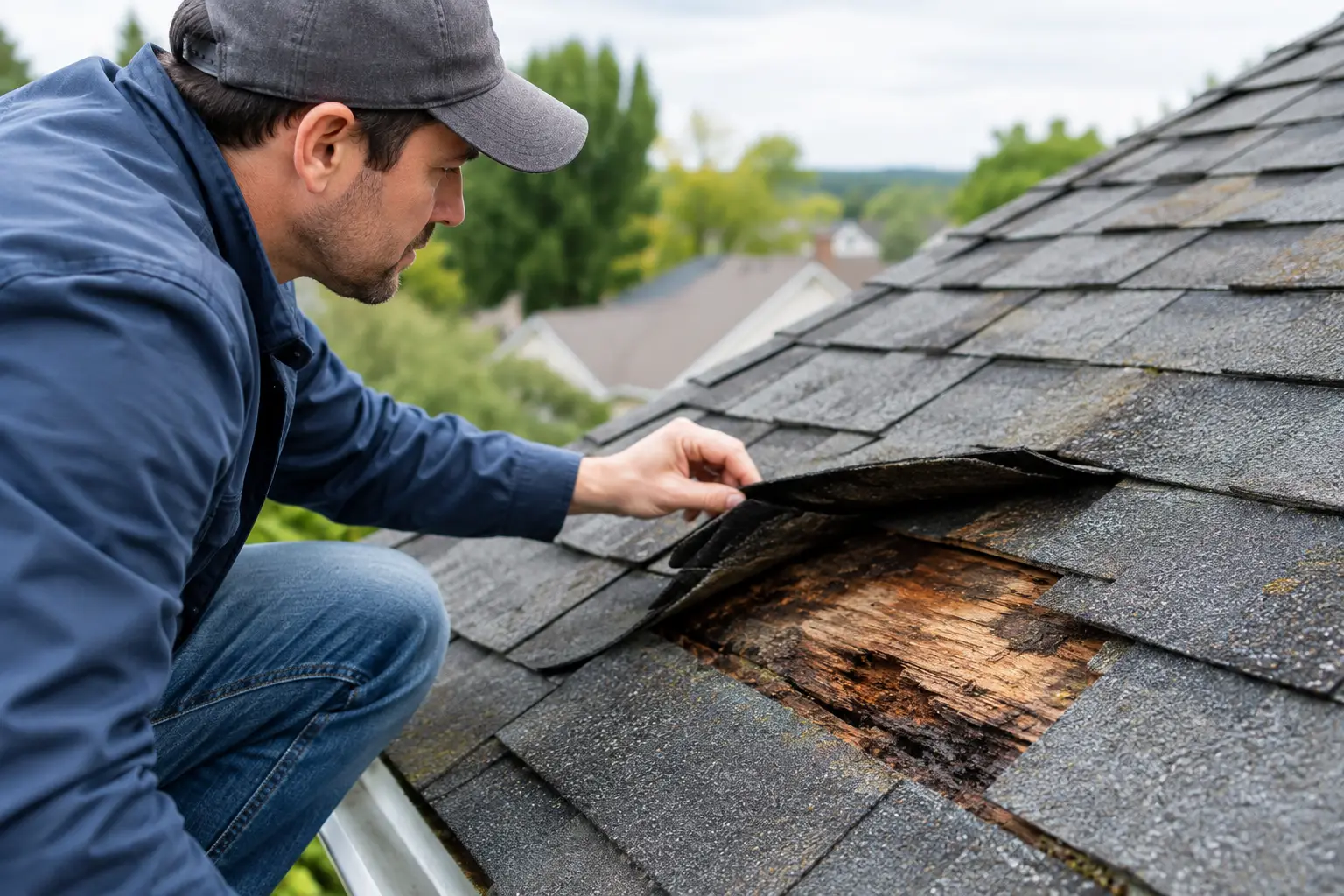
At first glance, the missing shingle seems like a minor repair. A closer roof inspection tells a more complete story. Several shingles along the windward roof slope have lifted and lost their seal. The lifted edges have creases that weaken the material, even where the shingles remain attached. Around a plumbing vent, the flashing is slightly displaced. On the rear slope, wind-driven debris has damaged a small area near a valley where water naturally concentrates.
None of these issues alone necessarily means the entire roof must be replaced. Together, however, they create several entry points for water. This is the distinction homeowners need to understand: a roof can look presentable while its weather barrier has been compromised.
What happened after the storm
In this example, the immediate priority is preventing additional damage. A qualified roofing contractor photographs the affected areas, documents the lifted and creased shingles, and checks the attic for moisture, wet insulation, or signs that water has traveled beyond the visible roof damage.
The attic inspection finds no active interior leak, which is good news. Still, the damaged shingles and flashing need attention before another storm. The contractor explains which conditions can be repaired and which findings may point toward replacement if the damage is widespread or the roof is already near the end of its service life.
That explanation matters. Homeowners deserve more than a quick statement that they “need a new roof” or that “it is nothing.” A dependable recommendation should connect the roof’s age, material, storm damage pattern, existing repairs, and the risk of future leaks.
Why Storm Damage Is Not Always Easy to See
Florida roofs take more than one kind of beating during a storm. Wind can break the seal beneath shingles without tearing them completely off. Tile can shift, crack, or lose pieces at edges and ridges. Metal panels may remain in place but develop loosened fasteners or damaged flashing. Flat roofs can suffer punctures, open seams, or ponding water where drainage has been affected.
Wind-driven rain creates another challenge. Rain does not always fall straight down. During a severe storm, it can be pushed sideways and upward into roof transitions, vents, valleys, wall flashing, and other vulnerable details. A roof that handled ordinary rain may leak under these conditions if any component has loosened.
Interior stains are also delayed evidence. By the time a brown spot appears on a ceiling, water may have already affected underlayment, decking, insulation, or drywall. Waiting for an obvious indoor leak can turn a focused roof repair into a broader restoration project.
Repair or Replacement Depends on the Full Picture
A storm damage roof example should not lead to one automatic answer. Repair is often appropriate when the damage is limited, surrounding materials remain sound, and compatible materials can be installed correctly. Replacing a handful of wind-damaged shingles, resetting a limited tile area, or repairing flashing can restore protection when the rest of the roof has sufficient life remaining.
Replacement becomes the stronger option when storm damage is widespread, the existing roof is aging, or the damaged materials cannot be reliably matched or repaired without creating new weak points. Multiple failed areas across different slopes may indicate that the roof system has been stressed beyond a simple spot repair. The condition of the underlayment and roof deck also matters, especially when water has entered beneath the surface materials.
There are trade-offs. A repair can be the efficient, practical choice for a newer roof with isolated damage. But repeatedly repairing an older roof may delay a decision without reducing the risk of future leaks. The best path depends on evidence, not pressure.
What to Do in the First 24 Hours
After a major storm, avoid climbing onto the roof yourself. Wet surfaces, loose materials, and hidden structural issues make that dangerous. Start from the ground and inside the home.
Take clear photos of fallen shingles, tiles, metal pieces, branches, damaged gutters, and any visible roof concerns. Indoors, photograph ceiling stains, peeling paint, dripping areas, or water around light fixtures. If water is actively entering the home, move belongings out of the area and use containers to catch drips where it is safe to do so.
Then arrange a professional inspection as soon as conditions allow. A thorough evaluation should look beyond the obvious missing material. It should include roof slopes, ridges, valleys, penetrations, flashing, gutters, attic conditions, and signs of moisture around the roof deck.
Keep storm-related photos and inspection documentation together. Clear records help homeowners understand the scope of work and make informed decisions about protecting the property.
Questions a Proper Roof Inspection Should Answer
A useful inspection gives you specific answers, not vague reassurance. You should know where the damage is located, whether it is limited or widespread, whether water has entered the roofing system, and what work is needed to restore protection.
Ask whether the roof deck is sound, whether the underlayment has been exposed or damaged, and whether vents, flashing, or drainage components need attention. If a repair is recommended, ask how it will tie into the existing roof and whether the materials are compatible. If replacement is recommended, ask what conditions make replacement the safer long-term solution.
For tile, shingle, metal, and flat roofs, the details differ, but the standard should be the same: careful diagnosis, clear communication, and work that respects your home as a major investment.
A Local Response Matters After Severe Weather
In Boynton Beach and across Palm Beach County, storm season puts roofs under repeated stress. Heat, sun exposure, humidity, and prior repairs can all affect how a roof performs when high winds and heavy rain arrive. A roof that survived one storm may still have hidden weaknesses that show up during the next one.
1 OAK Home Improvement Inc. approaches storm-related roofing work with that reality in mind. The goal is not simply to cover a visible issue. It is to identify the source of the vulnerability, explain the condition plainly, and complete quality work that helps protect the home from the next round of weather.
If your roof has been through a storm, do not judge its condition from the driveway alone. A timely inspection can turn uncertainty into a practical plan and help keep a small issue from becoming the leak you discover too late.