Window Installation Examples for Florida Homes
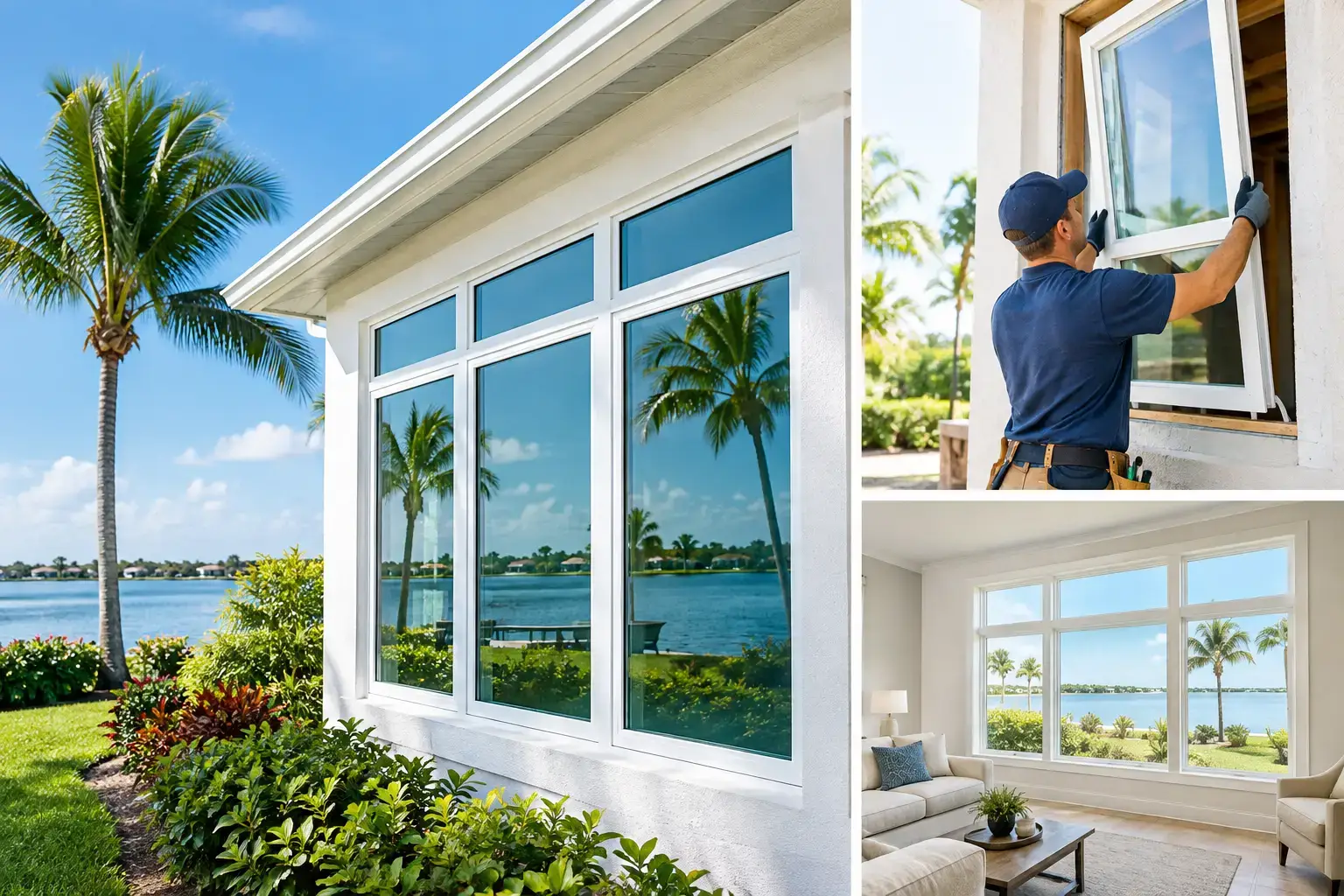
A window replacement is easy to judge from the street when it looks good. The details that protect your home during a South Florida storm are harder to see. These window installation examples show how the right scope, opening preparation, products, and finishing work come together for homeowners who want stronger protection without unnecessary stress.
Window Installation Examples That Solve Real Problems
Every house has a different reason for replacing windows. Some homeowners are responding to cracked glass, water intrusion, or difficult-to-operate frames. Others want impact protection, better security, lower outside noise, and a cleaner look that supports property value. The best installation approach depends on the condition of the existing opening, the wall construction, the size of the glass, and local permitting requirements.
Example 1: Replacing aging single-hung windows with impact windows
A common project in Boynton Beach and throughout Palm Beach County is replacing older single-hung windows with impact-rated units in the same openings. This can be a smart choice when the existing window size works well for the room but the old frames are worn, drafty, or no longer provide the protection a homeowner wants.
The installer begins by removing the old sash and frame carefully, then inspecting the rough opening for damaged wood, cracked stucco, or signs of past leaks. The new impact window must be set level and square so it opens, locks, and seals correctly. Approved fasteners, spacing, and edge distances matter because they are part of the window system's tested performance.
Once secured, the perimeter is sealed and the exterior stucco or trim is restored as needed. Inside, clean finish work makes the replacement look like it belongs in the home rather than like an afterthought. The visible result may be simple, but the work behind the frame determines whether the window performs when heavy rain and wind arrive.
Example 2: Upgrading a picture window for more light and protection
A large fixed picture window can make a living room feel open and bright, especially where a home faces a pool, garden, or waterfront view. It can also be one of the most demanding window installations because large glass panels are heavy and the opening must support them properly.
For this type of project, measurements cannot be rushed. The contractor confirms the exact opening dimensions, checks the wall condition, and selects a window rated for the location and exposure. A window that looks similar on paper may have different design pressures, glass options, and installation requirements. Those details should match the home, not just the desired appearance.
Fixed impact glass offers a wide view with no meeting rails or operating hardware. The trade-off is that it does not provide ventilation. Many homeowners pair a picture window with operable impact windows on either side, getting daylight and views while still allowing fresh air into the room when conditions are right.
Example 3: Converting several small windows into one larger opening
Sometimes the goal is not simply to replace old windows. A homeowner may want to remove a dated group of narrow windows and create a wider opening that changes the feel of the room. This is a structural alteration, not a standard replacement, and it requires careful planning.
Before any wall is opened, a qualified contractor needs to determine whether the existing framing carries roof, floor, or other loads. The new opening may require a properly designed header, revised framing, and permits. In a masonry home, the scope can also involve concrete cutting, reinforcing the opening, and repairing surrounding stucco.
The finished transformation can be dramatic: more natural light, a stronger connection to the outdoor space, and a more current architectural look. But this is one area where choosing the right contractor is more important than choosing the fastest estimate. A larger opening has to be framed, secured, waterproofed, and finished with precision.
Example 4: Installing impact windows in a coastal exposure area
Homes near the coast can face intense wind-driven rain, salt air, and strong storm exposure. For these properties, the product selection and perimeter detailing deserve extra attention. Impact windows are designed to help protect the opening when flying debris strikes the glass, but performance depends on proper installation as well as the product itself.
A careful project considers the window's approved rating, the specific opening size, and the condition of the substrate receiving the anchors. Fasteners need to be compatible with the wall construction and installed according to the approved schedule. Sealant work should create a dependable weather barrier while allowing the system to perform as intended.
Salt air also affects long-term maintenance. Homeowners should regularly rinse exterior frames, tracks, and hardware with fresh water and follow the manufacturer's care instructions. Small maintenance habits help preserve smooth operation and a clean appearance.
Example 5: Replacing windows during a roof or exterior renovation
Window work and roofing work often affect the same exterior details, especially around upper-story openings, wall transitions, flashing, and stucco repairs. When both projects are planned together, sequencing can reduce avoidable rework.
For example, a homeowner replacing a roof and impact windows may benefit from having the contractor coordinate access, protection for landscaping, debris control, and exterior repairs. The roof crew and window crew still perform different scopes of work, but the overall project can be managed with a clearer plan. This is particularly valuable when water stains or exterior cracking make it difficult to identify whether the original issue began at the roof, wall, or window perimeter.
At 1 OAK Home Improvement Inc., the focus is on protecting the home as a complete system. That means looking beyond the glass to the surrounding materials, the condition of the opening, and the finish work that helps keep water where it belongs: outside.
What a Quality Window Installation Should Include
The right window is only one part of the investment. Homeowners should expect a clear explanation of what will happen before, during, and after installation. A professional scope should address measurements, permit needs, product specifications, removal of old materials, installation methods, sealing, interior and exterior finishes, cleanup, and final operation checks.
During the installation, it is normal for a crew to protect floors, furniture, and nearby landscaping. There may be noise, dust, and temporary openings while old units are removed. Good planning helps minimize the disruption, but replacement windows are construction work, not a no-impact service. Clear communication about the schedule and what rooms need to be accessible helps the process stay organized.
After each window is installed, check that it opens and closes smoothly if it is operable, locks correctly, and has no visible gaps around the frame. Look at the interior trim and exterior sealant lines as well. A clean finish matters, but it should never be used to hide an uneven frame, damaged wall surface, or poor installation.
Choosing the Right Example for Your Home
The best example is not always the most dramatic one. A direct, same-size impact window replacement may be the right move for a homeowner focused on storm protection, security, and lower noise. A larger opening may make sense when a renovation includes structural changes and the goal is to reshape a room. A picture window may be ideal for a view-focused space, while operable units are better where ventilation is a priority.
Start with the reason you are replacing the windows, then evaluate the condition of the surrounding walls and the way each room is used. A dependable contractor can explain the available options in plain language, identify where extra repair work may be needed, and help you make a decision that fits your home rather than forcing a one-size-fits-all solution.
Your windows should do more than improve curb appeal. When they are selected and installed with care, they help protect your greatest investment, make everyday rooms more comfortable, and give you more confidence when the forecast turns serious.