Wind Mitigation Roofing for Palm Beach Homes
A roof can look perfectly fine from the driveway and still have weak points where high winds do their damage. In Palm Beach County, wind mitigation roofing is not just about choosing attractive shingles or tiles. It is about how the entire roof assembly works together to keep the structure protected when a tropical storm or hurricane arrives.
For homeowners in Boynton Beach and nearby coastal communities, that distinction matters. Strong winds can lift roof coverings, pull at edges, loosen flashing, and create openings that let water into the home. A well-planned roof replacement or repair addresses those vulnerable areas with the right materials, installation methods, and attention to detail.
What Wind Mitigation Roofing Means
Wind mitigation roofing refers to roofing practices and construction features that help a home better resist wind pressure and windborne debris. The goal is not to promise that a roof can withstand every possible storm without damage. The goal is to reduce avoidable risk by strengthening the parts of the roof most likely to fail first.
A roof is a system, not simply a surface layer. Shingles, tile, metal panels, underlayment, fasteners, decking, flashing, vents, and roof-to-wall connections each have a role. If one component is weak or incorrectly installed, high winds can exploit that weakness.
This is why a lower-cost patch or surface-only repair is not always the right answer. When the roof is nearing the end of its service life, there may be concealed decking deterioration, outdated attachment methods, or compromised underlayment beneath the visible roof covering. A professional inspection helps determine whether targeted repairs can provide meaningful protection or whether replacement is the more responsible long-term choice.
The Roofing Details That Make a Difference
Wind resistance begins beneath the roof covering. Roof decking must be sound and properly attached to the framing. If the decking has water damage, gaps, or inadequate fastening, it may not perform as intended during a major wind event. Replacing damaged decking during a roof project is not an optional cosmetic upgrade. It is part of creating a dependable foundation for the new roof system.
Underlayment is another critical layer. It provides secondary water protection if wind-driven rain gets beneath shingles, tile, or metal panels. The correct underlayment and installation method depend on the roof type, slope, and applicable building requirements. A quality installation pays close attention to overlaps, seams, transitions, penetrations, and edge details, because water rarely enters through the middle of a properly installed field of roofing. It often finds the small openings around those details.
The roof perimeter deserves special attention. Eaves, rakes, ridges, and other exposed edges face greater wind pressure than the center of the roof. Properly installed drip edge, starter materials, flashing, and fastening help prevent wind from getting underneath the roofing material and beginning a chain reaction of uplift.
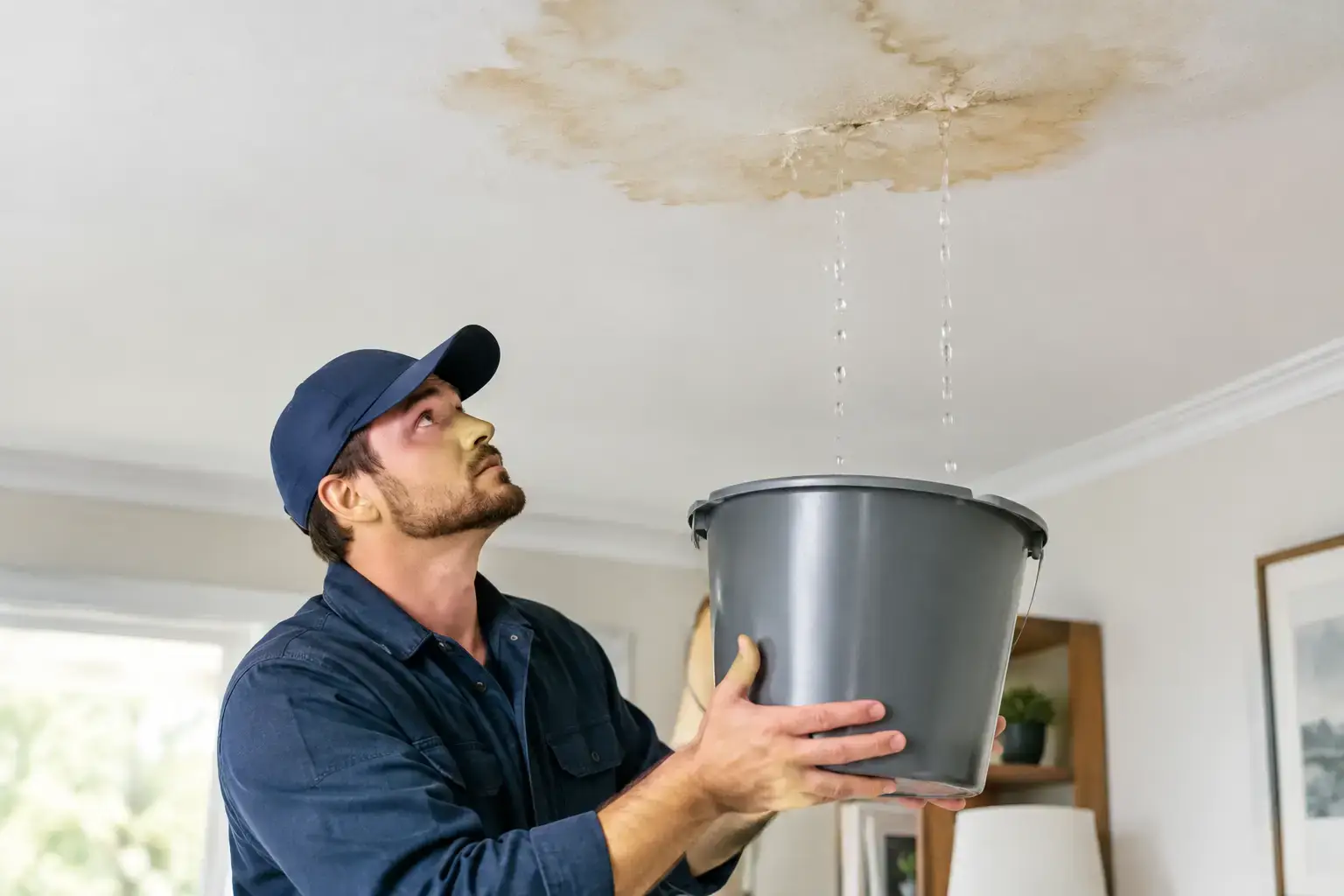
Ventilation components, skylights, pipes, and other penetrations must also be secured and flashed correctly. These are necessary features of many homes, but each one interrupts the roof surface. Careful workmanship around these areas can make the difference between a dry attic and a leak that spreads into ceilings, insulation, and interior walls.
Roof Material Matters, but Installation Matters More
Homeowners often ask which roofing material is best for hurricane conditions. There is no single answer for every property. Tile, shingle, metal, and flat roofing systems can all perform well when they are specified correctly and installed by a qualified contractor.
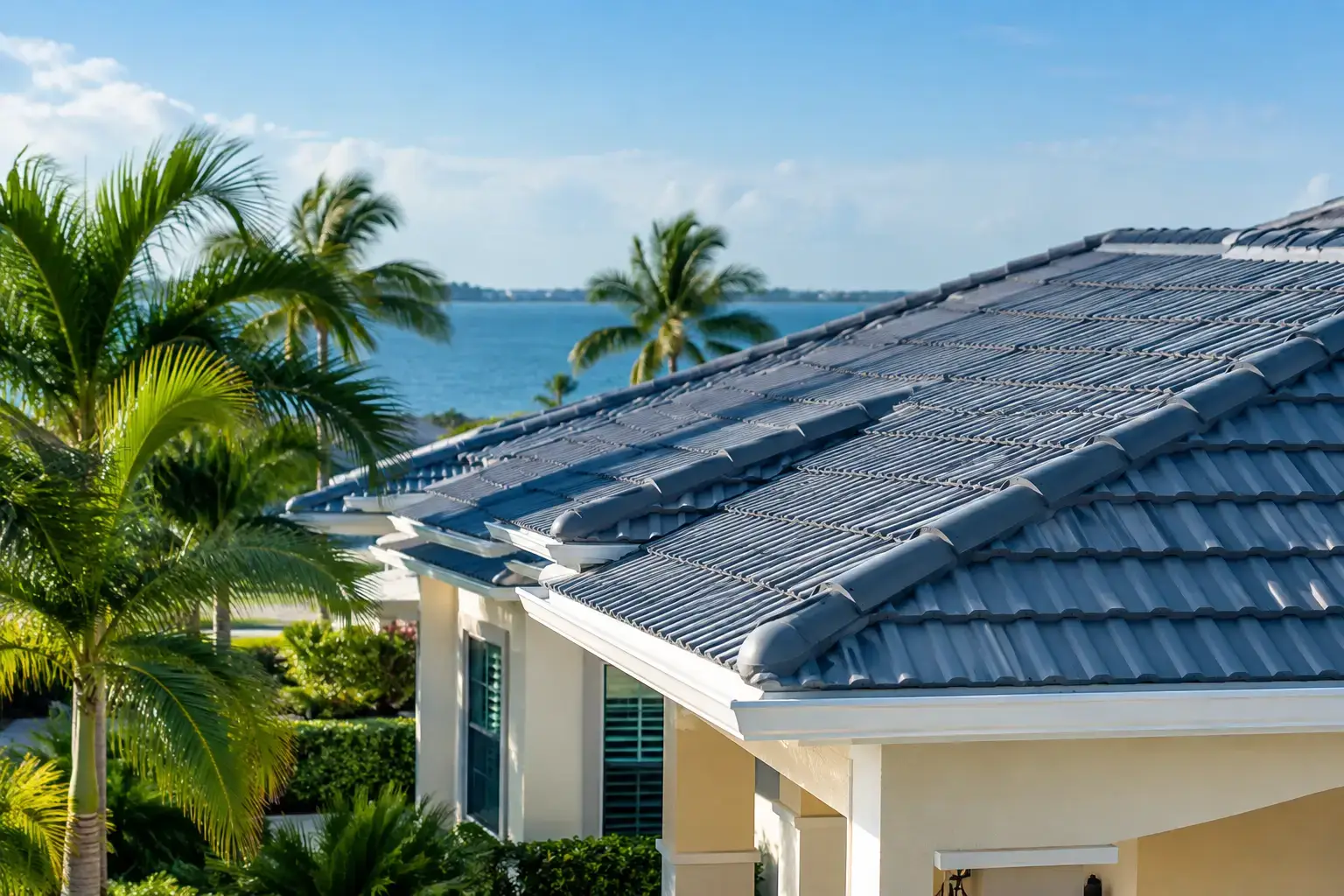
Tile roofs are a familiar choice throughout South Florida and can offer long-lasting curb appeal. However, cracked or displaced tiles, aging underlayment, and improper attachment can create weaknesses. The visible tile may not tell the full story, especially on an older roof.
Architectural shingles can be an excellent option when selected for appropriate wind ratings and installed with the correct fastening pattern. They are often a practical choice for homeowners who want reliable protection and a clean appearance without the added weight of tile.
Metal roofing is valued for its durability, secure panel systems, and ability to shed water efficiently. It requires precision at seams, fasteners, trim, and penetrations. A metal roof is only as dependable as the installation details that secure it.
Flat and low-slope roofs need their own approach. Water management is especially important because ponding water and drainage issues can shorten the life of the system. Proper membrane installation, flashing, drains, and transitions are essential for protecting the building envelope.
Material selection should reflect the home’s roof design, structural considerations, neighborhood requirements, budget, and long-term maintenance expectations. The strongest choice is the one that fits the property and is installed without shortcuts.
Wind Mitigation Inspections and Roofing Work
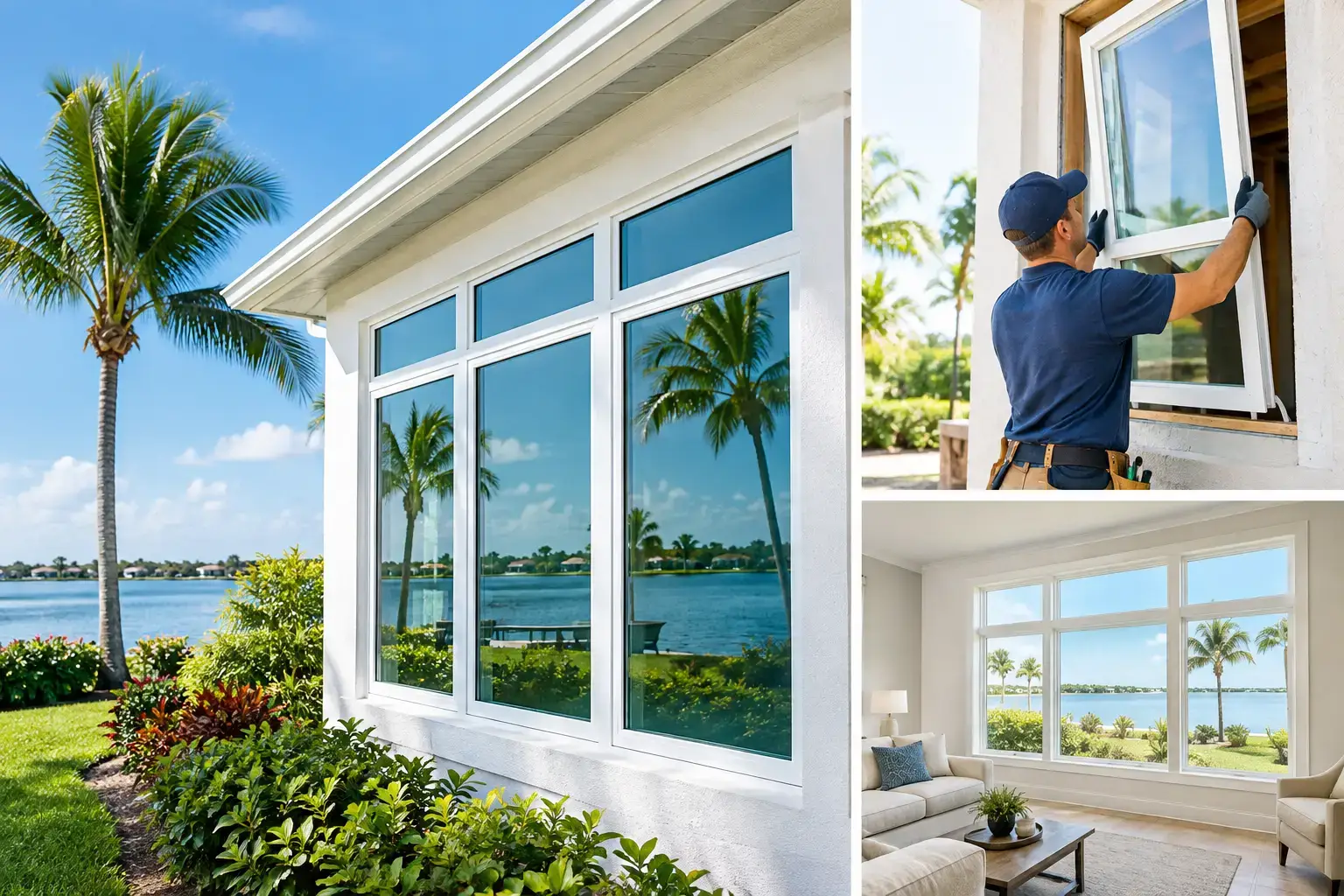
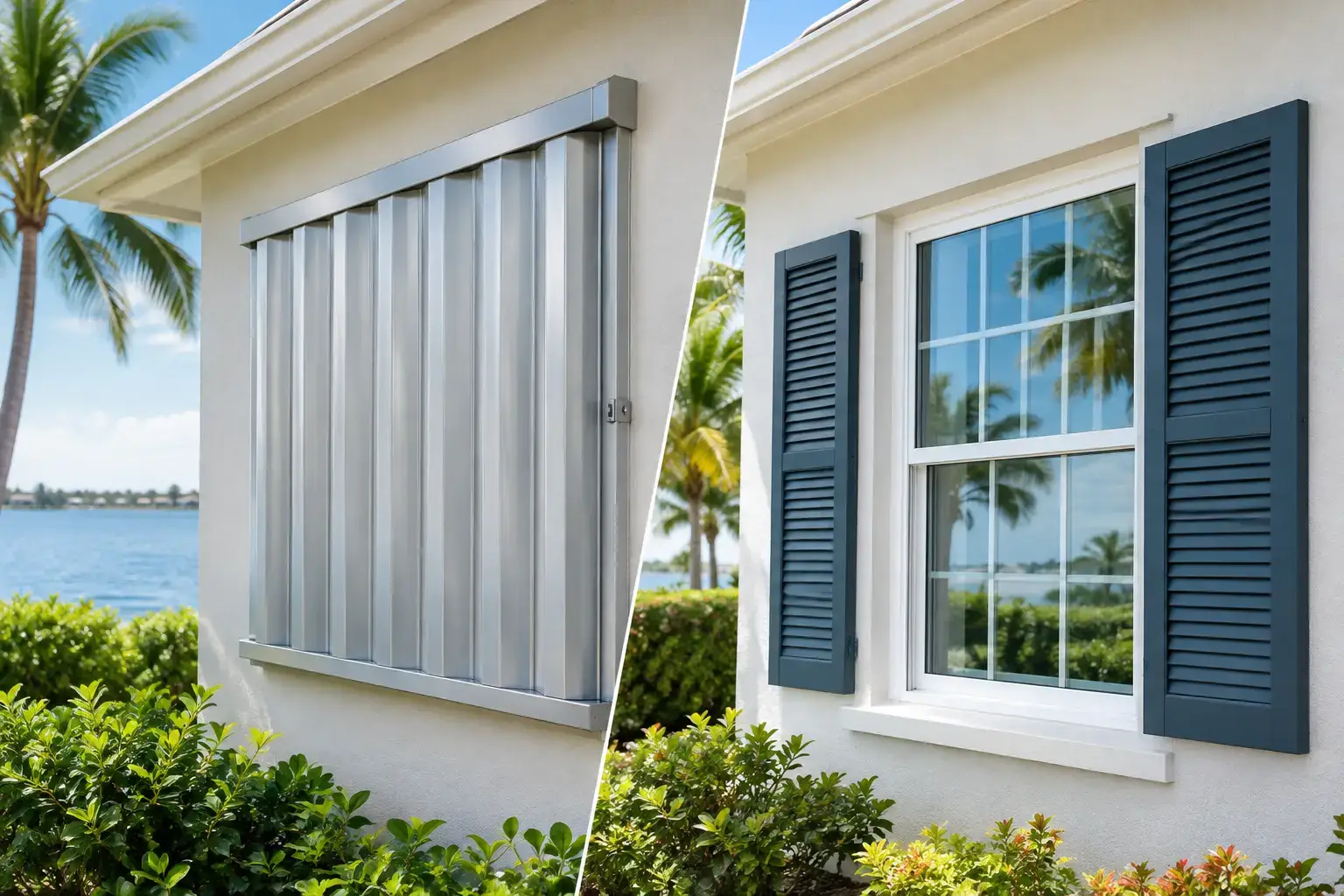
A wind mitigation inspection evaluates certain construction features that may help demonstrate how a home is protected against wind damage. This can include the age and design of the roof, roof deck attachment, roof-to-wall connections, roof geometry, and opening protection.
A roofing contractor can identify conditions that may affect roof performance and can complete roofing work needed to correct deficiencies. An inspector, however, documents the qualifying features present at the time of the inspection. These are related services, but they are not the same thing.
If you are planning a roof replacement, it is smart to discuss wind-related construction details early in the process. Ask how damaged decking will be handled, what underlayment system is proposed, how flashing will be installed, and how the crew will protect landscaping and the property during work. Clear answers are a sign that the contractor is focused on the full project, not simply the visible roof covering.
Homeowners should also keep copies of permits, product information, warranties, and project photos when available. Good documentation can be useful for future maintenance, property records, and insurance conversations. Requirements and potential insurance benefits can vary, so it is best to verify details directly with your insurance provider.
Signs Your Roof May Need Attention Before Storm Season
Waiting for a leak is rarely the best maintenance plan. Roof problems can begin long before water reaches the ceiling. Loose or missing shingles, cracked tiles, lifted flashing, exposed fasteners, soft areas, granules in gutters, stains in the attic, and recurring repairs all deserve professional attention.
Age is another factor. Even a roof that appears serviceable may be approaching the point where its materials and protective layers have declined. South Florida sun, heat, salt air, humidity, and heavy rain place constant stress on roofing systems. A roof that performed well years ago may need a closer evaluation before the next hurricane season.
Do not overlook drainage. Clogged gutters, damaged downspouts, and roof valleys that collect debris can trap water where it does not belong. Keeping the roof and drainage system clear supports the life of the roof and gives an inspector a better view of its true condition.
Choose Workmanship You Can Trust
Roof replacement is a high-stakes investment because your roof protects everything beneath it. The right contractor should be licensed, insured, communicative, and prepared to explain the condition of your roof in plain language. You deserve to understand what work is recommended, why it is needed, and how it supports your home’s protection.
At 1 OAK Home Improvement Inc., our focus is precision, punctuality, and professional roofing work for homeowners across Palm Beach County. Whether your home has tile, shingle, metal, or a flat roof, the objective is the same: quality workmanship that helps protect your home without adding unnecessary stress.
Before storm season builds momentum, schedule a professional roof evaluation rather than relying on appearances alone. A careful look at the roof you have today can give you a clearer path toward a safer, better-protected home tomorrow.