


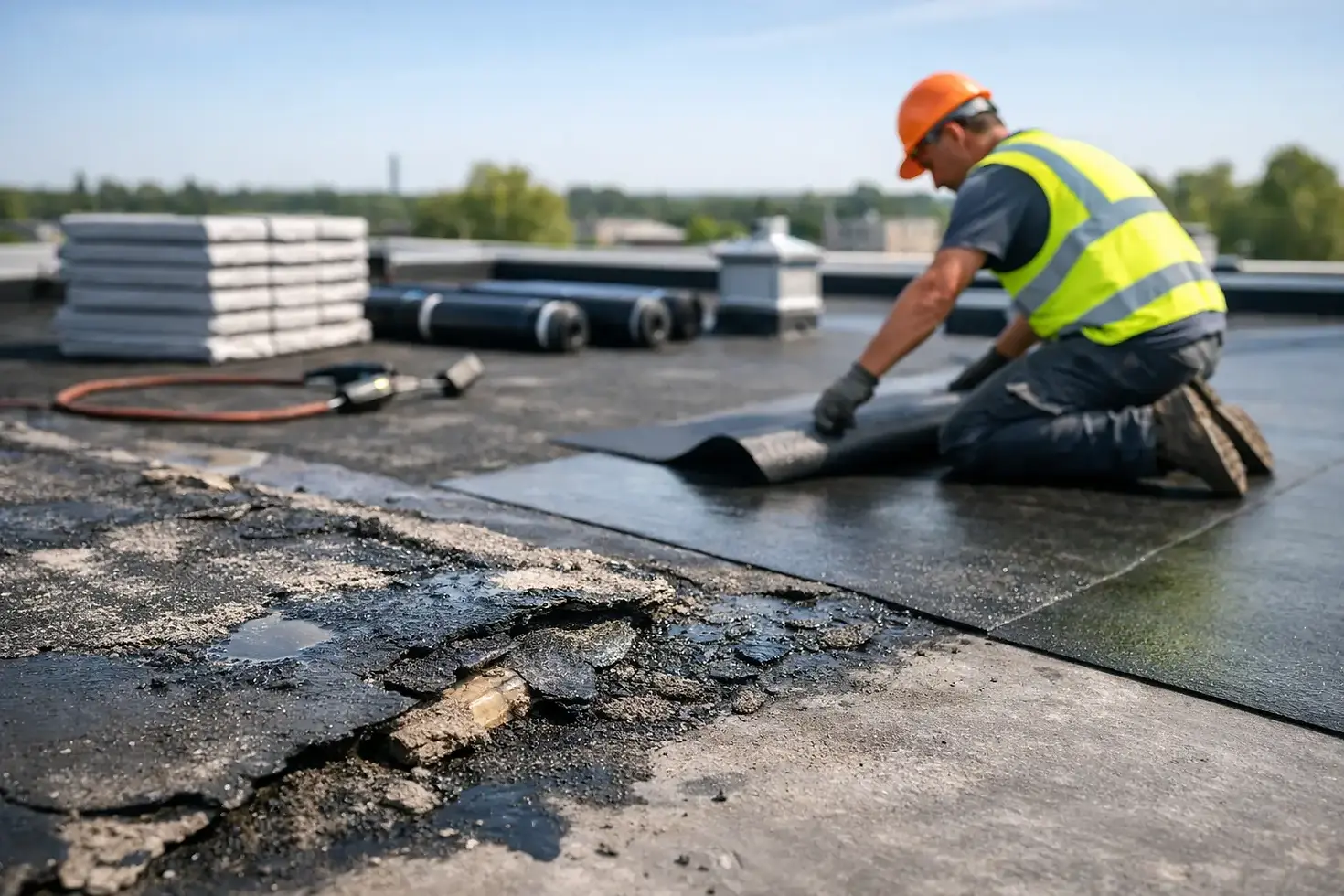
When Is Flat Roof Replacement Necessary?

A flat roof rarely fails all at once. More often, it starts with a small ceiling stain after a hard rain, a puddle that lingers longer than it should, or cracked material around a vent pipe. In South Florida, where intense sun, wind-driven rain, humidity, and hurricane season put every roof to the test, flat roof replacement is often the smartest way to protect the home before minor damage turns into a larger repair.
Flat and low-slope roofs are common on additions, patios, garages, modern homes, and commercial-style residential designs. They can perform exceptionally well, but they need the right material, drainage, installation details, and maintenance. The goal is not simply to put a new surface on top. It is to create a complete roofing system that sheds water, resists UV exposure, and protects the structure beneath it.
When a Flat Roof Needs More Than a Repair
A repair is often worthwhile when the problem is isolated and the overall roof system remains in good condition. For example, a small puncture, an open seam, or worn flashing around one penetration may be corrected without replacing the whole roof.
Replacement becomes the better long-term decision when the roof has widespread wear, recurring leaks, trapped moisture, or an aging system that has reached the end of its service life. Repeated patching can buy time, but it cannot restore damaged insulation, weak decking, or material that has become brittle under years of Florida sun.
Watch for these signs that merit a professional roof inspection:
Water stains, peeling paint, or soft spots on ceilings and walls
Ponding water that remains on the roof more than 48 hours after rainfall
Blisters, cracks, splitting seams, exposed reinforcement, or loose membrane edges
Deteriorated flashing around drains, skylights, HVAC equipment, or parapet walls
Frequent leak repairs in different areas of the roof
Some warning signs are not visible from inside the home. A roof may look acceptable from the ground while moisture is working its way beneath the membrane. That is why a hands-on inspection matters. A qualified contractor can evaluate the visible roof surface, drainage paths, edge details, flashing, and any signs that water has affected the underlying structure.
Why South Florida Flat Roofs Face Different Demands
Flat roofs do not truly have to be perfectly flat. They need a designed slope that moves water toward drains, scuppers, or gutters. When drainage is poor, standing water adds stress to the membrane and can expose weak seams or flashing details over time.
Heat is another major factor. South Florida roofs absorb intense ultraviolet exposure nearly every day of the year. The roofing material expands under heat and contracts when temperatures change or storms pass through. Over years, that movement can cause seams and transitions to weaken if the roof was not installed with care.
Wind resistance is equally important. A flat roof must be properly attached at the perimeter and around corners, where wind uplift forces can be strongest. Flashing, edge metal, and membrane attachment are not small details. They are part of the roof’s ability to perform during severe weather.
Humidity also raises the stakes after a leak begins. Water that reaches insulation or wood decking may remain hidden, creating conditions for deterioration and indoor moisture problems. Acting early protects more than the roof. It helps protect the rooms, electrical systems, and finishes below it.
Choosing the Right Flat Roofing System
The best material depends on the roof’s design, current condition, drainage, foot traffic, and exposure. There is no one system that is right for every property. A professional recommendation should account for the whole roof, not just the visible leak.
Modified Bitumen Roofing
Modified bitumen is a durable asphalt-based roofing option frequently used on low-slope residential roofs. It can provide strong weather resistance and is well suited to many South Florida applications. Installation methods and surface finishes vary, so the right approach depends on the roof assembly and the property’s needs.
Single-Ply Membranes
Single-ply systems, including TPO and PVC-style membranes, are valued for their reflective surfaces and welded seams. A lighter-colored membrane can help reduce heat absorption, which may support a more comfortable home and lessen strain on cooling equipment. These systems require careful detailing at penetrations, transitions, and edges to perform as intended.
Built-Up Roofing Systems
Built-up roofing uses multiple layers to create a durable assembly. It can be a practical choice for some flat roofs, especially where a layered system suits the existing structure. The trade-off is that the roof’s weight and the condition of the supporting deck must be evaluated carefully.
A quality recommendation explains why a specific system fits your home. It should also address drainage improvements when needed. Replacing a membrane without correcting water flow can leave the new roof facing the same preventable stress as the old one.
What Happens During Flat Roof Replacement
A well-managed replacement starts before materials arrive. The contractor should inspect the roof, identify the source and extent of damage, review access requirements, and determine whether the existing roof can be removed safely and effectively. In many cases, removing the old roofing material is the clearest way to inspect the deck and address concealed problems.
Once the existing roof is removed, the crew evaluates the roof deck. Any damaged or compromised sections should be repaired before the new roofing system is installed. Installing a new membrane over a weak substrate may hide a problem temporarily, but it does not solve it.
Next comes the roof assembly. Depending on the system, this can include insulation, cover boards, underlayment components, membrane installation, and detailed flashing. Drains, scuppers, curbs, pipes, walls, and roof edges receive special attention because these are common leak points. Precision at these transitions matters as much as the field of the roof itself.
The final stage includes cleanup and a thorough review of the completed work. Homeowners should have a clear understanding of what was installed and how to care for the roof going forward. Professionalism shows in the details: protecting the property during work, keeping the site organized, communicating clearly, and completing the project with care.
Can a New Roof Be Installed Over the Existing One?
Sometimes homeowners ask whether a new flat roof can be installed over an existing system. The answer depends on the current roof’s condition, the number of existing layers, local requirements, structural considerations, and whether moisture is trapped below the surface.
A recover may reduce demolition, but it is not always the right choice. If the existing roof is wet, uneven, poorly adhered, or near the end of its useful life, installing over it can carry old problems into the new project. Full removal gives the contractor a chance to inspect the deck, correct hidden damage, and build the new system on a sound foundation.
The right decision should be based on inspection findings, not on a one-size-fits-all recommendation.
Protecting Your New Flat Roof After Installation
Even a high-quality roof benefits from simple, regular attention. Keep drains and gutters clear so water can flow freely. After major storms, look for displaced materials, debris, or branches that may have affected the roof surface. Avoid allowing untrained workers to walk on the membrane, particularly around HVAC equipment or pipe penetrations.
An annual inspection is a practical way to catch small concerns early. It is especially valuable before and after hurricane season. Small maintenance items, handled promptly, can help preserve the life of the system and reduce the chance of an unexpected interior leak.
For homeowners in Palm Beach, Broward, and Miami-Dade counties, a flat roof should be treated as a critical weather barrier, not an afterthought. 1 OAK Home Improvement brings licensed, insured roofing expertise to replacements that demand careful planning and quality workmanship. If your roof is showing its age or you are tired of dealing with recurring leaks, a professional inspection can give you a clear path forward - and the peace of mind that your home is protected when the next storm arrives.


Comments