


Hurricane Preparedness Home Guide for Palm Beach

A hurricane does not need to make a direct hit to expose a weak roof, aging window, loose soffit, or poorly secured door. In Palm Beach County, wind-driven rain can find small openings quickly, turning a manageable repair into interior water damage. This hurricane preparedness home guide focuses on the parts of your property that deserve attention before a storm is on the map.
Your home is one of your greatest investments. Preparation is not about predicting every storm outcome. It is about reducing avoidable risks, knowing where your home may be vulnerable, and acting early enough to choose the right solution instead of rushing through an emergency repair.
Start With the Roof: Your First Line of Defense
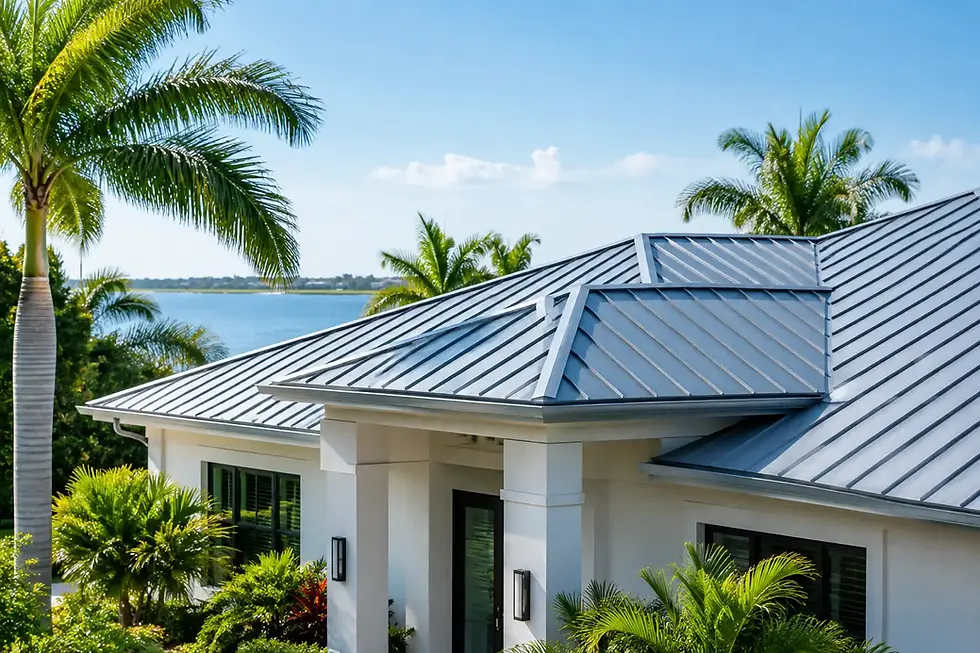
Your roof takes the full force of wind, rain, flying debris, and repeated sun exposure. A roof can look acceptable from the ground while still having lifted shingles, cracked tile, deteriorated flashing, loose fasteners, or worn sealant around vents and pipes. Those small conditions matter when rain is pushed uphill or sideways by hurricane-force wind.
Before hurricane season, schedule a professional roof inspection if you have noticed staining on ceilings, missing shingles or tiles, granules in gutters, sagging areas, or leaks after heavy rain. Even if there are no obvious signs, an inspection is a smart move for an older roof or a home that has been through several storm seasons.
A qualified roofing contractor should check more than the field of the roof. The inspection should include flashing around chimneys and walls, vent boots, skylights, valleys, drip edges, underlayment concerns, gutters, fascia, soffits, and roof-to-wall connections when accessible. These transition points are often where water intrusion begins.
Not every issue requires roof replacement. A targeted repair can be the practical answer when the rest of the roof is in sound condition. However, repeated repairs on a roof near the end of its service life can leave homeowners exposed when the next major storm arrives. The right choice depends on the roof material, age, previous repairs, visible wear, and the condition beneath the surface.
Hurricane Preparedness at Home Means Protecting Openings
Once wind gets inside a home, pressure can increase dramatically. That pressure may contribute to serious damage to the roof, walls, and other building components. Windows, exterior doors, garage doors, and sliding glass doors all need a close look before storm season.
Impact windows and doors are designed to help protect your home from wind-borne debris while improving day-to-day security and reducing outside noise. They can also be a long-term upgrade for homeowners tired of preparing and storing temporary panels every year. Still, impact products must be correctly selected and professionally installed. The product is only part of the protection. Proper attachment, sealing, and integration with the existing opening are just as important.
If your home uses shutters, inspect them well before a storm watch is issued. Confirm that every panel is present, labeled, and matched to the correct opening. Check anchors, tracks, bolts, and hardware for corrosion or damage. Do not wait until the day before a storm to discover missing fasteners or warped panels.
Exterior doors deserve the same attention. Check that each door closes and latches firmly, weatherstripping is intact, and hinges are secure. Replace worn sweeps and seals that allow wind-driven water to enter. For garage doors, confirm the door operates properly and ask a professional whether its current reinforcement is appropriate for your home.
Clear Water Away From the House
Rainfall is often as damaging as wind. Water that backs up near the foundation, spills over clogged gutters, or pools along exterior walls can create problems long after the storm has passed.
Clean gutters and downspouts before the season begins, especially if your property has mature trees. Downspouts should direct water away from the foundation and not discharge against walkways, patios, or low areas where water can flow back toward the home. Look for loose gutter sections and damaged fascia boards that may fail under the added weight of heavy rain.
Walk around your property after a normal downpour. This is one of the easiest ways to spot drainage issues before hurricane rain makes them worse. Note areas where water stands for hours, soil has washed away, or patio drains cannot keep up. Correcting drainage is not always a quick fix, but identifying it early gives you time to address the cause.
Trim dead or overhanging branches that could strike the roof, windows, fence, or power lines. Keep in mind that aggressive trimming right before a storm can create more debris and may not be practical. Routine maintenance earlier in the year is safer and more effective.
Secure the Exterior Before Watches and Warnings
When a storm is approaching, focus first on people, then property. Do not climb onto a roof, attempt major repairs, or work near power lines in worsening conditions. The preparation you can safely complete from the ground can still make a meaningful difference.
Use this short pre-storm checklist once your roof, openings, and drainage have been addressed:
Bring in patio furniture, planters, grills, décor, and anything that can become wind-borne debris.
Secure shutters or close impact-rated windows and doors according to their operating instructions.
Clear gutters, drains, and ground-level debris only when conditions are dry and safe.
Photograph the exterior and interior of your home, including the roof, ceilings, windows, and valuable belongings.
Move vehicles away from large trees, loose branches, and flood-prone areas when possible.
Keep a basic supply kit with water, food, medications, flashlights, batteries, chargers, and important documents.
Avoid using tape on windows as a substitute for storm protection. It does not prevent glass from breaking under impact. Also avoid opening windows to equalize pressure. A closed, properly protected home is safer than one that allows wind and rain inside.
Know When a Small Problem Needs Professional Attention
Homeowners often spot warning signs but postpone calling because the leak is small or only appears during hard rain. That delay can be costly. Moisture can travel along framing or under roofing materials before it becomes visible on a ceiling. By the time staining appears indoors, the source may be several feet away.
Call for an assessment if you see water stains, bubbling paint, musty odors, loose roofing material, cracked flashing, daylight in the attic, or water around windows and doors after storms. If a storm has already passed, document damage before moving or discarding affected materials when it is safe to do so.
Be cautious about anyone offering immediate work without a clear scope of repairs, proof of licensing and insurance, or a proper inspection. Storm damage creates urgency, but your home still deserves careful workmanship and accountable service. A reputable contractor will explain what was found, what needs attention now, and what may simply require monitoring.
For homeowners in Boynton Beach and throughout Palm Beach County, 1 OAK Home Improvement Inc. provides professional roofing and impact window and door services built around clear communication, quality installation, and respect for your property. The goal is simple: help protect your home without adding stress when the weather turns.
Build Your Plan Before the Forecast Changes
The best time to prepare is when skies are clear and contractors, materials, and service appointments are easier to schedule. Start with the roof and exterior openings, then work outward to drainage, trees, and outdoor items. Keep photos and maintenance records in one accessible place, and review your plan at the start of every hurricane season.
A well-prepared home cannot control the path of a storm, but it can give you more confidence when alerts begin. Take care of the weak points now, so your attention can stay where it belongs when a hurricane approaches: on your family’s safety.


Comments