


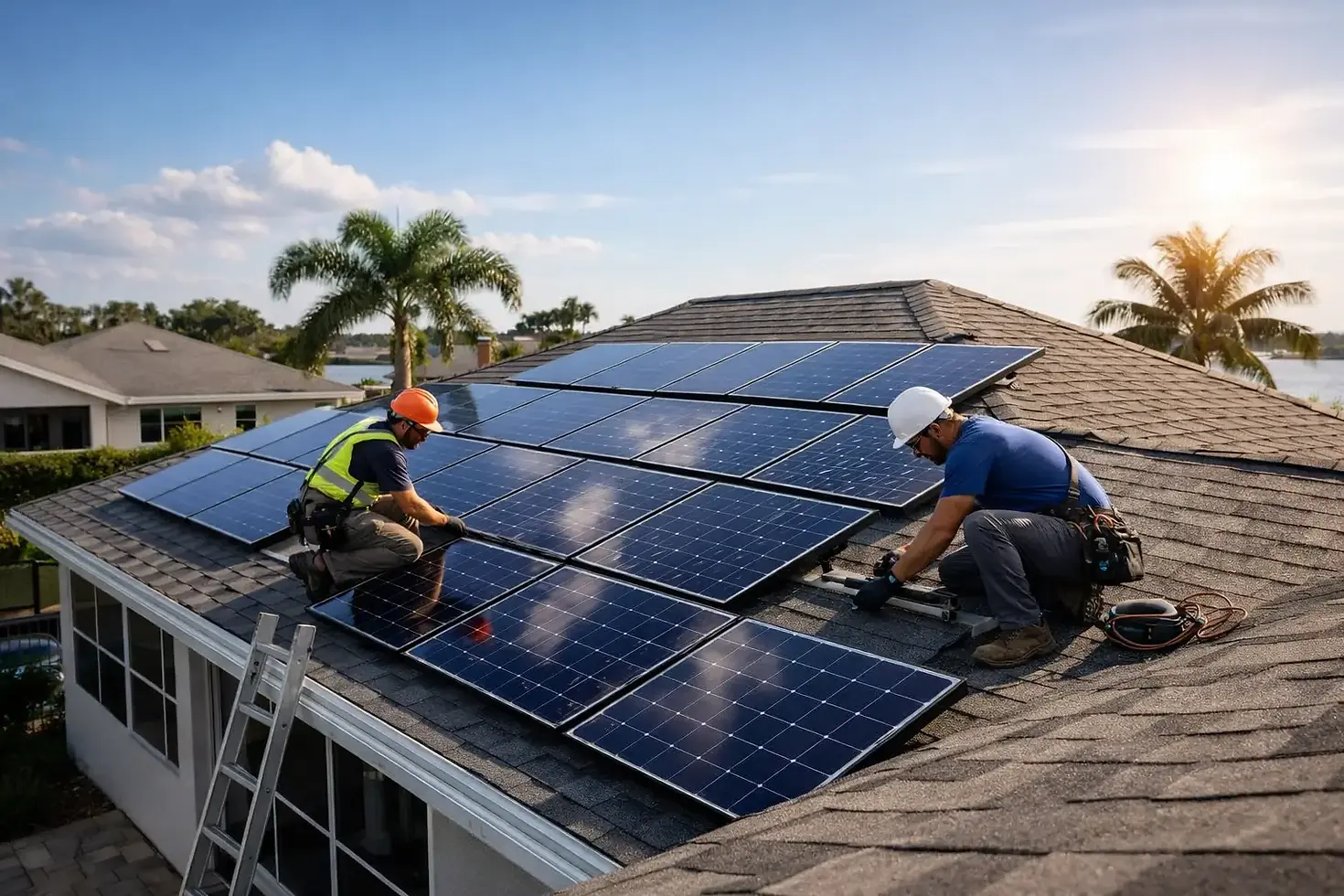
Solar Ready Roof Installation for Florida Homes
- ALVARO R
- Jul 29
- 6 min read

A new roof is one of the best times to think ahead about solar. A solar ready roof installation does not mean placing panels on every home immediately. It means replacing or designing your roof with the future in mind, so you are not forced to remove a newer roof, redo flashing, or work around preventable obstacles when you decide solar makes sense.
For South Florida homeowners, that planning has to start with protection. Your roof must stand up to intense sun, heavy rain, salt air near the coast, and hurricane-season wind conditions before it can support anything mounted above it. The right plan protects your home now while preserving practical options for later.
What Makes a Roof Solar Ready?
A solar-ready roof is a roof selected, installed, and documented with potential panel placement in mind. It begins with a sound roofing system that has enough useful life remaining to justify a solar investment. If a roof is already near the end of its service life, installing panels first can create an expensive problem later: the panels may need to be removed and reinstalled when the roof is replaced.
The concept also includes planning for usable roof area. Solar panels need relatively open, appropriately oriented space. Roof valleys, skylights, plumbing vents, attic fans, chimneys, dormers, and mechanical equipment can limit a layout. That does not automatically rule out solar. It simply means the final panel design may be smaller or require more careful placement.
In Florida, solar readiness should never be treated as a shortcut around roofing standards. The roof covering, underlayment, flashing, deck condition, and attachment approach all matter. A well-installed roof is the foundation of the project, not an afterthought beneath it.
Start With Roof Condition, Not Panel Count
Homeowners often begin by asking how many panels will fit. A better first question is whether the roof is ready for decades of dependable service. A roof replacement gives you a clear opportunity to address existing leaks, soft decking, damaged flashing, poor drainage, and aging materials before solar equipment is involved.
This matters especially on homes that have weathered repeated South Florida storms. A minor leak around an old penetration can become harder to diagnose once a solar array is installed overhead. Replacing compromised decking and correcting water-management details during the roofing project is far more straightforward than returning later to work around mounted equipment.
The ideal roof age for future solar depends on the material and its condition, but the principle is simple: avoid mounting a long-term system on a roof that will soon need replacement. A professional inspection can help determine whether repair, replacement, or a phased plan is the smarter move for your home.
Choose Roofing Materials With the Full System in Mind
Tile, shingle, metal, and flat roofing can all work with solar, but each calls for a different approach. The best choice depends on your home's architecture, budget, roof slope, drainage needs, exposure, and long-term maintenance expectations.
Shingle roofs
Architectural shingles are common across Palm Beach, Broward, Miami-Dade, Martin, and St. Lucie counties. They can be a practical choice when installed over a properly prepared deck with dependable underlayment and flashing details. Future solar attachments must be carefully integrated so penetrations are sealed correctly and water continues to shed as intended.
Tile roofs
Tile offers the polished look many South Florida homeowners want, but solar planning requires extra care. Tile can be more delicate to work around than shingles, and the mounting method must account for the profile and material of the tile. A contractor should not treat tile as a surface to simply drill through without a coordinated plan for weatherproofing and replacement tiles if needed.
Metal roofs
Some metal roof profiles can offer favorable options for solar mounting, particularly when the system can use approved attachment methods designed for that roof type. Still, not every metal roof is the same. Fastener locations, panel profiles, coating condition, and the roof manufacturer's requirements all deserve attention.
Flat and low-slope roofs
Flat roofing systems require a drainage-first mindset. Solar equipment may be mounted using engineered methods that account for wind and avoid compromising the waterproofing membrane. The layout must preserve access for maintenance and avoid creating areas where leaves, debris, or standing water become a recurring issue.
Plan the Layout Before Roof Work Begins
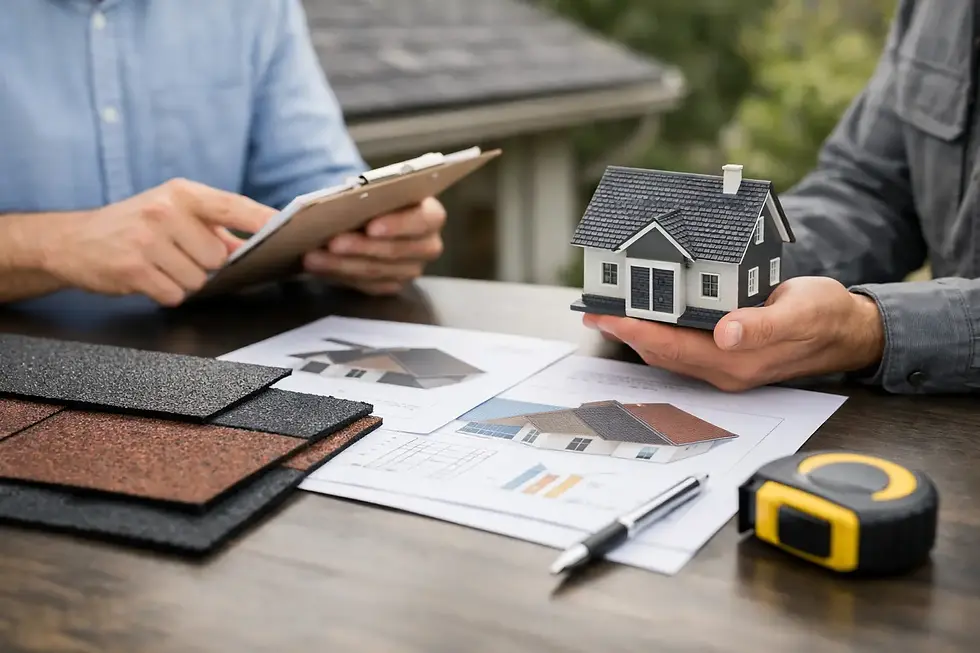
You do not need a final solar contract to make smart roofing decisions. However, early coordination can prevent surprises. If solar is likely in your future, tell your roofing contractor during the estimate and share any available information about your home's energy goals, electrical equipment, and roof areas you expect to use.
A preliminary layout can identify potential conflicts with vents, exhaust outlets, and other rooftop components. In some cases, it may be possible to place or consolidate certain components more thoughtfully during roof replacement, while still meeting code and ventilation requirements. This is not about moving items simply for appearance. Every roof penetration and ventilation detail has a purpose and must be handled correctly.
Access matters, too. Solar crews need safe routes to the roof and workable pathways around the array for service. Leave room for roof maintenance where appropriate. A layout that maximizes every inch of roof space may look efficient on paper but be less practical when future repairs or inspections are needed.
Wind Resistance and Waterproofing Cannot Be Compromised
South Florida homes face conditions that demand careful installation. Panel systems add wind exposure above the roof surface, and their mounting components must be designed and installed for the home, roof type, and local requirements. Engineering, permits, and inspections are part of protecting the property, not paperwork to rush through.
The roofing side of the work is equally critical. Every attachment point must be located and sealed according to the approved system and roof manufacturer's requirements. The right flashing approach depends on the roof material and mounting design. A generic solution can leave your roof vulnerable to water intrusion, especially after wind-driven rain.
This is why the lowest-effort plan is not always the lowest-risk plan. Avoid assuming that any contractor can add penetrations to a roof without understanding the existing roofing system. The roofing warranty, the solar equipment requirements, and the home's weather exposure need to work together.
Consider Shade, Heat, and Electrical Planning
Florida sunshine is valuable, but not every sunny-looking roof produces the same results. Mature palms, nearby trees, neighboring buildings, roof angles, and future construction can affect shade throughout the day. A solar professional can assess production potential, while your roofing contractor helps ensure the roof itself is prepared for the proposed configuration.
Heat is another practical consideration. Attic ventilation, insulation, and HVAC performance remain important whether or not you add panels. Solar may contribute to your energy strategy, but it does not replace the need for a properly functioning roof and home envelope. If your attic is excessively hot, your ducts are leaking, or your cooling system is underperforming, those issues deserve attention as part of a broader home-improvement plan.
You should also think about where electrical equipment may be located and how wiring could travel from the roof. The final electrical design belongs to qualified solar and electrical professionals, but knowing there may be a future pathway can help avoid awkward visual compromises or unnecessary changes later.
Questions to Ask During a Solar Ready Roof Installation
A productive roofing consultation should give you clear answers, not vague promises. Ask how the roof material and underlayment system will support long-term weather protection, whether the deck needs repair, and how future solar attachments could affect the roof covering.
Also ask about roof areas that should remain open, potential obstructions, drainage on flat or low-slope sections, and the documentation you should keep after the installation. Save photos, permits, material information, warranty documents, and records of any deck repairs. Those details can be valuable when a future solar team evaluates your property.
For homeowners replacing a roof after leaks or storm damage, the priority is restoring confidence in the home first. Solar readiness should support that goal, never distract from it. A strong roofing system can protect your investment, improve curb appeal, and give you a better platform for future upgrades.
Build the Roof You Will Still Trust Years From Now
A solar-ready approach is thoughtful planning, not pressure to make every upgrade at once. Some homes are ready for solar immediately. Others benefit from completing the roof replacement first, monitoring energy use, and making the solar decision later with a clean, dependable roof already in place.
At 1 OAK Home Improvement Inc., the focus is on helping South Florida homeowners make practical decisions for the home they have and the upgrades they may choose next. Schedule a professional roof evaluation, explain your future solar goals, and make sure your new roof is built to protect your home without creating unnecessary work down the road.


Comments