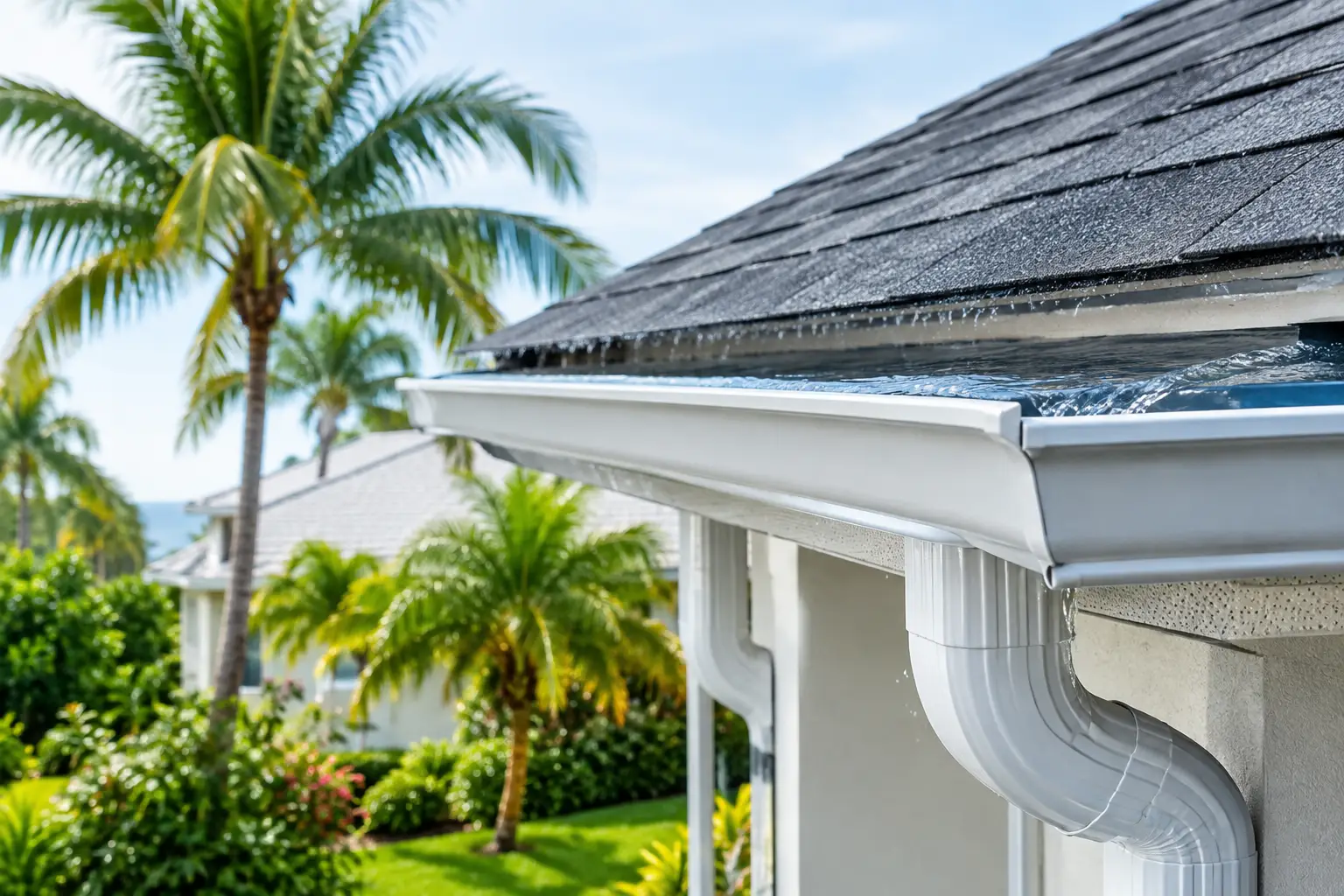
Can Roof Vents Leak? Causes and Repair Signs
A water stain near the center of a ceiling can be unsettling, especially when there is no obvious damage above it. Can roof vents leak? Yes. Any roof penetration can become a leak point when its flashing, sealant, fasteners, or surrounding roofing material fails. The good news is that a vent leak is often repairable when it is found early - before moisture reaches insulation, framing, or drywall.
For homeowners in Boynton Beach and throughout Palm Beach County, roof vent leaks deserve prompt attention. Wind-driven rain, strong sun, humidity, and seasonal storms can expose weak points that may not be noticeable during a light shower. A professional inspection identifies whether the vent is truly the source and whether a focused repair is enough or the surrounding roof needs attention as well.
Why Roof Vents Can Leak
Roof vents allow hot, humid air to escape from the attic. Proper ventilation helps control moisture and heat buildup, which supports the performance and life of the roofing system. But a vent has to pass through the roof covering, creating a detail that must be installed correctly and maintained over time.
Most roof vent leaks come from the protective materials around the vent, not from the vent opening itself. The metal or rubber flashing should direct water onto the roof surface and away from the penetration. If that flashing is bent, cracked, corroded, improperly layered, or no longer secured, water can work underneath it.
Age also matters. Sealants dry out under South Florida sun. Fasteners can back out. Shingles, tiles, or underlayment around a vent can shift or deteriorate. On tile roofs, cracked or displaced tiles near a vent may allow water beneath the surface, where it travels before appearing inside. That is why the visible ceiling stain is not always directly below the actual problem.
Wind-driven rain changes the equation
A roof may appear fine during a typical rainstorm but leak during heavy wind and rain. Water can be pushed sideways and upward into small gaps around a vent hood, flashing edge, or loose fastener. This is common after a tropical storm or a severe afternoon downpour.
A leak that appears only during certain weather conditions still needs repair. Intermittent moisture can quietly damage the roof deck and attic materials long before it becomes a constant drip.
Signs a Roof Vent May Be Leaking
The clearest sign is water entering the attic or living space after rain. You might see a brown ceiling stain, bubbling paint, damp drywall, or dripping near an upper-floor ceiling. In a single-story home, a stain may appear in a hallway, bathroom, closet, or any room below the attic.
Inside the attic, look for wet insulation, dark staining on roof sheathing, damp wood around the vent opening, or rust on nearby nails and metal components. A musty smell can also signal moisture that has been present for longer than expected.
Not every attic moisture issue is a roof leak. Condensation from poor ventilation, air leaks around bathroom exhaust ducts, or improperly vented appliances can create similar symptoms. This is why diagnosis matters. Repairing the wrong issue may leave the actual source untouched.
Common Roof Vent Leak Causes
A damaged vent cover is an obvious concern. Plastic vent hoods can become brittle, and metal vents can corrode or pull loose. Ridge vents can leak if sections are damaged or if the cap materials over them are not secured correctly.
More often, the concern is flashing. Flashing is the material installed around a roof penetration to move water away from it. On shingle roofs, a vent flashing should be layered with the shingles so water flows over the upper portion and around the sides. If it was installed on top of the shingles in the wrong places, water may get underneath.
On tile roofs, the work is more specialized. Tiles must be removed and reset properly, underlayment details must be sound, and the vent connection needs to work with the roof system rather than against it. A quick surface patch may stop water temporarily, but it may not address deteriorated underlayment beneath the tiles.
Other common causes include cracked sealant, exposed or missing fasteners, storm damage, and roof deck movement. A powered attic vent can also develop issues around its housing, electrical connection, or mounting. The right solution depends on the vent type, roof material, roof age, and condition of the surrounding area.
Can Roof Vents Leak When the Roof Looks Fine?
Yes. A roof can look acceptable from the ground while a vent detail is failing. Small gaps are difficult to see without getting on the roof, and water can travel along decking or framing before it reaches a ceiling. By the time a homeowner sees an interior stain, the moisture path may have been active for some time.
This is especially true for older roofs that have experienced repeated heat, rain, and wind cycles. It is also common after roof-mounted work, such as replacing an attic fan, installing a new vent, or performing nearby repairs. Any time a penetration is added or disturbed, the flashing and roofing materials need to be integrated carefully.
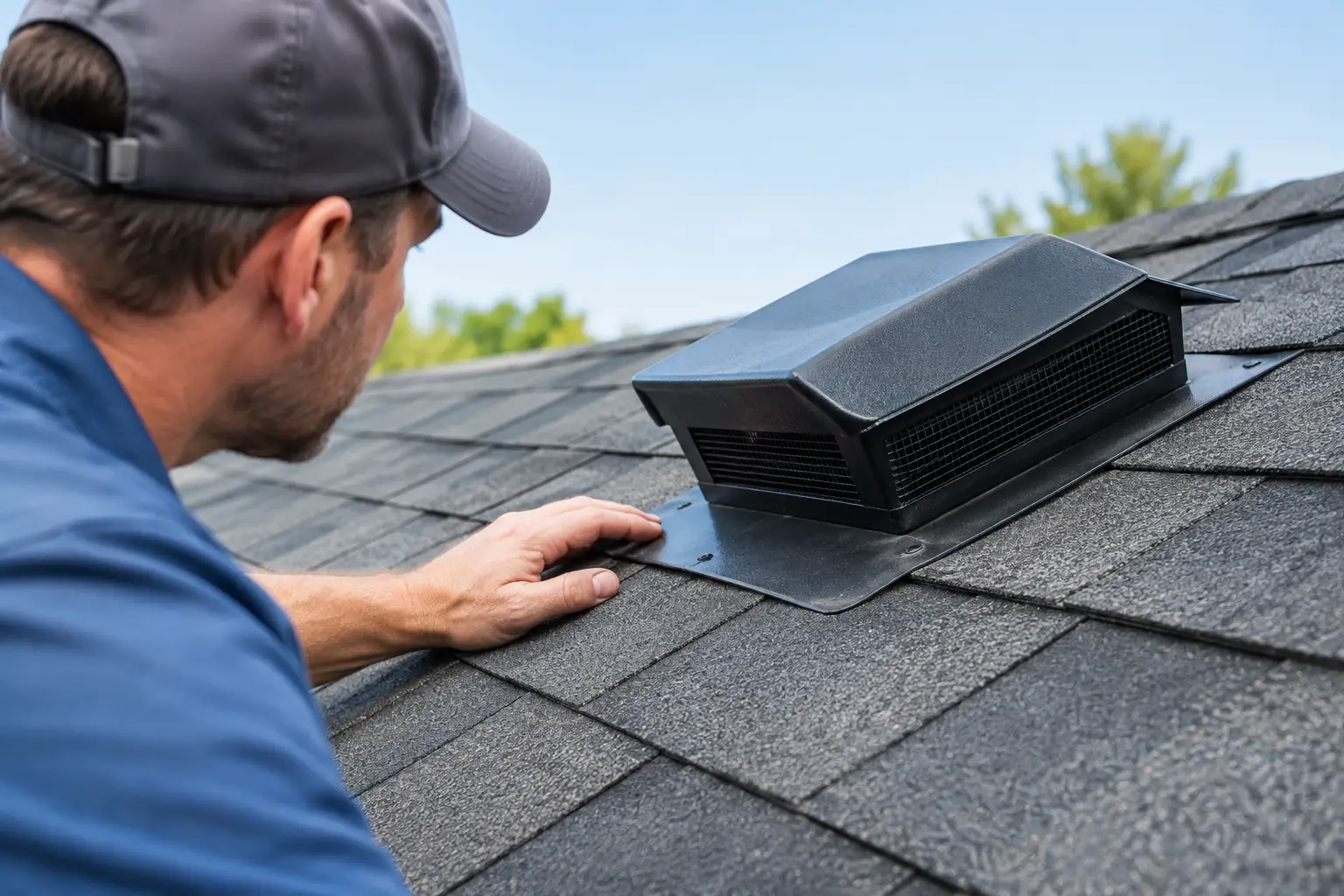
A professional inspection should examine the vent from both the roof and attic side when possible. The roofer can check the vent body, flashing, fasteners, sealant, roof covering, underlayment condition, and evidence of water tracking. That complete view helps avoid treating a symptom instead of the source.
What to Do When You Notice a Leak
Start by protecting the interior. Move furniture and valuables away from the affected area. If water is actively dripping from a bulging ceiling, use a container to catch it and contact a qualified roofing contractor promptly. Avoid climbing onto a wet roof or trying to apply sealant during a storm. It is unsafe, and it can make proper repairs more difficult later.
If you can safely access the attic, take note of where moisture appears and whether insulation is wet. Photos after the leak occurs can be useful, particularly if the issue only happens in certain storms. Do not compress wet insulation or assume it will dry completely on its own. Persistent moisture can lead to mold growth and reduced insulation performance.
A temporary tarp may be appropriate for significant active leaks or storm damage, but it is not a permanent repair. The permanent solution should restore the vent flashing and the surrounding roofing system so water sheds naturally.
Repair or Replace the Roof Vent?
Sometimes the repair is straightforward. A roofer may be able to replace a cracked vent hood, reset flashing, replace damaged shingles or tiles, and seal the necessary details. When the surrounding roof materials are in good condition, a targeted repair can provide lasting protection.
Replacement may make more sense when the vent is badly corroded, damaged by wind, outdated, or incompatible with the roof system. If there are multiple failing penetrations, widespread underlayment deterioration, or recurring leaks across an aging roof, the conversation may need to expand beyond one vent repair.
This is where homeowners benefit from a clear assessment rather than a guess. A trustworthy contractor should explain what caused the leak, show the affected area when possible, and recommend work that fits the condition of the roof. The goal is not simply to stop today's drip. It is to protect your home from the next storm as well.
Protecting Vents on South Florida Roofs
Routine roof inspections are a practical way to catch minor issues before they become interior damage. An inspection after a major storm is also wise, especially if you notice loose debris, missing tiles or shingles, a new ceiling stain, or water around attic insulation.
Keep tree limbs away from the roof where possible. Branches that scrape against vent covers or drop debris can damage roofing materials and block airflow. If you have bathroom or kitchen exhaust ducts running through the attic, confirm that they terminate correctly outdoors rather than releasing humid air near the roof structure.
For tile, shingle, metal, and flat roofs, the details around penetrations matter as much as the visible roof surface. Precision during installation and repair is what keeps water moving where it belongs - off the roof and away from your home.
If you suspect a vent leak in Boynton Beach or Palm Beach County, 1 OAK Home Improvement Inc. can inspect the area and provide a clear recommendation for repair or replacement. Your home is a major investment, and a small stain is worth investigating before the next heavy rain turns it into a larger repair.